Contents:
- Understanding Wisteria: Species, Varieties, and What to Expect
- Chinese Wisteria (Wisteria sinensis)
- Japanese Wisteria (Wisteria floribunda)
- American Wisteria (Wisteria frutescens) and Kentucky Wisteria (Wisteria macrostachya)
- Wisteria Growing Guide: Site Selection and Soil Preparation
- Sunlight Requirements
- Soil Conditions
- Structural Support
- Planting Wisteria: Timing, Spacing, and Technique
- Bare-Root vs. Container-Grown vs. Grafted
- Planting Steps
- Spacing
- Training Wisteria: Building the Framework
- The First Three Years: Establishing the Main Framework
- Training Styles
- Pruning Wisteria: The Two-Cut System
- Summer Pruning (July to August)
- Winter Pruning (January to February)
- Renovation Pruning for Neglected Plants
- Getting Wisteria to Bloom: Solving the Most Common Problem
- Age and Maturity
- Insufficient Sunlight
- Excess Nitrogen
- Root Restriction
- Seasonal Timeline: Wisteria Through the Calendar Year
- Watering and Fertilizing Wisteria
- Watering
- Fertilizing
- Common Pests and Diseases
- Aphids
- Scale Insects
- Crown Gall
- Leaf Spot Diseases
- Common Mistakes to Avoid
- Wisteria in the Landscape: Design Considerations
- As a Specimen Tree
- On Fences and Walls
- Companion Planting
- Wisteria Toxicity: A Critical Safety Note
- Frequently Asked Questions
- How long does it take for wisteria to bloom?
- Why is my wisteria not flowering?
- When is the best time to prune wisteria?
- Is wisteria invasive in the United States?
- Can wisteria grow in containers?
- Planning Your Wisteria Planting
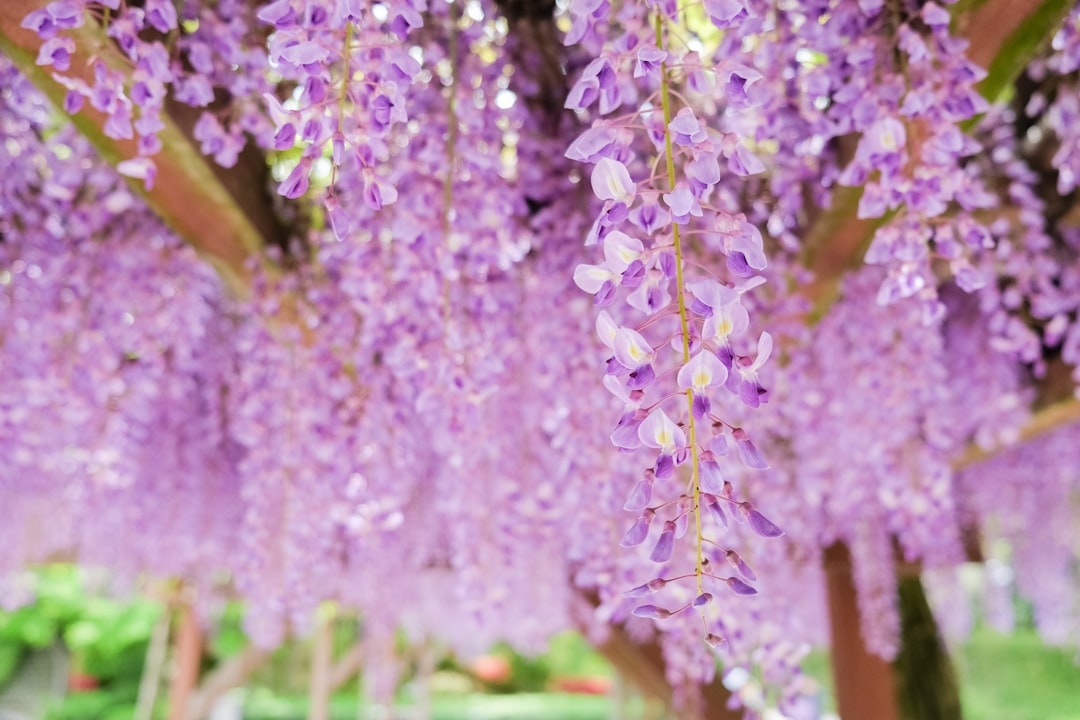
In 1839, the botanist Thomas Nuttall formally described Wisteria sinensis after specimens arrived in Philadelphia from China — yet gardeners across Asia had been cultivating this vine for centuries before Western science caught up. Ancient Japanese paintings depict wisteria cascading over garden bridges, its lavender clusters reflected in still ponds below. That same image now graces suburban pergolas from Oregon to Georgia, making wisteria one of the most sought-after flowering vines in American horticulture. This wisteria growing guide covers everything you need to know to plant, train, and maintain one of the most spectacular — and occasionally demanding — plants in the temperate garden.
Understanding Wisteria: Species, Varieties, and What to Expect
Wisteria belongs to the legume family (Fabaceae) and encompasses roughly ten species, but three dominate the American garden market. Each has a distinct personality, and choosing the right one is the first decision that will shape your experience.
Chinese Wisteria (Wisteria sinensis)
Wisteria sinensis is the most vigorous and arguably the most theatrical of the three. Its flower clusters — called racemes — can reach 12 inches long and bloom before or alongside the emerging leaves in spring. This species twines counterclockwise and can grow 10 feet or more in a single season under ideal conditions. Its power is not decorative hyperbole: left unmanaged, it has been documented lifting roof tiles and cracking mortar. USDA hardiness zones 5–8.
Japanese Wisteria (Wisteria floribunda)
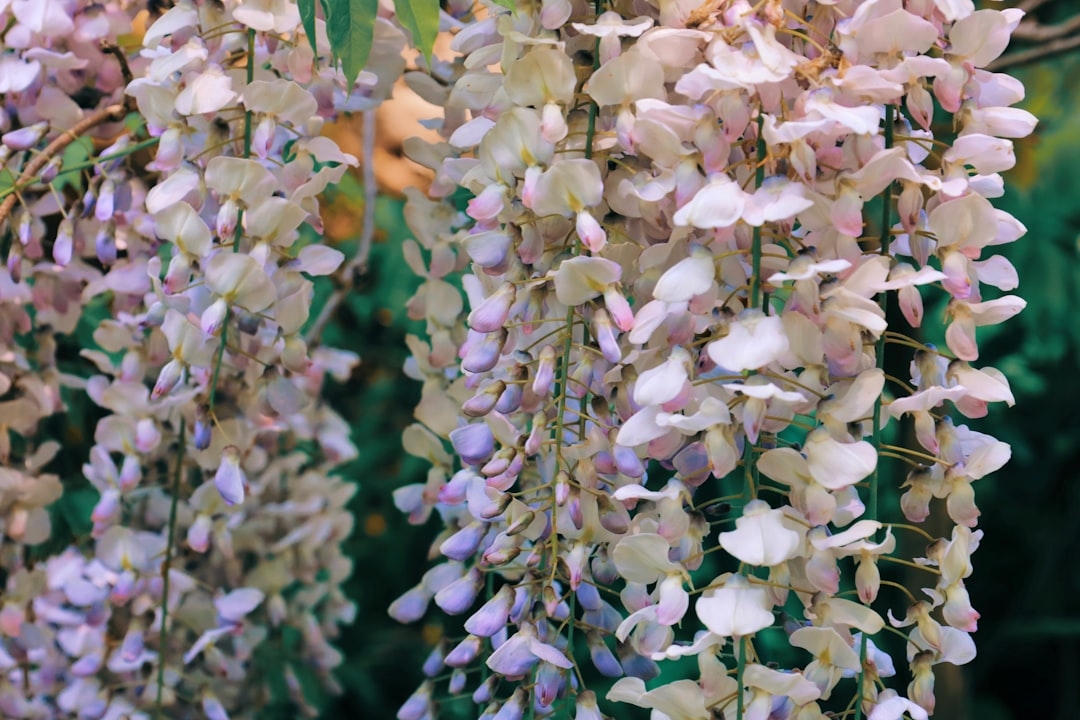
Japanese wisteria produces the longest racemes of any species — cultivars like ‘Macrobotrys’ have been recorded at 36 to 48 inches — and blooms slightly later than its Chinese counterpart, with flowers opening progressively from the base of the cluster toward the tip. It twines clockwise. Zones 4–9, making it the better cold-climate choice. Fragrance is typically stronger than Chinese wisteria, carrying a sweet, grape-like scent detectable from 20 feet away on warm mornings.
American Wisteria (Wisteria frutescens) and Kentucky Wisteria (Wisteria macrostachya)
Native to the eastern United States, these two species are the responsible choices for gardeners concerned about invasiveness. Their racemes are shorter — 4 to 6 inches — and the plants grow at a fraction of the pace of Asian species. But modern cultivars like ‘Amethyst Falls’ (W. frutescens) and ‘Blue Moon’ (W. macrostachya) deliver reliable, repeat bloom and survive to Zone 3. ‘Blue Moon’ in particular has been documented blooming three times per season in Minnesota trial gardens, a feat no Asian species reliably matches.
Before purchasing, check your state’s invasive species list. Chinese and Japanese wisteria are listed as invasive in at least 19 states, including much of the Southeast. In those areas, native species are the botanically and ecologically sound selection.
Wisteria Growing Guide: Site Selection and Soil Preparation
Where you plant wisteria determines more about its success than almost any other decision. Get the site right and the plant rewards you with decades of bloom. Get it wrong and you spend years fighting a losing battle.
Sunlight Requirements
Wisteria demands full sun — a minimum of 6 hours of direct sunlight per day, with 8 hours producing the most prolific flowering. Partial shade will produce a healthy vine with attractive foliage, but bloom production drops sharply. A plant receiving only 4 hours of sun may not flower at all during its first several years.
Soil Conditions
Well-drained soil with a pH between 6.0 and 7.0 is ideal. Wisteria tolerates a range of soil types — sandy, loamy, even moderately clay-heavy — provided drainage is adequate. Waterlogged roots trigger leaf yellowing and root rot within a single season. Unlike many flowering plants, wisteria does not require rich soil. Because it fixes atmospheric nitrogen through root nodules (a legume trait), planting in heavily fertilized or organically amended beds often produces lush, dark green foliage at the expense of flowers.
Structural Support
Plan the support structure before you plant, not after. A mature Chinese or Japanese wisteria can weigh several hundred pounds. Standard residential trellises rated for 50–100 lbs are inadequate. Use 4×4 cedar or pressure-treated lumber posts set at least 2 feet into the ground, or steel pipe at least 1.5 inches in diameter. Spacing between support points should not exceed 8 feet. Pergolas made from 6×6 lumber with reinforced cross-beams are the gold standard. Wrought iron or powder-coated steel garden structures work well for smaller native species.
Planting Wisteria: Timing, Spacing, and Technique
Wisteria sold in US nurseries typically comes in one of three forms: bare-root, container-grown, or grafted. Each has implications for establishment time and first bloom.
Bare-Root vs. Container-Grown vs. Grafted
Bare-root plants are less expensive — often $15 to $30 compared to $35 to $75 for container plants — but require planting during dormancy (late winter to early spring) and take longer to establish. Container-grown plants can go in the ground from spring through early fall and begin growing immediately. Grafted plants, identifiable by a visible graft union near the base, typically bloom in 3 to 5 years versus 7 to 15 years for seed-grown specimens. When purchasing wisteria, always confirm the plant is grafted or vegetatively propagated if earlier bloom is a priority.
Planting Steps
- Dig a hole twice as wide as the root ball and equal in depth.
- Amend the backfill only if soil pH is outside the 6.0–7.0 range. Otherwise, use native soil to avoid creating a “luxury container” effect that discourages deep rooting.
- Set the graft union 2 to 3 inches above soil level to prevent rootstock from taking over.
- Water thoroughly at planting — approximately 2 gallons per square foot of root area.
- Mulch with 2 to 3 inches of wood chips or shredded bark, keeping mulch 4 inches clear of the main stem.
Spacing
For a single pergola covering approximately 10 by 12 feet, one plant is sufficient. For a long fence or wall, space plants 10 to 15 feet apart. Crowding wisteria does not accelerate coverage — it creates competition that suppresses bloom.
Training Wisteria: Building the Framework
Training is where most gardeners either succeed brilliantly or give up entirely. Wisteria trained with intention becomes a structured, breathtaking focal point. Wisteria abandoned to its own devices becomes a landscape emergency.
The First Three Years: Establishing the Main Framework
During the first growing season, select one to three strong main stems and tie them loosely to the support structure using soft garden twine or silicone plant ties. Remove all other shoots at the base. These main stems — called leaders — are the permanent skeleton of the plant. Train them in the direction you want permanent coverage: horizontally along a fence, up and over a pergola, or spiraling up a post.
In the second year, allow lateral shoots to extend from the leaders, but pinch them back to five or six leaves in summer. This diverts energy into the development of short, stubby flowering spurs rather than rampant vegetative growth. By the end of year three, the basic framework should be in place, with a clear distinction between permanent structural wood and the shorter side shoots that will eventually produce flower buds.
Training Styles
Standard (tree form): Wisteria trained as a freestanding standard is one of the most elegant forms. A single stem is staked vertically to 4–6 feet, then the top is pinched to encourage a branching crown. This requires consistent pruning twice per year for the first several years but produces a specimen that fits even smaller gardens. Prices for pre-trained standards at US nurseries typically range from $80 to $200.
Espalier: Flat against a south- or west-facing masonry wall, wisteria can be trained in a formal fan or horizontal cordon pattern. The heat absorbed by the wall extends the bloom season and intensifies fragrance.
Pergola coverage: The most common American application. Leaders are trained up the posts and over the top, then laterals are allowed to hang downward, creating the iconic curtain of bloom.
Pruning Wisteria: The Two-Cut System
Wisteria requires pruning twice per year. This is not optional maintenance — it is the mechanism that converts a vigorous woody vine into a flowering plant. Without it, energy goes entirely into vegetative growth.
Summer Pruning (July to August)
In midsummer, cut all new whippy shoots back to five or six leaves from where they emerge from established wood. Do not be timid. These shoots may be 3 to 6 feet long by July — cut them back hard. This summer cut serves two purposes: it controls the overall size and it initiates the formation of flower buds on the shortened stumps.
Winter Pruning (January to February)
During dormancy, return to those same summer-pruned shoots and cut them back again, this time to two or three buds. You will see two types of buds on the shortened stumps: flat, pointed growth buds and rounder, fatter flower buds. Preserve the flower buds. After winter pruning, each spur should have just two or three buds remaining. This is the cut that directly determines how many flowers you see in spring.
Renovation Pruning for Neglected Plants
A wisteria that has not been pruned for several years can be brought back. In late winter, cut all growth back hard — removing up to one-third of the total mass. Repeat the following winter if needed. It may take two to three seasons to fully restore a neglected plant to a blooming specimen, but recovery is reliable in most cases.
Getting Wisteria to Bloom: Solving the Most Common Problem
A non-blooming wisteria is the single most common complaint among American gardeners, and it almost always has an identifiable cause.
Age and Maturity
Seed-grown plants may not bloom for 10 to 15 years. Grafted or vegetatively propagated plants typically bloom within 3 to 5 years. If your plant is younger than this and not blooming, patience is genuinely the answer.
Insufficient Sunlight
Trees that were saplings when wisteria was planted sometimes grow to shade it over time. Reassess light levels annually. If the plant now receives fewer than 6 hours of direct sun, selective removal of nearby branches may be necessary.
Excess Nitrogen
Over-fertilization — particularly with nitrogen — is the most common cultural cause of bloom failure. If you have been applying a general-purpose fertilizer near your wisteria, stop. If you want to fertilize at all, use a low-nitrogen, high-phosphorus fertilizer (look for an N-P-K ratio like 0-10-10 or 5-10-10) applied once in early spring.
Root Restriction
Counterintuitively, mildly stressing the roots can trigger flowering. Some gardeners use a spade to sever roots in a rough circle 18 to 24 inches from the main trunk in late summer. This is an old technique — described in British horticultural manuals dating to the Victorian era — that interrupts vegetative growth signals and prompts reproductive effort. Use it as a last resort after addressing light and fertilization first.
Seasonal Timeline: Wisteria Through the Calendar Year
Understanding what wisteria does in each season makes maintenance intuitive rather than reactive.
- January–February: Perform winter pruning. Cut summer-pruned spurs back to two or three buds. Check support structures for winter damage. This is the best time to see the plant’s framework clearly.
- March–April: Flower buds swell. In Zones 6–8, bloom typically occurs in April. In Zone 5, expect late April to mid-May. In Zone 9, bloom may arrive as early as mid-March. Avoid heavy feeding during active bloom.
- May: Foliage emerges fully after flowering. New vegetative shoots begin rapid extension. In warm years, a light second flush of bloom may appear on native species in late May.
- June–August: Peak vegetative growth. Perform summer pruning in July or early August — cut all new whippy growth back to five or six leaves. Tie in any structural shoots being added to the framework.
- September–October: Growth slows. Seed pods (long, velvety, resembling bean pods) mature on Asian species. Remove them if desired — they do not affect next year’s bloom, but they add weight to the structure.
- November–December: Full dormancy. A good time to assess structure, replace worn ties, and plan any framework changes before winter pruning begins again in January.
Watering and Fertilizing Wisteria
Watering
Established wisteria (3 or more years in the ground) is remarkably drought-tolerant. During its first two growing seasons, however, consistent moisture is critical. Water deeply once per week during dry spells, providing approximately 1 inch of water per session. A soaker hose laid at the drip line is more effective than overhead watering, which can promote fungal issues on foliage.
In the arid Southwest (Zones 9–10), even established plants may require supplemental irrigation in July and August. Watch for leaf edge scorch — a sign of heat and water stress — as your indicator.
Fertilizing
Less is more. The most productive wisteria plants in American gardens receive little to no supplemental fertilizer. If your plant shows pale foliage indicating genuine nutrient deficiency, a single application of 5-10-10 granular fertilizer in early spring at a rate of 1 cup per 10 square feet of root zone is adequate. Never apply fertilizer after July — late-season nitrogen pushes tender growth that suffers frost damage.
Common Pests and Diseases
Wisteria is notably resistant to serious pest and disease pressure, particularly compared to other ornamental flowering plants. A few issues warrant attention.
Aphids
Aphid colonies on new growth tips are the most frequent complaint. They rarely cause lasting harm to a vigorous plant. A strong spray of water dislodges most colonies. Insecticidal soap at a 2% solution (roughly 2.5 tablespoons per quart of water) controls persistent infestations without harming beneficial insects substantially.
Scale Insects
Soft scale and armored scale can establish on older woody stems. A dormant oil application in late winter — before buds break — at a rate of 2 to 3% solution smothers overwintering populations effectively.
Crown Gall
Caused by the soil bacterium Agrobacterium tumefaciens, crown gall produces rough, warty growths at the soil line. There is no chemical cure. Remove and destroy infected plants; do not replant wisteria in the same location for at least three years.
Leaf Spot Diseases
Various fungal leaf spots appear in humid summers but rarely compromise plant health. Improving air circulation through pruning and avoiding overhead irrigation prevents most issues. No fungicide treatment is typically necessary.
Common Mistakes to Avoid
- Planting too close to the house foundation. Roots and stems are powerful enough to infiltrate mortar, gutters, and siding. Maintain at least 8 to 10 feet of clearance from any building structure.
- Pruning only once per year. Single annual pruning is not equivalent to the two-cut system. Summer pruning sets up flower bud formation; skipping it means sacrificing the following spring’s bloom.
- Buying seed-grown plants to save money. The cost difference between a $20 seed-grown plant and a $50 grafted plant is negligible compared to the difference between waiting 15 years for blooms versus 3 to 5.
- Using wire ties that cut into stems. As stems thicken, rigid ties girdle and kill them. Use soft silicone plant ties, cloth strips, or jute twine, and check ties each spring.
- Planting Asian species in invasive-listed states without containment strategy. Even in states where they are not listed, Chinese and Japanese wisteria self-seed readily. Remove seed pods before they mature, or choose a native species from the outset.
- Assuming a healthy, leafy plant is about to bloom. Luxuriant foliage is often the opposite of bloom readiness. A slightly stressed, root-bound, low-nitrogen plant in full sun is a better bloomer than a pampered one.
Wisteria in the Landscape: Design Considerations
Beyond the pergola, wisteria has several underutilized applications in American garden design.
As a Specimen Tree
A standard-trained wisteria in a mixed border creates a focal point with four-season interest — winter silhouette, spring bloom, summer foliage, autumn seed pods. Underplant with spring bulbs to extend the seasonal display at ground level.
On Fences and Walls
Wisteria on a south-facing masonry wall absorbs and radiates heat, extending bloom season by up to two weeks in marginal climate zones. A 6-foot privacy fence can be transformed into a 30-foot corridor of bloom in 5 to 7 years with consistent training.
Companion Planting
Because wisteria blooms before most perennials reach full size, pair it with late-emerging companions that fill the space below: hostas, astilbe, and ornamental grasses work well. Avoid planting shallow-rooted annuals directly beneath, as the dense canopy and competitive roots make that space inhospitable.
Wisteria Toxicity: A Critical Safety Note
All parts of wisteria — seeds, pods, bark, and flowers — are toxic to humans, dogs, cats, and horses. The primary toxic compounds are wisterin (a glycoside) and lectins. Ingestion of even a few seed pods can cause vomiting, diarrhea, and in larger quantities, serious gastrointestinal distress. Keep this in mind when siting the plant near areas frequented by children or pets. The ASPCA lists wisteria as toxic to dogs and cats; the American Association of Poison Control Centers receives hundreds of wisteria-related calls each year, predominantly involving children attracted to the ornamental seed pods.
Frequently Asked Questions
How long does it take for wisteria to bloom?
Grafted or vegetatively propagated wisteria typically blooms within 3 to 5 years of planting. Seed-grown plants may take 10 to 15 years. Always confirm propagation method at purchase. Native cultivars like ‘Blue Moon’ and ‘Amethyst Falls’ are known for faster blooming.
Why is my wisteria not flowering?
The four most common causes are: insufficient sunlight (fewer than 6 hours per day), excess nitrogen from fertilizer or nearby lawn applications, a plant grown from seed, or inadequate pruning. Address these in order. Cutting back to only twice-yearly pruning using the two-cut summer and winter system often resolves bloom failure within one to two seasons.
When is the best time to prune wisteria?
Prune twice per year. First in summer (July to August), cutting new shoots back to five or six leaves. Second in winter (January to February), cutting those same shoots back further to two or three buds. Both cuts are necessary for reliable bloom.
Is wisteria invasive in the United States?
Chinese wisteria (Wisteria sinensis) and Japanese wisteria (Wisteria floribunda) are listed as invasive in at least 19 US states, primarily in the Southeast and Mid-Atlantic regions. American wisteria (Wisteria frutescens) and Kentucky wisteria (Wisteria macrostachya) are native species and are not invasive. Check your state’s invasive species registry before planting Asian species.
Can wisteria grow in containers?
Yes, with significant caveats. Use a container no smaller than 25 gallons for Asian species, 15 gallons for native species. Container-grown wisteria requires more frequent watering, annual root pruning to prevent pot-binding, and a very sturdy support. It will likely need repotting or root division every three to four years. Bloom performance is generally more consistent in-ground, but container culture is viable for gardeners with limited space or in climates at the edge of hardiness.
Planning Your Wisteria Planting
The best time to plant wisteria is this season — whichever season you are reading this. Container plants go in successfully from early spring through early fall; bare-root plants in late winter. The second-best time is next year, with a grafted specimen from a reputable nursery already on order.
Choose your species based on your state’s invasive species status first, your climate zone second, and aesthetics third. Build or reinforce your support structure before the plant arrives. Commit to the twice-yearly pruning schedule from year one, even when the plant is small enough to make it feel unnecessary — the habit built early pays dividends in year four when the first racemes unfurl.
A wisteria planted thoughtfully and maintained consistently is not a difficult plant. It is a long-term investment in spring spectacle that, once established, will outlast the gardener who planted it. The oldest documented wisteria in the United States — planted in Sierra Madre, California in 1894 — now covers over an acre and produces an estimated 1.5 million blooms each spring. That plant started as a single cutting. Yours can too.