Contents:
- Hybrid Tea Roses: The Classic Garden Show-Stoppers
- Floribunda Roses: More Blooms, Less Fuss
- Climbing Roses: Vertical Drama for Fences, Arbors, and Walls
- Shrub Roses: Tough, Beautiful, and Lower Maintenance
- English Roses (David Austin): Old-Fashioned Looks, Modern Toughness
- Miniature and Patio Roses: Big Impact in Small Spaces
- Old Garden Roses: Pre-1867 Heritage Varieties
- Species and Wild Roses: The Foundation of All Roses
- Groundcover and Landscape Roses: Low-Growing, High-Impact
- Roses vs. Knockout Roses: Clearing Up the Confusion
- Common Mistakes to Avoid
- Quick Comparison: Types of Roses at a Glance
- How to Choose the Right Rose for Your Garden
- Start with One, Then Expand Your types of roses guide Knowledge
- Frequently Asked Questions About Rose Varieties
- What is the easiest type of rose to grow for beginners?
- What is the most fragrant rose variety?
- How many types of roses are there?
- Do all roses need full sun?
- What is the difference between a shrub rose and a bush rose?
You’ve stood in a nursery, stared at a wall of rose tags, and felt completely overwhelmed. Hybrid teas, climbers, shrub roses, miniatures — the labels blur together and none of them tell you what you actually need to know: will this rose thrive in my yard, and is it worth the effort? This types of roses guide cuts through the confusion. Below, you’ll find 50 distinct rose varieties organized by class, each with real growing details — sun requirements, mature size, USDA hardiness zones, and the care habits that actually make a difference.
Hybrid Tea Roses: The Classic Garden Show-Stoppers
Hybrid teas are what most Americans picture when they think “rose” — long stems, high-centered blooms, one flower per stem. They bloom repeatedly from late spring through fall and dominate the cut-flower market. Most thrive in Zones 5–9 and need at least 6 hours of direct sun daily.
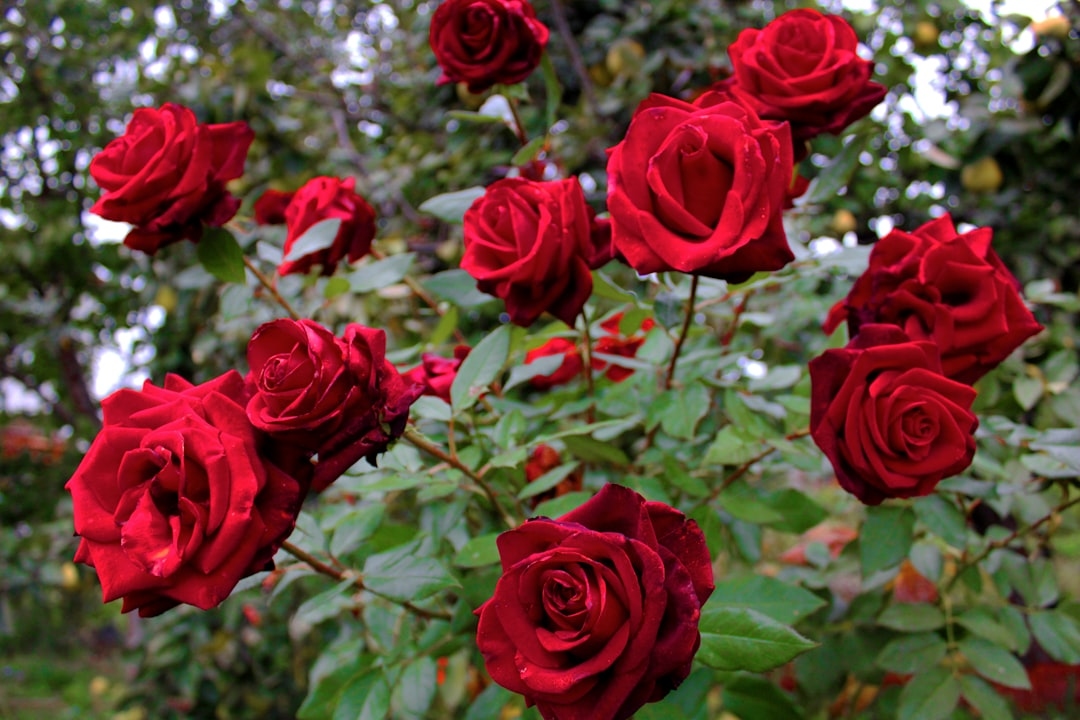
- Mr. Lincoln (Deep Red Hybrid Tea) — Introduced in 1964 and still one of the best-selling roses in the US. Grows 5–6 feet tall with intensely fragrant, velvety crimson blooms up to 5 inches across. Plant in full sun, space 3 feet apart, and fertilize every 4–6 weeks during the growing season. Zones 5–9.
- Peace (Yellow-Pink Hybrid Tea) — One of the most famous roses ever bred, introduced in 1945. Creamy yellow petals edged in pink, lightly fragrant, and extremely vigorous. Reaches 5–6 feet. Moderately disease-resistant. Zones 5–9.
- Double Delight (Red and Cream Hybrid Tea) — An All-America Rose Selection winner. Blooms open creamy white with a bright red edge that deepens with sun exposure. Strong spicy fragrance. Grows 3.5–5 feet. Susceptible to black spot in humid climates — give it good air circulation. Zones 5–9.
- Mister Lincoln’s cousin: Ingrid Bergman (Dark Red Hybrid Tea) — A Danish-bred rose with exceptional disease resistance and long-lasting blooms. Deep red, velvety petals, mild fragrance. Grows 3–4 feet. Excellent for cut flowers; blooms hold well in a vase for 7–10 days. Zones 5–9.
- Chicago Peace (Multicolor Hybrid Tea) — A sport of Peace with deeper pink-and-yellow coloring. Glossy foliage, lightly fragrant, grows 5–6 feet. Better disease resistance than its parent. Zones 5–9.
- Midas Touch (Golden Hybrid Tea) — Bright, unfading golden-yellow blooms with a mild tea fragrance. Compact at 3.5–4.5 feet. AARS winner in 1994. Disease-resistant foliage. Zones 5–9.
- Pristine (Ivory-Pink Hybrid Tea) — Large, elegant blooms in blush-white with soft pink edges. Grows 4–5 feet, very upright habit. Mild fruity fragrance. Excellent cut flower. Zones 5–9.
- Queen Elizabeth (Pink Grandiflora) — Technically a grandiflora but often grouped with hybrid teas. Clusters of clear pink blooms on long stems. Vigorous, disease-resistant, and winter-hardy. Can reach 6–8 feet. Zones 4–9.
Floribunda Roses: More Blooms, Less Fuss
Floribundas produce clusters of smaller blooms rather than single large flowers. They tend to be more disease-resistant than hybrid teas and bloom more continuously — some varieties push out new flowers every 4–6 weeks. Most stay between 3 and 5 feet tall, making them ideal for borders and smaller yards.
- Iceberg (White Floribunda) — Arguably the most popular floribunda worldwide. Pure white clusters, light honey fragrance, extremely vigorous. Grows 3–5 feet as a bush or up to 15 feet as a climber. Outstanding disease resistance. Zones 4–9.
- Sunsprite (Yellow Floribunda) — Deep butter-yellow blooms with a strong licorice-rose fragrance — one of the best-scented floribundas available. Compact at 2.5–3 feet. Disease-resistant. Zones 4–9.
- Betty Boop (Red and Ivory Floribunda) — AARS winner in 1999. Ivory petals edged in bold red, fruity fragrance, semi-double blooms. Grows 3–4 feet. Strong repeat bloomer. Zones 5–9.
- Julia Child (Butter Yellow Floribunda) — Named with good reason — it smells like warm licorice and old-fashioned roses. Rich golden-yellow blooms in clusters. Grows 3–4 feet. Excellent disease resistance. Zones 5–9.
- Sexy Rexy (Hot Pink Floribunda) — Prolific bloomer with tightly packed camellia-like flowers. Medium pink, mildly scented. Grows 3–4 feet. One of the most consistent performers in humid US climates. Zones 5–9.
- Nearly Wild (Pink Floribunda) — Single-petaled, 5-petal blooms in clear pink with a white eye. Extremely hardy, grows 2–3 feet. Looks like a wild rose but blooms all season. Zones 4–9.
- Cherish (Coral-Pink Floribunda) — Soft coral-pink blooms with a light fragrance. Compact at 3–3.5 feet. Good disease resistance and attractive glossy foliage year-round. Zones 5–9.
Climbing Roses: Vertical Drama for Fences, Arbors, and Walls
Climbing roses don’t actually climb on their own — they need to be tied to a structure. But give them a sturdy trellis or pergola and they’ll repay you with spectacular floral cascades. Most climbers need a support rated for at least 15–20 lbs of mature plant weight.
- New Dawn (Pale Pink Climber) — The first patented plant in the US (1930) and still one of the best climbers ever bred. Soft shell-pink, apple-scented blooms. Grows 15–20 feet. Disease-resistant, tolerates partial shade. Zones 4–9.
- Climbing Iceberg (White Climber) — The climbing sport of the famous floribunda. Reaches 10–15 feet with the same disease resistance and continuous white blooms. Perfect for covering an arbor. Zones 5–9.
- Don Juan (Deep Red Climber) — Rich velvety-red blooms with an intense fragrance — one of the strongest-scented climbers available. Grows 8–12 feet. Needs full sun and good air circulation. Zones 6–9.
- Fourth of July (Red-and-White Striped Climber) — AARS winner 1999. Semi-double blooms striped in red and white, apple fragrance. Vigorous, disease-resistant, reaches 10–14 feet. Zones 5–9.
- Blaze (Scarlet Climber) — A classic American garden rose since 1932. Clusters of bright scarlet semi-double blooms. Grows 12–15 feet. Blooms most heavily in spring with some repeat. Zones 4–9.
- Climbing Mr. Lincoln (Deep Red Climber) — All the intense fragrance of the bush form, stretched to 10–14 feet. Needs deadheading for repeat bloom. Zones 5–9.
Shrub Roses: Tough, Beautiful, and Lower Maintenance
Shrub roses are a broad class that includes modern bred varieties and species-adjacent types. Many are significantly more cold-hardy and disease-resistant than hybrid teas. The Knock Out series transformed American home gardens when it launched in 2000 — sales have exceeded 100 million plants in the US alone.
- Knock Out (Cherry Red Shrub) — Disease-resistant, self-cleaning (no deadheading needed), repeat-blooming from spring to frost. Grows 3–4 feet. The bestselling rose in US retail history. Zones 4–9.
- Double Knock Out (Rose-Red Shrub) — More petals than the original, same toughness. Grows 3–4 feet. Excellent for mass plantings and foundation beds. Zones 4–9.
- Rainbow Knock Out (Coral-Yellow Blend Shrub) — Coral-pink petals with a yellow center — unusually vibrant for a low-maintenance shrub. Grows 3–4 feet. Zones 4–9.
- Carefree Beauty (Pink Shrub) — Bred by Dr. Griffith Buck at Iowa State University specifically for cold climates. Semi-double warm pink blooms, orange hips in fall. Grows 4–6 feet. Zones 4–9.
- Carefree Wonder (Pink-and-Cream Shrub) — AARS winner. Bright pink blooms with a cream reverse. Grows 3.5–4.5 feet. Disease-resistant and extremely cold-hardy. Zones 4–9.
- Bonica (Soft Pink Shrub) — The first shrub rose to win the AARS award (1987). Clusters of small soft-pink blooms, arching habit. Grows 3–5 feet wide. Exceptionally disease-resistant. Zones 4–9.
- Olivia Rose (Pink Shrub) — A David Austin English rose with the disease resistance of a shrub. Cupped blooms in warm pink. Grows 3–4 feet. One of the most popular Austin introductions for US gardeners. Zones 5–9.
English Roses (David Austin): Old-Fashioned Looks, Modern Toughness
David Austin Roses, bred in England since the 1960s, combine the cupped, quartered bloom shape of old garden roses with the repeat-blooming habit of modern roses. They range from $20–$35 per bare-root plant in the US. Most need 6+ hours of sun and perform best when fertilized monthly May through August.
- Graham Thomas (Deep Yellow English Rose) — The rose that proved English roses could be yellow. Rich butter-yellow, tea-rose fragrance. Grows 4–6 feet as a shrub or up to 12 feet as a climber. Zones 5–9.
- Gertrude Jekyll (Deep Pink English Rose) — Named after the legendary garden designer. One of the most powerfully scented roses in cultivation — old rose fragrance with notes of myrrh. Grows 4–5 feet. Zones 5–9.
- Lady of Shalott (Salmon-Orange English Rose) — Exceptionally disease-resistant by Austin standards. Warm salmon-orange cupped blooms, apple-rose fragrance. Grows 3.5–5 feet. Zones 5–9.
- Munstead Wood (Crimson English Rose) — Very deep velvety crimson with an old-rose-and-fruit fragrance. Compact at 3–3.5 feet. Perfect for smaller gardens. Zones 5–9.
- Falstaff (Deep Crimson English Rose) — Large, full, deeply cupped blooms in rich crimson that ages to purple-mauve. Grows 3.5–4.5 feet. Strong old rose fragrance. Zones 5–9.
- Roald Dahl (Apricot English Rose) — Soft apricot blooms with a tea-and-musk fragrance. Compact at 3–3.5 feet, very disease-resistant. One of Austin’s newest best-sellers. Zones 5–9.
Miniature and Patio Roses: Big Impact in Small Spaces
Miniature roses are fully functioning roses in a compact package — typically 1–3 feet tall with proportionally scaled leaves and blooms. They’re among the most affordable roses, often $8–$15 per plant at garden centers. Most are container-friendly and can be grown on a sunny balcony in a 10–12 inch pot.
- Cupcake (Pink Miniature) — Clear pink, hybrid-tea-shaped blooms on a tidy 18-inch plant. Excellent disease resistance. Great for containers. Zones 4–9.
- Baby Love (Yellow Miniature) — Bright buttercup-yellow single blooms, virtually disease-free. Grows 18–24 inches. Blooms all season with almost no care. Zones 5–9.
- Cinderella (White-Pink Miniature) — Very small, very double blooms in blush-white with a light spicy fragrance. Grows 10–15 inches. Nearly thornless. Zones 5–9.
- Red Cascade (Red Miniature Climber) — A miniature climber that reaches 6–10 feet. Tiny deep-red blooms in clusters. Great for covering a small fence or mailbox post. Zones 5–9.
Old Garden Roses: Pre-1867 Heritage Varieties
The American Rose Society classifies any rose class that existed before 1867 as an “old garden rose.” These varieties often bloom only once per season but deliver a fragrance intensity that modern roses struggle to match. Many are extremely cold-hardy and long-lived — some specimens in New England gardens have survived 100+ years.
- Madame Hardy (White Damask) — Bred in 1832. Quartered, intensely fragrant white blooms with a distinctive green button center. Grows 4–6 feet. Blooms once in late spring. Zones 4–9.
- Tuscany Superb (Deep Crimson Gallica) — Gallica roses are among the oldest cultivated roses in the world. Semi-double, rich crimson blooms with golden stamens. Grows 3–4 feet. Once-blooming. Zones 4–8.
- Königin von Dänemark (Pink Alba) — “Queen of Denmark.” Intensely fragrant, quartered soft-pink blooms. Alba roses are among the hardiest, tolerating part shade. Grows 4–5 feet. Zones 3–9.
- Cardinal de Richelieu (Purple Gallica) — Deep purple-maroon blooms with a strong fragrance, fading to a soft violet. Compact at 3–4 feet. One of the only truly purple old roses. Zones 4–8.
- Souvenir de la Malmaison (Pale Pink Bourbon) — Bred in 1843, named after Empress Joséphine’s garden. Flat, quartered blooms in blush-pink with a strong spicy-rose fragrance. Grows 3–4 feet. Some repeat bloom. Zones 6–9.
Species and Wild Roses: The Foundation of All Roses
Species roses are the wild ancestors of all cultivated varieties. They typically bloom once, produce colorful hips (a major food source for birds in fall), and require virtually zero care once established. Many are invasive in parts of the US — always check your local extension service before planting.
- Rosa rugosa (Japanese Rose) — Extremely salt and cold tolerant — a staple of New England coastal gardens. Single pink or white blooms, intense fragrance, huge orange-red hips. Grows 4–6 feet. Zones 2–9.
- Rosa glauca (Redleaf Rose) — Grown primarily for its stunning blue-green foliage with reddish overtones. Small single pink flowers followed by mahogany-red hips. Grows 5–8 feet. Zones 2–8.
- Rosa woodsii (Woods’ Rose) — Native to North America from the Rocky Mountains westward. Light pink, fragrant single blooms. Grows 3–6 feet. Extremely drought-tolerant once established. Zones 3–8.
Groundcover and Landscape Roses: Low-Growing, High-Impact
- The Fairy (Light Pink Polyantha) — A 1932 classic that still earns its place. Tiny double blooms in soft pink, late to start blooming (July) but flowers until frost. Grows 2–3 feet wide. Zones 4–9.
- Flower Carpet Pink (Groundcover Shrub) — Disease-resistant and low (2–2.5 feet) with bright pink clusters from May through November. Often used in mass plantings at 2.5 feet spacing. Zones 4–10.
- Drift Roses (Various Colors, Groundcover) — A series bred for low, spreading growth (1.5–2.5 feet) with excellent disease resistance. Available in red, pink, coral, and white. Very low maintenance. Zones 4–11.
- Meidiland Scarlet (Red Groundcover Shrub) — Bred in France, widely used in US highway and commercial plantings because it thrives with zero supplemental care after establishment. Bright scarlet clusters, grows 2–3 feet tall and 4–6 feet wide. Zones 4–9.
💡 What the Pros Know
The 1-2-3 Planting Rule: Professional rosarians plant roses so the bud union (the knobby graft point just above the roots) sits 1 inch below soil level in Zones 6 and colder, at soil level in Zones 7–8, and 1 inch above soil level in Zones 9–10. Getting this wrong is the single most common reason grafted roses die in winter or fail to thrive in heat. It takes 30 seconds to get right and makes a multi-year difference.
Roses vs. Knockout Roses: Clearing Up the Confusion
A common question from new gardeners: “Are Knock Out roses real roses?” Yes — absolutely. Knock Out is simply a trademarked series of Rosa hybrids, bred by William Radler and introduced in 2000. They’re roses in every botanical sense.
The real confusion is between Knock Out roses and Drift roses. Both are disease-resistant, low-maintenance landscape shrubs. The key differences: Knock Outs grow taller (3–4 feet vs. 1.5–2.5 feet for Drifts), bloom in larger individual flowers, and suit medium-to-large landscape beds. Drift roses are lower, wider-spreading, and better for small spaces, slopes, and container planting. Neither requires deadheading. Choose Knock Out for height and mass color impact; choose Drift for tight spaces and groundcover effect.
Common Mistakes to Avoid
- Planting too close to walls: A south-facing brick wall amplifies heat and reduces air circulation, dramatically increasing powdery mildew risk. Keep roses at least 3 feet from any wall.
- Overwatering vs. underwatering: Most established roses need 1 inch of water per week. Drip irrigation at the base is far more effective than overhead watering, which wets foliage and invites fungal disease.
- Pruning at the wrong time: In Zones 6 and colder, wait until forsythia blooms before pruning — it’s nature’s signal that the last hard freeze has passed. Pruning too early stimulates growth that frost will kill.
- Ignoring the rootstock: If you see vigorous canes emerging from below the bud union (often with 7 leaflets instead of 5), it’s the rootstock suckering. Remove it immediately at the root — don’t just cut it at soil level or it’ll return stronger.
- Buying by color alone: Fragrance, disease resistance, and hardiness zone compatibility matter far more than bloom color for long-term satisfaction. A gorgeous red rose you spray fungicide on weekly will frustrate you far more than a slightly less dramatic pink one that takes care of itself.
Quick Comparison: Types of Roses at a Glance
| Rose Type | Typical Height | Bloom Frequency | Maintenance Level | Best For | Hardiness Zones |
|---|---|---|---|---|---|
| Hybrid Tea | 3–6 ft | Repeat | High | Cut flowers, formal beds | 5–9 |
| Floribunda | 2–5 ft | Repeat | Medium | Borders, mass color | 4–9 |
| Climbing | 8–20 ft | Repeat or Once | Medium | Fences, arbors, walls | 4–9 |
| Shrub/Knock Out | 3–5 ft | Repeat | Low | Low-care landscapes | 4–9 |
| English (Austin) | 3–6 ft | Repeat | Medium | Cottage gardens, fragrance | 5–9 |
| Miniature | 1–3 ft | Repeat | Low–Medium | Containers, small spaces | 4–9 |
| Old Garden | 3–8 ft | Once (mostly) | Low–Medium | Heritage gardens, fragrance | 3–9 |
| Species/Wild | 3–8 ft | Once | Very Low | Wildlife gardens, naturalistic | 2–9 |
| Groundcover | 1–3 ft | Repeat | Very Low | Slopes, mass plantings | 4–11 |
How to Choose the Right Rose for Your Garden
Start with your hardiness zone — everything else is secondary. A Zone 4 gardener in Minnesota has no business planting a Bourbon rose and expecting it to survive without heavy mulching and significant effort. Get that baseline right first.
Next, be honest about maintenance. Hybrid teas are genuinely high-maintenance: they need regular feeding (every 4–6 weeks), consistent pest monitoring, and annual pruning. If you can’t commit to that, the Knock Out series or Drift roses will give you 80% of the visual impact with 20% of the work. There’s no shame in that — even professional landscape designers choose them for commercial installations.
If fragrance is your priority, look at English roses (particularly Gertrude Jekyll or Munstead Wood) or old garden roses. Many modern varieties, including most Knock Outs, have little to no scent — a significant trade-off some gardeners don’t discover until after planting.
Finally, match the rose to its site. Climbers need a structure. Tall shrubs need space — planting a variety that reaches 6 feet in a 3-foot bed creates problems within two seasons. Check the mature size on the tag, then add 20% to account for ideal growing conditions.
Start with One, Then Expand Your types of roses guide Knowledge
The smartest approach for a new rose gardener? Buy one plant each from two or three different classes, grow them through a full season, and let your own experience tell you which direction to go deeper. A Knock Out for low-stress success, a David Austin English rose for fragrance and old-world beauty, and a hybrid tea if you want the challenge and reward of a truly showstopping cut flower. That three-rose test garden will teach you more than any list can.
From there, add one or two varieties per year. Roses are long-lived plants — a well-chosen specimen will still be blooming in your garden 20 years from now. The time you invest in choosing the right one today pays dividends every single spring.
Frequently Asked Questions About Rose Varieties
What is the easiest type of rose to grow for beginners?
Knock Out roses are widely considered the easiest roses for beginners in the US. They are self-cleaning (no deadheading required), highly disease-resistant, repeat-bloom from spring through frost, and thrive in Zones 4–9 with minimal care. Drift roses are another excellent option for very small spaces or containers.
What is the most fragrant rose variety?
Among modern roses, Gertrude Jekyll (David Austin) and Mr. Lincoln (hybrid tea) are consistently rated the most intensely fragrant varieties available in the US. Among old garden roses, Madame Hardy and Cardinal de Richelieu offer exceptional scent. Fragrance intensity also varies by time of day — roses typically smell strongest in the morning.
How many types of roses are there?
The American Rose Society recognizes over 37 distinct classification categories. There are approximately 30,000 registered rose cultivars worldwide, though far fewer are available through US retail and specialty nurseries. Most gardeners will encounter 8–10 broad classes: hybrid teas, floribundas, grandifloras, climbers, shrub roses, miniatures, old garden roses, English roses, species roses, and groundcover roses.
Do all roses need full sun?
Most roses require a minimum of 6 hours of direct sun per day for best performance. However, some varieties tolerate partial shade (4–6 hours), including New Dawn (climbing), Königin von Dänemark (alba), and Rosa glauca (species). Fewer blooms and increased disease susceptibility are the typical trade-offs in lower light conditions.
What is the difference between a shrub rose and a bush rose?
The terms are often used interchangeably, but technically “shrub rose” is an official ARS classification for modern roses that don’t fit into hybrid tea, floribunda, grandiflora, or other specific categories. “Bush rose” is an informal term for any rose with an upright, non-climbing growth habit — including hybrid teas and floribundas. When a retailer uses “bush rose,” they typically just mean it doesn’t climb.