Contents:
- Why Lavender Deserves a Spot in Your Garden
- Choosing the Right Lavender Variety for Your Climate
- English Lavender (Lavandula angustifolia) — Best for Cold Climates
- French Lavender (Lavandula stoechas) — Best for Mild Winters
- Lavandin (Lavandula × intermedia) — Best for Large Plantings
- Spanish Lavender (Lavandula latifolia) — Best for Hot, Dry Climates
- Soil Preparation: The Foundation of Lavender Success
- Planting Lavender: Timing, Spacing, and Technique
- When to Plant
- Spacing Guidelines
- Planting Depth and Technique
- Watering and Fertilizing: Less Is Genuinely More
- Watering Schedule by Establishment Stage
- Fertilizing: Keep It Minimal
- Pruning Lavender: The Key to Longevity
- When and How to Prune
- Common Lavender Problems and How to Fix Them
- Yellowing Leaves
- Leggy, Sparse Growth
- Root Rot (Phytophthora)
- Shab Disease (Phoma lavandulae)
- Harvesting Lavender for Maximum Fragrance and Shelf Life
- When to Harvest
- How to Harvest
- Fresh vs. Dried Lavender: What’s the Difference for Your Uses?
- Growing Lavender in Containers
- A Practical Budget Breakdown for Starting a Lavender Garden
- Frequently Asked Questions About Growing Lavender
- How long does it take for lavender to bloom the first year?
- Can lavender survive winter in Zone 5 or colder?
- Why is my lavender not blooming?
- Is lavender edible, and which varieties are best for cooking?
- How often should you replace lavender plants?
- Your Growing Lavender Guide Starts With One Plant
Lavender has been cultivated for over 2,500 years — and it’s currently one of the top five most Googled herbs in the United States. Yet most home gardeners still kill it the same way: too much water, too much shade, too much love. The good news? Once you understand what lavender actually wants, it practically grows itself. This growing lavender guide covers everything from picking the right variety for your climate to harvesting at peak bloom so your cuttings last for months.
Why Lavender Deserves a Spot in Your Garden
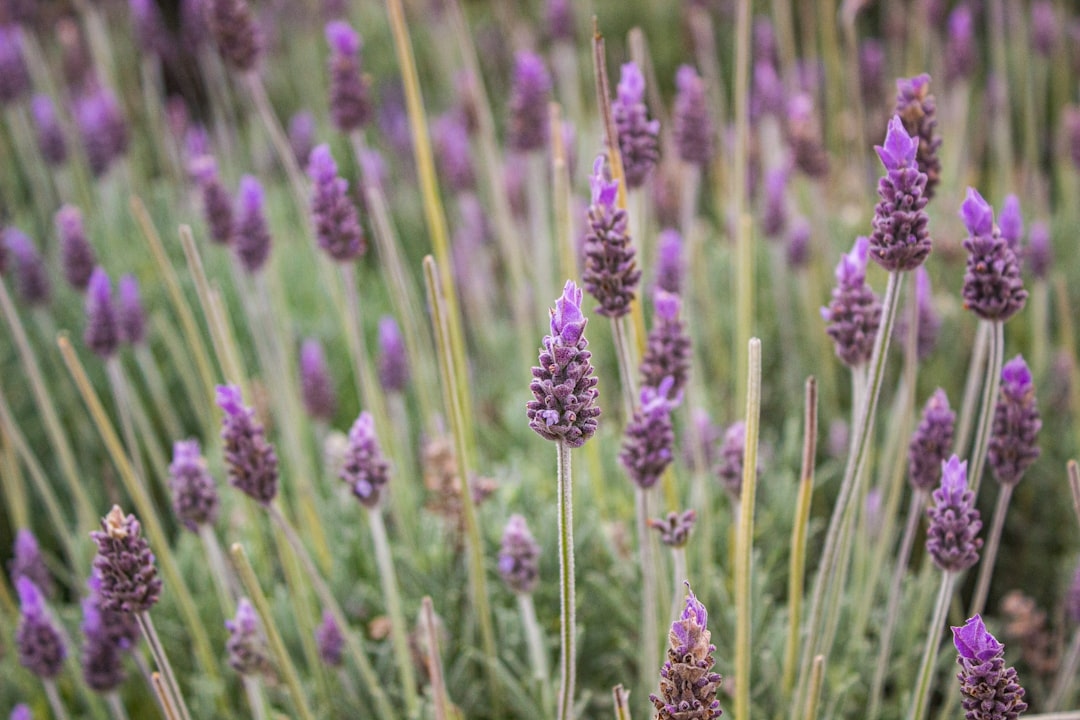
Lavender (Lavandula) is a woody perennial in the mint family, native to the Mediterranean, Middle East, and parts of India. That origin story tells you a lot: this plant evolved on rocky hillsides with thin, alkaline soil, blazing sun, and dry summers. It’s not delicate. It’s not needy. It just needs conditions that mimic home.
Beyond beauty, lavender pulls serious weight in the garden. It’s a proven pollinator magnet — a single mature plant can attract over 30 species of bees. It’s deer-resistant, drought-tolerant once established, and remarkably long-lived. A well-placed English lavender plant can thrive for 15 to 20 years with minimal intervention.
There’s also real economic value here. Fresh lavender bundles sell at farmers markets for $5–$12 each, and dried bundles fetch $8–$18. If you’re growing even a modest patch of 10 plants, you’re looking at potential seasonal income or a serious reduction in your floral spending.
Choosing the Right Lavender Variety for Your Climate
Not all lavender is created equal, and variety selection is the single most important decision you’ll make. The wrong lavender in the wrong zone leads to frustration. The right one leads to a plant that blooms reliably for decades.
English Lavender (Lavandula angustifolia) — Best for Cold Climates
This is the classic, and for most US gardeners it’s the starting point. English lavender is cold-hardy to USDA Zone 5 (surviving temperatures as low as -20°F with good drainage), making it suitable for much of the continental US including the Pacific Northwest, Midwest, and Northeast.
Top cultivars to consider:
- ‘Hidcote’ — Compact at 12–18 inches, deep violet flowers, excellent for edging and containers. One of the most cold-tolerant options available.
- ‘Munstead’ — Early bloomer, lavender-blue flowers, grows 18–24 inches. Named after Gertrude Jekyll’s garden in Surrey. Widely available at US nurseries for $6–$12 per plant.
- ‘Vera’ — Taller at 24–30 inches with larger flower spikes, ideal for cutting and oil production.
French Lavender (Lavandula stoechas) — Best for Mild Winters
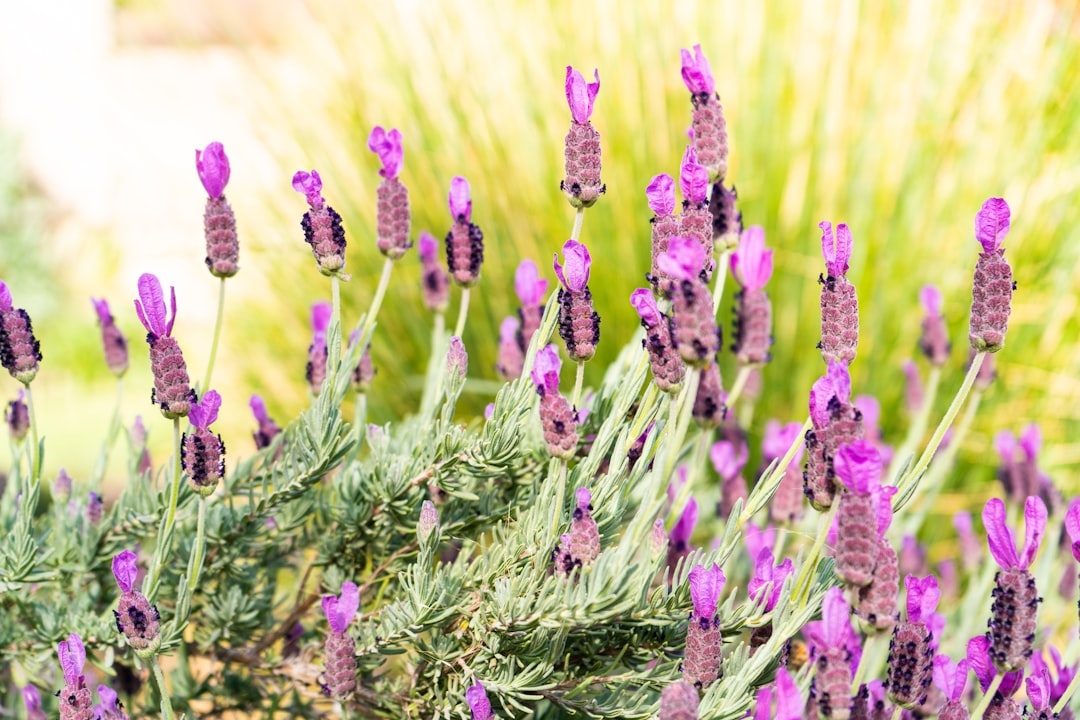
French lavender has those distinctive “rabbit ear” bracts sitting on top of pineapple-shaped flower heads — genuinely one of the most ornamental plants in any garden. It blooms earlier and longer than English lavender, often starting in late winter in mild climates.
Hardy only to Zone 8 (around 10–20°F), it’s a natural fit for coastal California, the Pacific Northwest lowlands, the South, and the Gulf Coast. In colder regions, it’s a stunning container plant you can overwinter indoors.
Lavandin (Lavandula × intermedia) — Best for Large Plantings
Lavandin is a hybrid of English and spike lavender. It grows larger — often 3–4 feet tall and equally wide — with longer flower stalks that are prized commercially. Provence, France’s lavender fields are almost entirely lavandin.
Cultivars like ‘Grosso’ and ‘Provence’ are workhorses: vigorous, fragrant, and productive. Hardy to Zone 5 and more heat-tolerant than pure English lavender, they’re an excellent choice for the mid-Atlantic states, Intermountain West, and California’s Central Valley.
Spanish Lavender (Lavandula latifolia) — Best for Hot, Dry Climates
Often confused with French lavender, Spanish lavender (spike lavender) is the heat and drought champion of the genus. It handles Zone 7–10 conditions well and is a strong performer in the Southwest, Texas, and the Southeast. Its fragrance is more camphor-forward than floral — excellent for repelling insects but less popular for sachets and culinary use.
Soil Preparation: The Foundation of Lavender Success
Lavender is ruthlessly unforgiving of wet feet. Root rot is by far the most common cause of lavender death in US gardens, and it almost always comes down to poor drainage rather than any exotic disease or pest.
Target these soil conditions before you plant:
- pH: 6.5–7.5 (slightly alkaline). If your soil is acidic — common in the Southeast and Pacific Northwest — work in agricultural lime before planting. A standard soil test (available at most extension offices for $10–$20) will tell you exactly how much to add.
- Drainage: Water should drain from a 12-inch hole within 1 hour. If it doesn’t, amend heavily with coarse sand (not fine play sand) or pea gravel, or build a raised bed.
- Organic matter: Counterintuitively, lavender prefers lean soil. Avoid high-nitrogen amendments like fresh compost or manure — they encourage lush leafy growth at the expense of flowers and fragrance.
For raised beds or containers, a reliable mix is two parts garden soil, one part coarse sand or perlite, and one part fine gravel. This replicates the rocky, fast-draining slopes of the Mediterranean coast surprisingly well.
“The number one mistake I see at the nursery is people planting lavender in clay-heavy beds right after a rainy spring. Give it sharp drainage and full sun, and lavender will outlive your other perennials by a decade.”
— Dr. Maren Hollis, Certified Professional Horticulturist and owner of Stonehill Herb Nursery, Asheville, NC
Planting Lavender: Timing, Spacing, and Technique
When to Plant
In most US climate zones, spring planting (after the last frost date) gives lavender the best start — it has a full season to establish roots before facing its first winter. In Zones 8–10, fall planting works beautifully, allowing roots to develop during cool, moist months before the stress of summer heat.
Avoid planting in the heat of summer. Lavender transplants struggle when daytime temperatures regularly exceed 90°F, and newly planted specimens have little drought tolerance until their root systems are established (typically 1–2 growing seasons).
Spacing Guidelines
Adequate airflow is critical — it prevents fungal disease and keeps the center of the plant from rotting out. Space plants according to their mature spread:
- Compact English varieties (‘Hidcote’, ‘Munstead’): 18–24 inches apart
- Standard English and French varieties: 24–30 inches apart
- Lavandin hybrids (‘Grosso’, ‘Provence’): 36–48 inches apart
If you’re planting a hedge or edging, the tighter end of these ranges creates a fuller look faster. For specimen plants or mixed borders, err toward the wider end.
Planting Depth and Technique
Plant lavender at the same depth it sat in its nursery pot — never deeper. Burying the woody base accelerates rot. After planting, water in thoroughly, then step back. Resist the urge to water again for at least 7–10 days unless conditions are extremely hot and dry.
A 2–3 inch layer of gravel or crushed stone mulch around the base (not wood chips, which retain moisture) dramatically improves drainage and reflects heat upward, mimicking the rocky terrain lavender loves.
Watering and Fertilizing: Less Is Genuinely More
Watering Schedule by Establishment Stage
Newly planted lavender needs more attention than established plants — but still far less than most perennials. A practical watering schedule:
- Weeks 1–4 after planting: Water every 2–3 days if there’s no rain, allowing the top inch of soil to dry between waterings.
- Months 2–6: Reduce to once per week, then every 10–14 days as roots establish.
- After first full season: In most US climates, natural rainfall is sufficient. Supplement only during extended droughts of 3+ weeks with no precipitation.
Established lavender in USDA Zones 5–7 typically needs zero supplemental irrigation after year two. In Zone 8 and warmer, deep watering every 2–3 weeks in summer is usually enough.
Fertilizing: Keep It Minimal
Skip the high-nitrogen fertilizers entirely. A single light application of a low-nitrogen, high-phosphorus fertilizer (look for an NPK ratio like 5-10-10) in early spring is genuinely all lavender needs. Some experienced growers skip fertilizing altogether after year three, relying on a top-dressing of agricultural lime every 2–3 years to maintain soil pH.
Pruning Lavender: The Key to Longevity
Unpruned lavender goes woody, splits open at the center, and loses vigor within 5–7 years. Proper pruning extends a plant’s productive life by a decade or more. It’s also one of the most misunderstood aspects of lavender care.
When and How to Prune
There are two key pruning moments in the lavender calendar:
- After first bloom (late spring/early summer): Cut back the spent flower stalks to just above the foliage mound. This often triggers a second flush of bloom in English lavender varieties. Remove about one-third of the plant’s height.
- Late summer/early fall (August–September in most US zones): Give the plant a more significant shaping cut, reducing it by up to half. This is the critical structural pruning that keeps the plant compact and prevents it from going completely woody.
The golden rule: Never cut into old, brown, woody stems. Unlike roses or buddleia, lavender cannot regenerate from bare wood. Always leave a significant amount of green foliage on every stem you cut.
In Zone 5–6, skip the heavy fall pruning and wait until early spring — cutting back in fall can leave the plant vulnerable to winter damage. A light tidy in fall and a structural pruning in March works well for colder climates.
Common Lavender Problems and How to Fix Them
Yellowing Leaves
Yellow foliage almost always signals overwatering or poor drainage. Check the soil 4 inches down — if it’s consistently moist, reduce watering frequency and consider improving drainage. Yellowing can also indicate overly acidic soil; a pH test is a fast diagnostic step.
Leggy, Sparse Growth
Too little sun is the typical culprit. Lavender needs a minimum of 6 hours of direct sun daily; 8 hours is ideal. Plants in partial shade stretch toward light, bloom poorly, and are more susceptible to fungal issues. Transplanting to a sunnier location is often the only real fix.
Root Rot (Phytophthora)
If your plant suddenly wilts, turns gray-brown, and doesn’t recover after watering, root rot has likely taken hold. Unfortunately, it’s usually fatal once advanced. Remove and dispose of affected plants, improve drainage in the bed, and wait at least a season before replanting lavender in the same spot.
Shab Disease (Phoma lavandulae)
This fungal disease causes sudden branch dieback, often in a patchy pattern across the plant. It spreads in wet conditions and is more common in the Southeast and Pacific Northwest. Prune out affected branches immediately with sterilized shears, improve airflow with wider spacing, and avoid overhead irrigation.
Harvesting Lavender for Maximum Fragrance and Shelf Life
When to Harvest
Timing is everything. Harvest lavender when approximately half the flowers on a spike have opened — at this stage, the essential oil content is at its peak, fragrance is strongest, and the blooms will continue to open after cutting. Waiting until all flowers are fully open means you’re past the optimal window; fragrance diminishes quickly after full bloom.
The best time of day to harvest is mid-morning, after the dew has dried but before the afternoon heat reduces essential oil concentration.
How to Harvest
Use sharp, clean scissors or harvest shears. Cut stems as long as possible — down to just above the first set of leaves. Bundle 50–100 stems together with a rubber band (which contracts as stems dry and shrink), then hang upside down in a warm, dry, dark location with good airflow.
Drying typically takes 2–4 weeks depending on humidity. Properly dried lavender retains fragrance for 1–3 years.
Fresh vs. Dried Lavender: What’s the Difference for Your Uses?
- Fresh: Best for floral arrangements, cooking, and fresh sachets. Use within 1–2 weeks.
- Dried: Best for sachets, wreaths, potpourri, and culinary uses like lavender sugar or lemon-lavender shortbread. Dried culinary lavender goes for $8–$20 per ounce at specialty stores — growing your own is a significant savings.
Growing Lavender in Containers
Container growing opens lavender up to gardeners in Zones 4 and colder, apartment balconies, and anyone who wants the flexibility to move plants around. It requires slightly more attention than in-ground growing but is entirely achievable.
Key container requirements:
- Pot size: A minimum of 12 inches in diameter for compact varieties, 16–18 inches for larger types. Terracotta is ideal — it’s porous and helps prevent overwatering.
- Drainage: Pots must have multiple drainage holes. Elevate pots on feet or blocks to ensure free drainage.
- Watering: Containers dry out faster than garden beds. Check soil moisture every 2–3 days in summer; water when the top 2 inches are dry.
- Overwintering in cold zones: Move containers to an unheated garage or basement when temps drop below 20°F. Water sparingly — once a month is typically enough. Return outdoors after last frost.
A Practical Budget Breakdown for Starting a Lavender Garden
Getting started with lavender doesn’t require a large investment. Here’s a realistic cost estimate for establishing a small lavender patch of 5–6 plants in a prepared garden bed:
- Bare-root or plug plants (5–6): $15–$45 (online nurseries like High Country Gardens or Bluestone Perennials)
- 1-gallon nursery pots (5–6): $30–$72 ($6–$12 each at local garden centers)
- Soil amendments (lime, coarse sand, perlite): $15–$30
- Gravel mulch (1 bag): $8–$15
- Harvest shears: $12–$25
- Soil test: $10–$20 (optional but recommended for first-time growers)
Total estimated startup cost: $60–$160, depending on plant size and whether you already have basic tools. This is a one-time investment for plants that will produce for 15+ years.
Frequently Asked Questions About Growing Lavender
How long does it take for lavender to bloom the first year?
Most lavender planted in spring will produce some bloom in its first growing season, though the display will be modest. Full, robust flowering typically begins in year two. Resist deadheading too aggressively in year one — let the plant put energy into root development.
Can lavender survive winter in Zone 5 or colder?
Yes, with the right variety. English lavender cultivars like ‘Hidcote’ and ‘Munstead’ are reliably hardy to Zone 5 (-20°F) when planted in well-drained soil. Excellent drainage is more important than temperature alone — waterlogged soil that freezes is the real killer. In Zone 4, container growing with indoor overwintering is the most reliable approach.
Why is my lavender not blooming?
Insufficient sunlight is the most common cause — lavender needs 6–8 hours of direct sun daily. Other reasons include overly rich or acidic soil, excessive nitrogen fertilizer, and skipping the annual pruning that stimulates new flowering growth.
Is lavender edible, and which varieties are best for cooking?
Yes. English lavender (Lavandula angustifolia) is the standard choice for culinary use — its flavor is floral and sweet without the camphor notes found in French and Spanish types. ‘Hidcote’ and ‘Munstead’ are both excellent for cooking. Use dried flowers sparingly: culinary lavender is roughly three times more potent than fresh, and too much creates a soapy flavor.
How often should you replace lavender plants?
Well-maintained lavender plants last 15–20 years. That said, many gardeners find that plants become noticeably less productive after 8–10 years and choose to replace them. Taking cuttings from healthy parent plants (which root easily in late summer) is a free way to perpetually renew your lavender garden without purchasing new plants.
Your Growing Lavender Guide Starts With One Plant
Lavender rewards the attentive gardener while forgiving minor mistakes — as long as drainage and sunlight are right, almost everything else is adjustable. Start with one or two plants in a sunny, well-drained spot. Learn how they behave in your specific microclimate. Then expand.
By next summer, you could be harvesting your first bundles, drying stems in your garage, and wondering why you waited so long to add this plant to your garden. Visit your local independent nursery and ask for the variety best suited to your zone — the staff will almost certainly have strong opinions, and those opinions are usually worth following.