Contents:
- What Is Bougainvillea? A Quick Botanical Background
- Bougainvillea vs. Mandevilla: Don’t Confuse the Two
- Bougainvillea Hardiness Zones in the US
- Where Bougainvillea Thrives Year-Round
- Growing Bougainvillea in Zones 7–8 (Marginal Regions)
- Choosing the Right Variety for Your Location
- Top Bougainvillea Varieties for the US Market
- How to Plant Bougainvillea: The Right Way From the Start
- Timing
- Site Selection
- Planting Steps
- Bougainvillea Care: Sun, Water, Fertilizer, and Soil
- Watering: Less Is More
- Fertilizing for Maximum Blooms
- Soil Requirements
- Pruning Bougainvillea: The Key to Year-Round Blooms
- When to Prune
- How to Prune Safely
- Growing Bougainvillea in Containers
- Container Selection
- Overwintering Containers Indoors
- Common Problems: Pests, Diseases, and How to Fix Them
- Pests
- Diseases
- Why Isn’t My Bougainvillea Blooming?
- Bougainvillea Cost Breakdown: What to Budget in the US
- Plant Purchase Costs
- Ongoing Annual Costs (Established In-Ground Plant)
- Container Growing Setup Cost
- Training Bougainvillea: Trellises, Walls, and Fences
- Best Support Structures
- Bougainvillea for Curb Appeal and US Landscaping Design
- Design Principles That Work
- Practical Tips From Experienced Bougainvillea Growers
- Frequently Asked Questions About Bougainvillea in the US
- What is the lowest temperature bougainvillea can survive?
- How fast does bougainvillea grow?
- Why are my bougainvillea leaves turning yellow?
- Can I grow bougainvillea indoors year-round?
- Is bougainvillea toxic to pets or humans?
- Getting Started: Your First Season Action Plan
Can a plant survive on neglect, full sun, and almost no water — and still explode into a wall of magenta, coral, or white every spring? That’s exactly what bougainvillea does, and it’s why this thorny, exuberant climber has become one of the most sought-after plants in American gardens. This bougainvillea US guide covers everything you need to know: which zones support it, how to plant and prune it, what it costs, and how to keep it thriving year after year.
What Is Bougainvillea? A Quick Botanical Background
Bougainvillea is a genus of thorny ornamental vines, shrubs, and small trees native to South America — specifically Brazil, Peru, and southern Argentina. It belongs to the family Nyctaginaceae. The plant was first described by European botanists during an 18th-century expedition led by French navigator Louis Antoine de Bougainville, which is how it got its name.
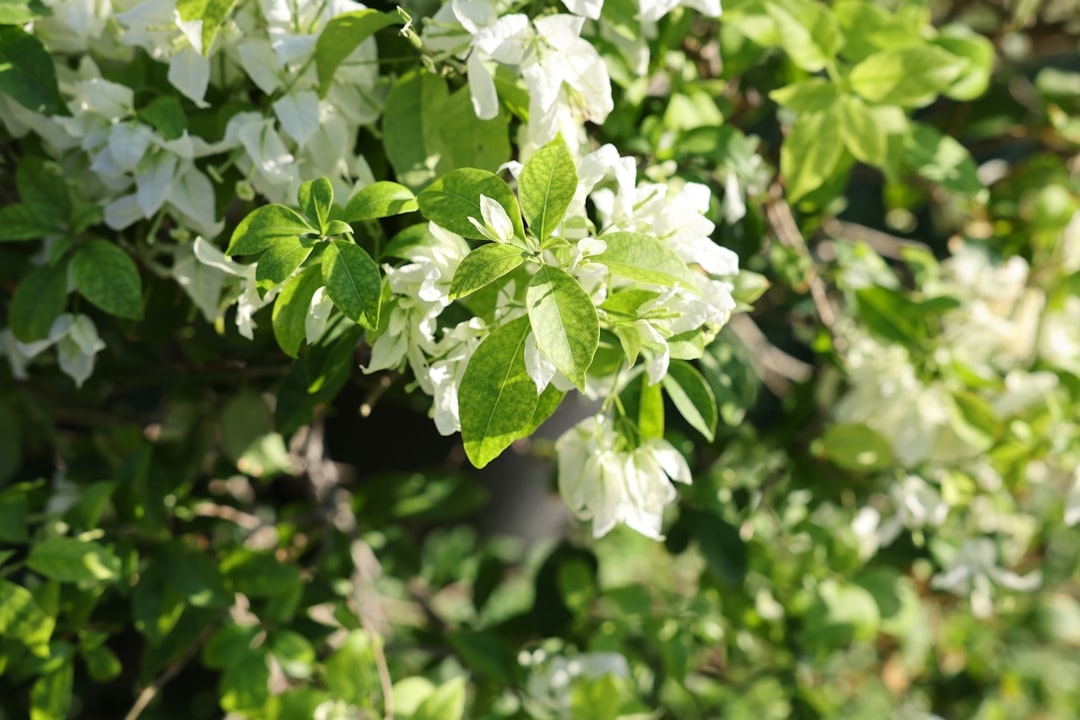
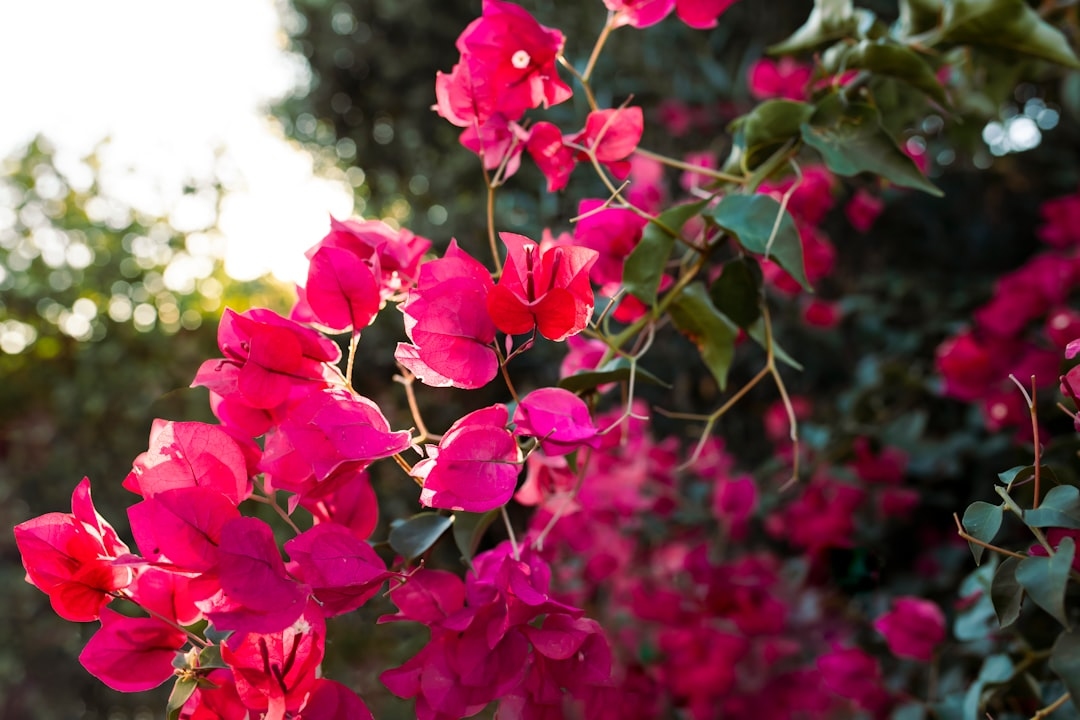
The showy “flowers” everyone loves aren’t actually flowers at all. They’re bracts — modified leaves that surround the tiny, inconspicuous white tubular true flowers. Those papery bracts are what produce the intense color: hot pink, deep purple, brick red, orange, yellow, and creamy white, depending on the variety. The show can last for months, especially in warm, dry climates.
There are about 18 recognized species and hundreds of cultivars. In US landscapes, the most commonly grown include Bougainvillea spectabilis, B. glabra, and hybrid varieties like ‘Barbara Karst’ (vivid red-magenta), ‘San Diego Red’ (deep crimson), ‘Purple Queen’ (rich violet), and ‘Helen Johnson’ (compact, dwarf habit suited to containers).
Bougainvillea vs. Mandevilla: Don’t Confuse the Two
Bougainvillea is frequently confused with mandevilla (Mandevilla spp.) at garden centers, especially when both are sold as flowering vines in hanging baskets or on trellises. They’re completely different plants. Here’s how to tell them apart:
- Leaf texture: Bougainvillea has slightly rough, matte leaves. Mandevilla leaves are glossy, smooth, and oval with a rubbery feel.
- Thorns: Bougainvillea has sharp, curved thorns along its stems. Mandevilla is thornless.
- Flowers vs. bracts: Mandevilla produces true trumpet-shaped flowers, typically pink or red with a yellow center. Bougainvillea’s color comes from papery bracts, not petals.
- Hardiness: Both are frost-sensitive, but bougainvillea is more drought-tolerant once established. Mandevilla is strictly tropical and dies back more readily below 50°F.
- Size: Bougainvillea can reach 20–30 feet as a vine. Mandevilla typically tops out at 10–15 feet in ideal conditions and is more manageable in pots.
If you want explosive color, fast coverage of a wall or pergola, and minimal watering, bougainvillea is your plant. If you prefer large, true flowers on a more compact, thornless vine, mandevilla is the better pick.
Bougainvillea Hardiness Zones in the US
This is the single most important factor for US growers. Bougainvillea is perennial in USDA Hardiness Zones 9–11. It can survive brief dips to about 32°F but is killed to the ground — or killed outright — by prolonged freezes. Roots can sometimes survive light frost and resprout in Zone 8b if heavily mulched, but this is unreliable.
Where Bougainvillea Thrives Year-Round
- Zone 10–11 (South Florida, Hawaii, Puerto Rico, Imperial Valley CA): Bougainvillea grows as a vigorous evergreen perennial. It blooms heavily multiple times per year and can reach mature sizes of 20+ feet.
- Zone 9b–10a (Greater Phoenix, Southern California coast, Lower Rio Grande Valley TX): The sweet spot. Plants establish quickly, bloom reliably in spring and fall, and require minimal winter protection except during unusual cold snaps.
- Zone 9a (Inland Southern California, Houston, New Orleans, Tucson): Reliable with some dieback after hard winters. Plants recover quickly in spring. Full sun and excellent drainage are non-negotiable here.
Growing Bougainvillea in Zones 7–8 (Marginal Regions)
Gardeners in the Carolinas, the Mid-Atlantic, and lower Mid-South can grow bougainvillea as an annual or container plant that’s overwintered indoors. Bring containers inside before the first frost — typically when nighttime temps fall below 40°F consistently. Keep them in a cool, bright room (above 50°F) and water sparingly through winter. They often drop leaves but survive. Move them back outdoors after your last frost date.
In Zone 8a/8b, in-ground planting is occasionally attempted in sheltered microclimates (south-facing walls, near masonry that holds heat). Success rate is inconsistent. If you’re in Atlanta or Dallas, container growing is the safer bet.
Choosing the Right Variety for Your Location
With hundreds of cultivars available, picking the right one matters more than most gardeners realize. Consider mature size, climate tolerance, and intended use.
Top Bougainvillea Varieties for the US Market
- ‘Barbara Karst’: The most widely grown variety in the US. Hot magenta-red bracts, extremely vigorous, tolerates heat and drought well. Excellent for trellises and walls in Zones 9–11. Can reach 20–30 feet.
- ‘San Diego Red’ (also called ‘Scarlett O’Hara’): Deep crimson bracts with dark green leaves. Slightly more cold-tolerant than ‘Barbara Karst’. Strong grower, excellent for Southern California and Arizona.
- ‘Purple Queen’: Rich purple-violet bracts, long bloom period. Slightly less vigorous than red varieties — easier to manage on a smaller structure.
- ‘Helen Johnson’ (Dwarf): Compact habit, rarely exceeds 3–4 feet. Ideal for containers, hanging baskets, or bonsai training. Hot pink-lavender bracts. Best for Zone 9b+ or container growing nationwide.
- ‘Double Pink’: Double-bracted variety with ruffled, rose-like appearance. Slightly less vigorous; the extra bracts mean less efficient seed-set so bloom time can be extended. Popular in South Florida.
- ‘California Gold’ / ‘Moneth’: Golden-yellow bracts, one of the better yellow varieties for consistent color. Tends to grow more slowly than red or pink types.
- ‘Miss Alice’: White-bracted, compact variety. Fragrant true flowers. Good for patios and containers where a softer look is desired.
How to Plant Bougainvillea: The Right Way From the Start
Bougainvillea has one major vulnerability during establishment: root disturbance. The roots are extremely sensitive, and a damaged root ball means weeks of stress and potential failure to thrive. Every other part of the planting process is secondary to this.
Timing
Plant in spring after the last frost date for your zone. In frost-free climates, spring through early summer is ideal — warm soil temperatures (above 60°F) promote root establishment before the hot season hits. Avoid planting in summer heat extremes or winter cold.
Site Selection
- Sun: Minimum 6 hours of direct sun daily. Bougainvillea planted in partial shade will grow but produce significantly fewer bracts. 8+ hours of direct sun is ideal.
- Drainage: This is non-negotiable. Bougainvillea will not tolerate “wet feet.” Heavy clay soils cause root rot within a season. If your native soil drains poorly, amend heavily with coarse sand and perlite, or build a raised bed.
- Wind protection: Young plants are susceptible to wind damage. A south- or west-facing wall provides both reflected heat and wind protection — the ideal microclimate in most US growing zones.
Planting Steps
- Dig a hole twice as wide as the container but no deeper than the root ball height.
- Do not remove the nursery pot in the usual way. Cut the plastic container away with scissors or a knife rather than sliding the plant out. The goal is zero root disturbance.
- If the plant is in a biodegradable pot, leave it intact — those pots are designed to decompose in the soil.
- Set the root ball in the hole so the top of the root ball sits 1–2 inches above the surrounding soil grade. This prevents crown rot.
- Backfill with native soil mixed with a small amount of coarse compost (not more than 20% amendment — you want roots to extend into native soil, not stay in a rich pocket).
- Water deeply once, then back off. Overwatering during the first weeks is a leading cause of new-plant failure.
Bougainvillea Care: Sun, Water, Fertilizer, and Soil
Watering: Less Is More
Once established (typically after 6–12 months), bougainvillea is remarkably drought-tolerant. In fact, mild water stress triggers blooming. This is not just gardener lore — it’s the mechanism commercial growers use to force flowering. The plant responds to stress by shifting energy from vegetative growth to reproduction.
Practical watering schedule for established plants:
- Summer: Water deeply every 7–10 days in the absence of rain. Allow the top 2 inches of soil to dry out between waterings.
- Spring/Fall: Every 10–14 days is usually sufficient.
- Winter (frost-free zones): Reduce to every 3–4 weeks. Bougainvillea enters a semi-dormant state and needs very little water.
Newly planted bougainvillea needs more frequent watering — every 2–3 days for the first 2–3 weeks, then gradually taper. The mistake most gardeners make is continuing frequent watering indefinitely, which promotes lush green growth at the expense of flowers.
Fertilizing for Maximum Blooms
Bougainvillea is a heavy feeder during its growing season. Use a fertilizer formulated for flowering plants — one with a higher middle number (phosphorus) and potassium relative to nitrogen. High-nitrogen fertilizers push leafy growth and suppress flowering.
A recommended regimen: apply a slow-release granular fertilizer with an NPK ratio of approximately 6-8-10 or similar in early spring, then supplement with a liquid fertilizer (such as 0-10-10 or a bloom booster) every 4–6 weeks through the bloom season. Stop fertilizing in late fall to allow the plant to prepare for dormancy or reduced growth.
One specific product that performs well for US growers: Peters Professional Bougainvillea Fertilizer (17-7-12 with trace elements), which is available from many mail-order nurseries and big-box garden centers in the South and West at around $18–$25 per 1.5 lb container.
Soil Requirements
Bougainvillea thrives in slightly acidic to neutral soil — pH 5.5 to 6.5. It performs best in well-drained, lean soil. Rich, amended soil encourages vegetative growth over flowering. If your native soil is heavy clay, amend the planting bed with coarse sand, perlite, or decomposed granite rather than organic matter.
Pruning Bougainvillea: The Key to Year-Round Blooms
Pruning is probably the most misunderstood aspect of bougainvillea care. Many growers either skip it entirely (resulting in a sprawling, impenetrable thicket) or prune too hard at the wrong time (removing the growth that’s about to bloom).
Bougainvillea blooms on new growth. Pruning stimulates new lateral shoots, and those shoots produce bracts. Strategic pruning is how you get multiple flush cycles per year rather than one.
When to Prune
- Major structural pruning: Late winter or very early spring, just before new growth emerges. This is when you shape the plant, remove dead wood, and reduce overall size if needed.
- Light pruning / tip pinching: After each bloom cycle. Once the bracts fade and drop, pinch back the tips of flowering stems by 3–6 inches. This redirects energy into new shoots that will bloom again.
- Never prune heavily in fall in marginal zones — it stimulates tender new growth that will be damaged by cold.
How to Prune Safely
Wear thick leather gloves — bougainvillea thorns are curved and can puncture deeply. Use sharp bypass pruners for stems up to ½ inch diameter, and loppers for anything larger. Make cuts at a 45-degree angle just above an outward-facing bud or lateral branch. Clean your tools with isopropyl alcohol between plants to avoid spreading disease.
For overgrown specimens, a hard renewal pruning — cutting back to the main structural framework — can be done every 3–5 years in early spring. Plants typically respond with vigorous regrowth and improved flowering within one season.
Growing Bougainvillea in Containers
Container growing is the solution for gardeners in Zones 7 and 8, apartment dwellers, and anyone who wants to move plants for design flexibility. It also happens to encourage blooming — the mild root restriction of container growing mimics the stress that triggers flowering.
Container Selection
Choose a container that is slightly snug rather than oversized. A 15-gallon container is a good starting size for most landscape varieties; dwarf types do well in 10-gallon pots. Clay or terracotta pots are excellent for bougainvillea because they are porous and allow excess moisture to evaporate — this mimics the well-drained conditions the plant prefers. Make sure drainage holes are large and unobstructed.
Avoid glazed ceramic pots with a single small drainage hole. The combination of poor drainage and moisture retention is a guaranteed recipe for root rot.
Overwintering Containers Indoors
Move containers inside when nighttime temperatures drop consistently below 40°F. Place in the brightest possible location — a south-facing window or under grow lights. Expect leaf drop; this is normal. Reduce watering to once every 2–3 weeks. Do not fertilize. Maintain temperatures above 50°F. In late winter or early spring, increase light and water gradually to bring the plant out of dormancy before moving it back outside after your last frost date.
Common Problems: Pests, Diseases, and How to Fix Them
Pests
- Bougainvillea looper caterpillar (Disclisioprocta stellata): The most destructive pest in warm US regions. These caterpillars devour leaves rapidly. Hand-pick small infestations; use Bacillus thuringiensis (Bt) spray for larger outbreaks. Avoid broad-spectrum insecticides that kill beneficial insects.
- Aphids: Common on new growth. A strong jet of water dislodges most colonies. Neem oil or insecticidal soap spray is effective for persistent infestations.
- Spider mites: More common during hot, dry spells. Symptoms include stippled, dull leaves and fine webbing. Miticide or neem oil applied in the evening is effective.
- Mealybugs: White cottony clusters in stem joints. Treat with 70% isopropyl alcohol applied with a cotton swab, or neem oil spray.
Diseases
- Root rot (Phytophthora spp.): Caused by overwatering or poor drainage. Symptoms include yellowing leaves, wilting despite moist soil, and brown mushy roots. There is no chemical cure — prevention through proper drainage is the only reliable approach. Severely affected plants usually cannot be saved.
- Chlorosis (iron deficiency): Yellow leaves with green veins, typically on new growth. Often caused by high soil pH reducing iron availability. Treat with chelated iron applied as a foliar spray or soil drench. Also check and correct soil pH.
- Leaf spot fungi: Small brown or black spots on leaves. Usually cosmetic and not fatal. Improve air circulation and avoid overhead watering. Copper-based fungicide can help in severe cases.
Why Isn’t My Bougainvillea Blooming?
This is the most common question US growers ask. The answers almost always come back to one of four causes:
- Too much water: Reduce watering frequency significantly. Let the soil dry out.
- Too much nitrogen: Switch to a low-nitrogen, high-phosphorus fertilizer.
- Not enough sun: Bougainvillea needs 6–8+ hours of direct sun. Evaluate shade from structures or trees that may have grown in.
- Root disturbance or transplant stress: A recently transplanted or repotted plant may sulk for 6–12 months before blooming again.
Bougainvillea Cost Breakdown: What to Budget in the US
Costs vary significantly by region, vendor type, and plant size. Here’s a realistic breakdown for US buyers in 2026–2026:
Plant Purchase Costs
- 1-gallon starter plants (big-box garden centers): $8–$15. These are small, often in 6-inch to 1-gallon nursery pots. Expect 1–2 years to establish and begin serious blooming.
- 5-gallon nursery plants: $25–$45 at most Southern California, Arizona, and Texas nurseries. These are the best value for most gardeners — established enough to handle transplanting, still affordable.
- 15-gallon specimen plants: $75–$150+. Instant impact. These are mature plants with significant root systems. Common at specialty nurseries in warm-climate states.
- Bonsai or trained standard bougainvillea: $80–$300+. Highly trained specimens sold at specialty nurseries and through online vendors like Florida Foliage or Logee’s.
Ongoing Annual Costs (Established In-Ground Plant)
- Fertilizer: $20–$40/year
- Pest and disease management (if needed): $10–$30/year
- Professional pruning (if applicable): $75–$200/year depending on plant size and local labor rates. Most home gardeners handle this themselves.
- Irrigation (supplemental summer watering in dry climates): Minimal — bougainvillea is one of the more water-efficient landscape plants once established.
Container Growing Setup Cost
- 15-gallon terracotta pot: $30–$60
- Quality potting mix (fast-draining cactus/succulent blend): $15–$25 for enough to fill a 15-gallon pot
- Plant (5-gallon): $25–$45
- Total startup cost: Approximately $70–$130 for a complete container setup
Training Bougainvillea: Trellises, Walls, and Fences
Bougainvillea is not a true climbing vine — it doesn’t twine like wisteria or attach via tendrils like grapes. It grows by scrambling, using its thorns to hook onto surfaces and adjacent growth. This means you need to actively tie new growth to a support structure, especially in the first few years.
Best Support Structures
- Galvanized wire on masonry walls: The classic look for Southern California and Arizona homes. Run horizontal wires spaced 12–18 inches apart along a fence or wall using eye hooks. Tie new canes loosely with plant ties or jute twine.
- Metal or wooden pergolas: Bougainvillea on a pergola creates dramatic overhead color. Plan for a mature plant in full sun to eventually cover 15–20 square feet of canopy per year under ideal conditions.
- Chain-link fence: Surprisingly effective — the open mesh lets you weave canes through as they grow. Within 2–3 seasons in Zone 9–10, you can achieve complete fence coverage.
- Arbors and arches: Work well for compact or dwarf varieties. Train three to four main canes up and over, then allow lateral growth to cascade.
Avoid training bougainvillea directly against wood siding. The thorns cause physical damage to painted or stained wood, and the dense canopy traps moisture against the wall surface, inviting rot and pest problems.
Bougainvillea for Curb Appeal and US Landscaping Design
In the right climate, few plants deliver a higher visual return per dollar. A mature ‘Barbara Karst’ in full bloom against a white stucco wall in Phoenix or San Diego is one of the most striking things in American residential landscaping. But design matters.
Design Principles That Work
- Contrast with light surfaces: Deep magenta and red varieties show best against white, cream, or pale gray walls. Yellow and white varieties pop against dark materials like slate or charcoal stucco.
- Layer with drought-tolerant companions: Pair with Mexican sage (Salvia leucantha), agave, or bird of paradise (Strelitzia reginae) for a low-water, high-color Mediterranean or desert garden palette.
- Use dwarf varieties as ground covers or bank covers: ‘Helen Johnson’ and similar compact types spread to 4–6 feet wide when unpruned and can cover dry slopes effectively in Zone 9+.
- Container groupings: Three containers of different bougainvillea varieties — say, a red, a purple, and a white — grouped at a patio entry create a professional nursery-style display that’s easy to maintain and adjust seasonally.
Practical Tips From Experienced Bougainvillea Growers
- The “torture” method works: Stop watering for 3–4 weeks (in established plants during warm weather), then resume. This reliably triggers a flush of new growth and blooms within 2–3 weeks of resuming irrigation. Commercial growers in Hawaii and Florida use this technique routinely.
- Use black nursery pots as liners inside decorative containers: This makes it much easier to remove and inspect roots without disturbing them unnecessarily during repotting.
- Wear heavy gloves always. Bougainvillea thorns are curved and barbed and can drive deep into skin. Puncture wounds from thorns have caused infections requiring medical attention. This is not an exaggeration.
- Don’t panic when leaves drop after planting: Transplant shock is nearly universal. As long as stems remain green and pliable (not shriveled), the plant is alive. Keep the soil barely moist and resist the urge to fertilize stressed plants.
- Fertilize in the morning when soil is moist: Fertilizing dry soil or during the heat of the day can burn roots. Water the plant first, apply fertilizer, then water again lightly to move nutrients into the root zone.
- Rooting cuttings is straightforward: Take 6–8 inch semi-hardwood cuttings in spring or summer. Remove lower leaves, dip in rooting hormone powder, and stick in a mix of perlite and coarse sand. Keep warm (above 70°F) and moderately moist. Rooting typically occurs in 4–8 weeks.
Frequently Asked Questions About Bougainvillea in the US
What is the lowest temperature bougainvillea can survive?
Bougainvillea can tolerate brief dips to 32°F, but sustained temperatures below 30°F will kill the plant to the ground or kill it entirely. In USDA Zone 9a, plants often defoliate and may die back significantly in an unusually cold winter but can regrow from the roots in spring. In Zones 8 and below, reliable in-ground survival over winter is not expected without protection.
How fast does bougainvillea grow?
Under ideal conditions — full sun, warm climate, minimal water stress — established bougainvillea can grow 3–5 feet per year or more. ‘Barbara Karst’ is among the fastest-growing varieties and can cover a fence or wall impressively within 2–3 seasons in Zone 10. Container plants and dwarf varieties grow more slowly, typically 1–2 feet per year.
Why are my bougainvillea leaves turning yellow?
Yellow leaves on bougainvillea typically indicate one of three issues: overwatering (the most common cause), iron chlorosis from high soil pH, or natural leaf drop during seasonal transition. Check soil drainage first. If leaves are yellow with green veins on young growth specifically, test soil pH and apply chelated iron if pH is above 7.0.
Can I grow bougainvillea indoors year-round?
It’s possible but challenging. Bougainvillea requires very high light levels to bloom — typically more than most indoor environments provide without supplemental grow lighting. A plant grown in a bright south-facing window may survive indoors but will likely produce sparse or no blooms. It is much more reliably grown as a container plant that spends summers outdoors and winters in a cool, bright space.
Is bougainvillea toxic to pets or humans?
Bougainvillea is considered mildly toxic. The sap can cause contact dermatitis in sensitive individuals, and if ingested, the plant material may cause mild gastrointestinal upset in dogs and cats — symptoms typically include drooling, vomiting, and lethargy. The thorns pose a more immediate physical hazard. Keep pets and children away from pruned material and fallen thorny stems.
Getting Started: Your First Season Action Plan
Spring is the time to act. Here’s a concrete sequence for new US bougainvillea growers:
- Confirm your USDA Hardiness Zone at the USDA Plant Hardiness Zone Map website (planthardiness.ars.usda.gov). If you’re in Zone 9+, plan for an in-ground planting. Zone 8 or below — start with a container.
- Choose your variety based on color preference and intended use. For a first-time grower, ‘Barbara Karst’ (red-magenta) or ‘San Diego Red’ in a 5-gallon container from a local nursery is the most foolproof starting point.
- Prepare your site or container before the plant arrives. Amend poor-draining soil or prepare a fast-draining container mix of 60% quality potting soil, 30% perlite, and 10% coarse sand.
- Plant carefully, disturbing roots as little as possible. Set high, water once deeply, and then resist overwatering.
- Install your support structure the same day. Waiting until the plant has grown means you’ll have to fight through thorns to tie up canes that have already sprawled.
- Apply slow-release fertilizer 4–6 weeks after planting, once the plant shows signs of active new growth.
- Begin light pruning after the first bloom flush fades — typically late spring or early summer. This sets up your second bloom cycle.
Bougainvillea rewards decisiveness and benign neglect in equal measure. Plant it right, give it sun, keep it thirsty, and it will deliver the most theatrical flowering performance in the American landscape. The growers who struggle are almost always the ones who water too much, fertilize with the wrong formula, or plant in a spot that’s one tree short of full shade. Get those three fundamentals right, and this plant practically takes care of itself.