Contents:
- What Are Delphiniums? Background and Botanical Context
- Choosing the Right Delphinium Variety
- Top Varieties for American Gardens
- Seed vs. Transplant: Cost and Practicality
- Understanding Your Regional Growing Conditions
- Northeast and Upper Midwest
- The South and Gulf Coast
- West Coast and Pacific Northwest
- High Altitude and Mountain West
- Soil Preparation: The Foundation of Delphinium Success
- Seasonal Planting Timeline and Calendar
- January–February: Seed Starting Indoors
- March–April: Transplant Preparation
- May: Outdoor Planting
- June–July: First Bloom and Staking
- August: Cutting Back and Second Bloom
- October–November: Winter Preparation
- Watering and Feeding Your Delphiniums
- Staking: Why It Matters and How to Do It Right
- Common Problems and How to Solve Them
- Powdery Mildew
- Slugs and Snails
- Crown Rot and Root Rot
- Cyclamen Mites
- Black Blotch (Pseudomonas syringae)
- Propagating Delphiniums: Cuttings and Division
- Basal Cuttings
- Division
- Delphiniums as Cut Flowers: Harvesting and Vase Life
- Budget Breakdown: What It Costs to Grow Delphiniums
- Practical Tips for Beginners
- Delphinium Growing Guide: Frequently Asked Questions
- How long does it take delphiniums to bloom from seed?
- Do delphiniums come back every year?
- Why are my delphinium leaves turning yellow?
- Can I grow delphiniums in containers?
- What is the difference between delphinium and larkspur?
- Moving Forward: Your First Delphinium Season
Most gardeners assume delphiniums are too difficult for beginners. They picture a fussy, temperamental plant that collapses at the first sign of heat or wind. That reputation is not entirely unearned — but it is heavily exaggerated. With the right soil preparation, a sturdy stake, and an understanding of what this plant actually needs, delphiniums are well within reach for anyone growing flowers for the first time. This delphinium growing guide will walk you through everything: selecting varieties, planting from seed or transplant, regional timing, seasonal care, and common problems with specific solutions.
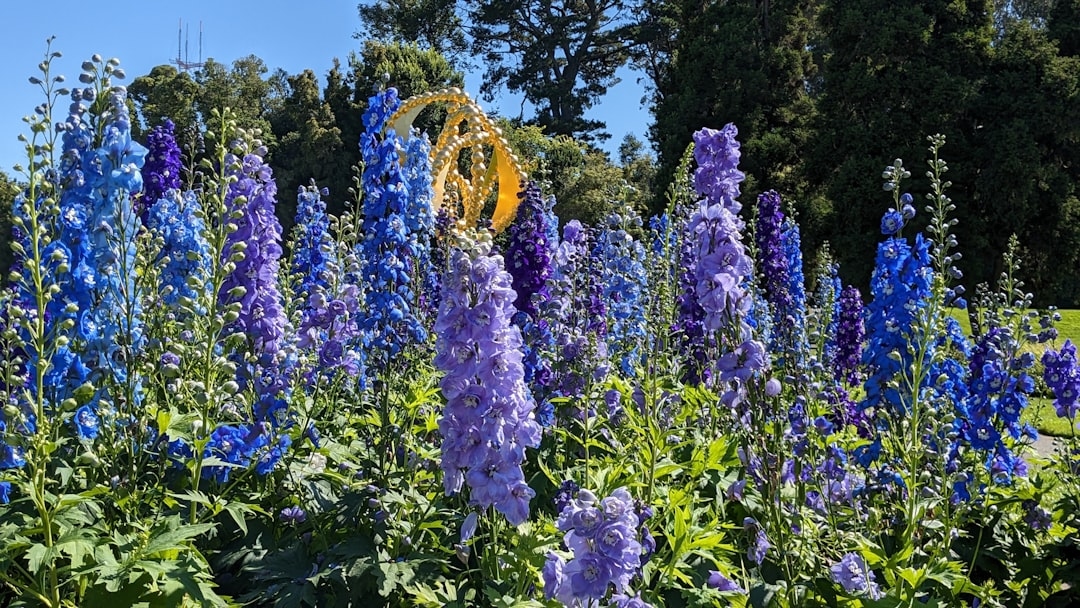
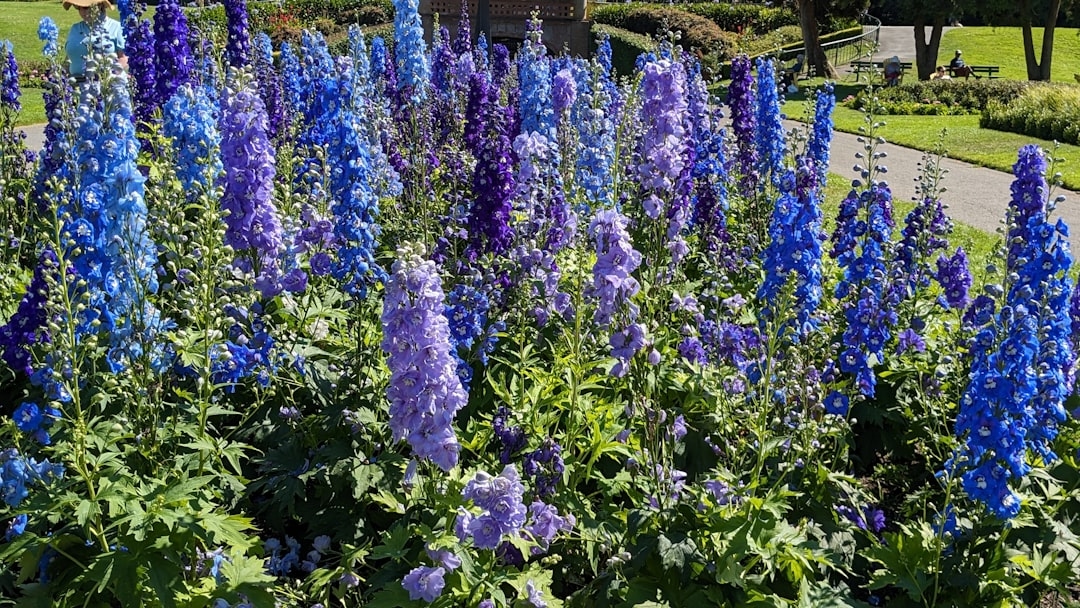
Delphiniums are among the most visually striking plants in temperate gardens. Their flower spikes — which can reach 4 to 6 feet tall in optimal conditions — are densely packed with individual florets in shades of true blue, violet, lavender, white, and deep indigo. That electric blue, almost impossible to find in other garden flowers, is the reason they have been cultivated for centuries and remain a staple of cottage gardens, cut flower farms, and formal perennial borders.
What Are Delphiniums? Background and Botanical Context
Delphiniums belong to the family Ranunculaceae, making them relatives of buttercups, clematis, and anemones. The genus contains roughly 300 species native to the Northern Hemisphere, from mountainous regions of Europe and Asia to the high meadows of North America. The name comes from the Greek word delphis, meaning dolphin — a reference to the curved shape of the flower buds before they open.
In American gardens, you will encounter two main types. The first is the Elatum Group, which includes the tall, dramatic hybrids bred for garden borders and cut flowers. These are the ones most people picture: dense spikes, double florets, and heights that require staking. The second is the Belladonna Group, which produces more loosely branched stems, grows to about 3 to 4 feet, and tolerates heat slightly better. For beginners, Belladonna types offer a more forgiving introduction to the genus.
Delphiniums are perennials in USDA Hardiness Zones 3 through 7. In warmer zones — particularly Zone 8 and above — they are typically grown as annuals or cool-season biennials, planted in fall and treated as a winter-to-spring bloomer. Understanding this distinction is critical before you invest time and money in establishing plants.
Choosing the Right Delphinium Variety
Variety selection matters more with delphiniums than with most garden flowers. The wrong choice for your climate, space, or purpose can mean disappointment even with perfect care.
Top Varieties for American Gardens
- Pacific Giants Series: The classic tall hybrid, reaching 5 to 6 feet. Produced from seed, available in named color strains like ‘Galahad’ (white), ‘King Arthur’ (violet with white bee), and ‘Blue Bird’ (mid-blue). Best suited to Zones 3–7.
- Magic Fountains Series: A compact Elatum type growing 2.5 to 3.5 feet. More wind-resistant than Pacific Giants and a practical choice for smaller gardens or exposed sites. Blooms in the first year from an early seed start.
- Belladonna ‘Völkerfrieden’: A reliable, branching type with clear blue flowers on loose sprays. Grows to about 3.5 feet and reblooms reliably after cutting back. Better heat tolerance than Elatum types.
- New Millennium Series: Bred in New Zealand and increasingly available in the US, these hybrids offer improved disease resistance and a wider color range including true pink and cream. Perennial in Zones 3–7.
- Larkspur (Consolida ajacis): Technically a separate genus, larkspur is the annual cousin of delphinium. It looks similar, blooms quickly from direct-sown seed, and tolerates heat far better. An excellent starting point for absolute beginners before committing to perennial delphiniums.
Seed vs. Transplant: Cost and Practicality
Starting delphiniums from seed is significantly cheaper but requires patience and attention. A packet of 25 Pacific Giants seeds costs approximately $3 to $5. Growing them to transplant size takes 8 to 10 weeks, and germination is temperature-sensitive — seeds need cool conditions around 55°F and often benefit from a one-week cold stratification in the refrigerator before sowing.
Purchasing nursery transplants costs $6 to $12 per plant, sometimes more for named New Millennium varieties. For a small border planting of six plants, expect to spend $36 to $72 on transplants versus under $10 for seeds plus potting mix. If you are planting a large section of a perennial border, seed starting pays off quickly. For a small trial planting, transplants save time and reduce the risk of early failures.
Understanding Your Regional Growing Conditions
No other factor shapes your delphinium growing experience more than your regional climate. The United States spans multiple climate zones and humidity profiles that affect delphiniums in very different ways.
Northeast and Upper Midwest
The cool, humid summers of New England, the Mid-Atlantic, and the upper Midwest are genuinely ideal for delphiniums. States like Vermont, Michigan, and Oregon’s inland valleys produce plants that match the towering English-garden specimens in gardening books. Elatum hybrids and Pacific Giants perform at their best here. Plants reliably return as perennials in Zones 4–6 when given adequate winter mulch after the ground freezes. Expect first bloom in late June, with a potential second flush in August after cutting spent spikes back to 12 inches.
The South and Gulf Coast
Heat and humidity are the enemies of perennial delphiniums. In Zone 8 and warmer areas — Georgia, Texas, Louisiana, Florida — treat delphiniums as cool-season annuals. Plant transplants in October or November, allow them to establish over winter, and enjoy their bloom in March and April before summer heat arrives. Once daytime temperatures consistently exceed 85°F, the plants decline rapidly. Remove them and replace with heat-tolerant summer annuals. This approach still delivers a spectacular spring show without the frustration of watching perennials fail.
West Coast and Pacific Northwest
The Pacific Northwest — particularly western Washington and Oregon — is arguably the best delphinium climate in North America. Cool summers, mild winters, and reliable moisture produce extraordinary plants. Gardeners in Seattle or Portland can grow Pacific Giants as true long-lived perennials with minimal intervention. California presents a split picture: the Bay Area and coastal zones support cool-season annual culture similar to the South, while inland valleys experience too much summer heat for consistent success. Northern California gardeners near the coast can experiment with Belladonna types for better results.
High Altitude and Mountain West
Colorado, Utah, and Wyoming gardens at elevations above 5,000 feet have cool summers that favor delphiniums, but late spring frosts and intense UV radiation present challenges. Use row cover to protect emerging shoots from late freezes and provide afternoon shade at the hottest part of summer. Wild delphinium species are actually native to Rocky Mountain meadows, which suggests the genus can adapt well at altitude with proper site selection.
Soil Preparation: The Foundation of Delphinium Success
Delphiniums are heavy feeders with specific soil requirements. Getting the soil right before planting is the single most impactful thing you can do for these plants.
The ideal soil for delphiniums is:
- Loamy and well-draining: Delphiniums are highly susceptible to crown rot in waterlogged conditions. Sandy loam or amended garden soil drains freely while retaining enough moisture to support rapid growth.
- Slightly alkaline to neutral: Target a pH between 6.5 and 7.0. Test your soil before planting — inexpensive test kits are available for $8 to $15 at any garden center. If your soil is acidic (pH below 6.0), incorporate ground limestone at the rate recommended on the test kit results.
- Deeply cultivated: Delphiniums develop substantial root systems. Loosen the soil to a depth of at least 18 inches and incorporate 3 to 4 inches of compost before planting. This single step dramatically improves both drainage and nutrient availability.
Avoid planting delphiniums in low spots where water pools after rain, against concrete foundations that can alter soil pH, or in areas with dense clay that hasn’t been amended. If your native soil is heavy clay, consider building a raised bed with a custom mix of topsoil, compost, and coarse sand in equal parts.
Seasonal Planting Timeline and Calendar
Timing your plantings correctly is essential. The following calendar applies primarily to gardeners in Zones 4 through 7 — adjust earlier for southern annual culture and later for Pacific Northwest growers with milder winters.
January–February: Seed Starting Indoors
Start delphinium seeds indoors 8 to 10 weeks before your last expected frost date. Before sowing, place seeds in a sealed plastic bag with a damp paper towel and refrigerate for 7 days. This cold stratification improves germination rates significantly — unstratified seeds may germinate at only 40 to 50%, while stratified seeds often reach 70 to 85%. Sow into cell trays filled with sterile seed-starting mix, pressing seeds onto the surface and barely covering with a thin layer of vermiculite. Keep trays at 55°F — a basement, garage, or unheated room often works. Germination takes 14 to 21 days.
March–April: Transplant Preparation
Once seedlings develop two true leaves, pot them up into 3-inch containers with all-purpose potting mix. Begin hardening off transplants 10 to 14 days before your intended planting date by setting them outside in a sheltered location for gradually increasing periods each day. Purchase transplants from nurseries during this window for direct planting after the last frost.
May: Outdoor Planting
Plant after the last frost date for your area. Space Elatum hybrids 18 to 24 inches apart; Belladonna types can be spaced 12 to 18 inches apart. Plant at the same depth the seedlings were growing in their containers — burying the crown too deeply encourages rot. Water in thoroughly with a diluted liquid fertilizer (half-strength balanced 10-10-10) to reduce transplant shock.
June–July: First Bloom and Staking
Delphiniums typically produce their first flower spikes in late June across most of the Northeast and Midwest. Stake plants before this point — ideally when they reach 12 inches tall. Insert bamboo stakes or metal garden stakes 12 inches into the soil beside each shoot and tie loosely with soft garden twine. Tying too tightly damages stems. For Pacific Giants with multiple shoots per crown, use a cage of three stakes connected by twine at 18-inch intervals up the stem.
August: Cutting Back and Second Bloom
After the first bloom fades, cut spent spikes back to 12 to 18 inches above the ground. Within 4 to 6 weeks, side shoots will develop and produce a second, smaller flush of bloom. Fertilize with a balanced granular fertilizer at this point to support the second flush — apply at the manufacturer’s recommended rate, typically 1 tablespoon of 10-10-10 per plant worked lightly into the soil surface.
October–November: Winter Preparation
After the first hard frost kills the foliage, cut stems to 6 inches above the ground. Apply a 3-inch layer of loose mulch — straw, shredded leaves, or pine needles — over the crown to moderate winter temperature fluctuations. Do not use dense mulch like wood chips directly over the crown, as this traps moisture and promotes rot. Remove mulch in early spring as soon as new growth appears.
Watering and Feeding Your Delphiniums
Delphiniums require consistent moisture, especially during active growth and bloom. They are not drought-tolerant plants. During periods without rainfall, provide 1 inch of water per week — use a rain gauge or empty tuna can to measure. Water at the base of the plant, not overhead. Wet foliage promotes powdery mildew, one of the most common delphinium diseases.
Feeding follows a simple three-stage approach:
- Early spring (when shoots emerge): Apply a balanced slow-release granular fertilizer such as 10-10-10 at the rate on the package label. This supports the rapid spring growth push.
- At bud formation: Switch to a fertilizer with a higher middle number (phosphorus), such as 5-10-5, to support strong flower development. Apply as a liquid drench at the base of plants.
- After first bloom cutback: Return to balanced fertilizer to fuel the second-flush growth. Stop fertilizing by mid-August in northern zones to allow plants to harden off before frost.
Avoid high-nitrogen fertilizers after plants are established. Excess nitrogen produces lush, floppy foliage at the expense of flowers and makes plants more susceptible to fungal disease.
Staking: Why It Matters and How to Do It Right
Mature delphinium spikes can weigh several pounds and reach 5 feet or more. Without support, they will snap in any significant wind or rainstorm. Staking is non-negotiable for Elatum types and tall Belladonna varieties.
The most reliable staking method uses one bamboo cane per flowering shoot, placed 3 to 4 inches from the stem to avoid piercing the root system. Tie the stem to the stake at three points: 12 inches, 24 inches, and just below the lowest flower bud. Use soft jute twine or cut strips of nylon stocking — both grip gently without cutting into the stem. Avoid wire twist ties, which can bite through stems during wind events.
For gardeners who want a cleaner look, metal grow-through plant supports installed early in the season allow stems to grow up through a grid and support themselves naturally. These cost $8 to $20 per hoop depending on size and are reusable for many years.
Common Problems and How to Solve Them
Even in ideal conditions, delphiniums face a predictable set of problems. Knowing what to look for — and responding quickly — prevents minor issues from becoming plant losses.
Powdery Mildew
Appears as a white, talcum-powder coating on leaves, typically in mid-to-late summer when humidity is high and air circulation is poor. It rarely kills plants but weakens them and ruins the appearance. Prevention is more effective than treatment: space plants adequately (18 to 24 inches apart), water at the base only, and plant in locations with good air movement. At first sign, spray with a solution of 1 tablespoon baking soda plus 1 teaspoon neem oil per quart of water. Reapply every 7 to 10 days. Severely affected foliage after bloom can simply be cut back early, since plants will regrow for the second flush.
Slugs and Snails
The primary pest threat to young delphiniums, particularly in spring when new shoots emerge. Slugs can consume an entire emerging shoot overnight. Apply iron phosphate slug bait (sold as Sluggo or similar products) around plants as soon as growth begins — this bait is safe around children and pets. Reapply after rain. Copper tape around individual containers creates an effective barrier. Checking plants after dark with a flashlight and hand-picking is time-consuming but highly effective for small plantings.
Crown Rot and Root Rot
Both caused by waterlogged soil and fungal pathogens. The first sign is a sudden wilting of otherwise healthy-looking shoots that does not respond to watering. Pull gently on a wilted shoot — if it comes away from the crown with little resistance and the base is brown and mushy, crown rot is the culprit. There is no effective treatment once the crown is infected. Remove and dispose of affected plants (do not compost them), and do not replant delphiniums in that exact spot for at least three years. Improve drainage before replanting elsewhere.
Cyclamen Mites
Microscopic pests that cause distorted, stunted new growth and streaked or discolored leaves. Affected shoots often look twisted and refuse to elongate normally. Cyclamen mites are difficult to control with standard insecticides. Remove and destroy heavily infested shoots. Predatory mites (available from biological control suppliers) offer some control in greenhouse settings but are impractical outdoors. Destroying badly infested plants and starting fresh is often the most practical solution for home gardeners.
Black Blotch (Pseudomonas syringae)
A bacterial disease causing black or dark brown blotches on leaves, often with a greasy appearance. Most common in cool, wet spring weather. Remove affected leaves promptly. Copper-based bactericides applied preventively can reduce incidence. Avoid overhead irrigation and work around plants when foliage is wet, as this spreads bacterial spores.
Propagating Delphiniums: Cuttings and Division
Named varieties and hybrids with specific colors do not come true from seed — they must be propagated vegetatively to maintain their characteristics. Two methods work reliably for home gardeners.
Basal Cuttings
The preferred propagation method for delphiniums. In early spring, when new shoots are 3 to 4 inches tall, cut them cleanly at soil level with a sharp knife. Each cutting should include a small section of the crown tissue at its base — this is where roots will form. Dip the cut end in rooting hormone powder (available for $5 to $8 at garden centers) and insert into a cell tray filled with a 50/50 mix of perlite and peat or coir. Cover with a clear plastic dome to maintain humidity and place in bright indirect light at around 60°F. Roots typically develop in 3 to 4 weeks. Pot up and grow on before transplanting outdoors.
Division
Mature delphinium clumps can be divided every 3 to 4 years in early spring before significant growth begins. Dig the entire clump and use a sharp spade or serrated knife to separate sections, ensuring each division has at least two to three healthy buds and an intact root mass. Replant immediately at the same depth, water thoroughly, and protect from hard frost for the first few weeks. Division both propagates plants and reinvigorates aging clumps that have begun to produce fewer or smaller spikes.
Delphiniums as Cut Flowers: Harvesting and Vase Life
Delphiniums are outstanding cut flowers, commonly found in wedding arrangements and florist bouquets. Growing your own eliminates the significant cost of purchased stems — florist delphiniums typically sell for $3 to $6 per stem, and a single established plant can produce 5 to 10 cuttable spikes per season.
Harvest spikes when the lowest one-third to one-half of the florets have opened, with the upper portion still in bud. Cut in the early morning when stems are fully hydrated. Make the cut at a 45-degree angle with sharp, clean shears. Immediately place stems in a bucket of cool water and move them indoors away from direct sun.
A critical technique for maximizing vase life: turn the cut stem upside down, fill the hollow stem with cool water using a small funnel, then plug the end with a small piece of cotton wool before placing right-side up in your vase. This prevents air locks in the hollow stem and extends vase life from 5 to 7 days up to 10 to 14 days in many cases.
Change vase water every two days and add a commercial cut flower preservative or a homemade solution of 1 teaspoon sugar plus ½ teaspoon household bleach per quart of water.
Budget Breakdown: What It Costs to Grow Delphiniums
Starting a small delphinium planting of six to eight plants is achievable for well under $100, even buying transplants. Here is a realistic cost estimate for a first-year planting in a new garden bed:
- Soil amendment (compost, 1 cubic foot bag): $8–$12
- Soil pH test kit: $8–$15 (reusable for multiple tests)
- Ground limestone (if needed): $6–$10 for a 5-lb bag
- Transplants (6 plants at $8–$10 each): $48–$60
- Bamboo stakes (pack of 25, 4-foot): $6–$10
- Garden twine: $4–$6
- Slug bait (Sluggo, 1 lb): $9–$12
- Balanced fertilizer (small bag): $8–$12
- Total first-year cost (transplant method): approximately $97–$135
Starting from seed reduces plant costs to under $10 and brings the total to roughly $55–$75, but requires the additional investment of seed-starting equipment if you do not already own it — a seedling heat mat ($25–$40) and grow light or very bright windowsill access are helpful for reliable germination.
In subsequent years, costs drop dramatically. Established perennial plants need only fertilizer and mulch, costing $20 to $30 annually per planting. The economics of perennial delphiniums improve significantly with time.
Practical Tips for Beginners
A few concrete practices separate successful first-time delphinium growers from those who give up after one season:
- Start with Magic Fountains, not Pacific Giants. The compact size, stronger stems, and earlier bloom of Magic Fountains give beginners a confidence-building success before tackling the more demanding tall varieties.
- Label your plants immediately. Delphiniums emerging in spring look nearly identical to each other and to other perennials. Marking plant locations with weatherproof labels prevents accidental disturbance during weeding.
- Do not skip the stratification step for seeds. This single step is the most common reason for poor germination rates in home-grown seedlings. The 7-day refrigerator treatment takes almost no effort and dramatically improves results.
- Thin your shoots in spring. When established crowns send up multiple shoots, thin to the strongest 3 to 5 per plant. Removing crowded shoots improves air circulation and allows the remaining ones to develop thicker, more floriferous spikes.
- Photograph your bloom colors. If you grow named varieties, photograph them at peak bloom and note the variety name. This makes future reordering and propagation planning much simpler.
- Plant in groups of three or more. Delphiniums look sparse planted individually. A group of three plants of the same variety creates the visual impact you see in reference photographs.
Delphinium Growing Guide: Frequently Asked Questions
How long does it take delphiniums to bloom from seed?
Delphiniums started from seed indoors in January or February typically bloom by late June or early July of the same year — approximately 5 to 6 months from sowing. Some varieties, particularly Pacific Giants, may produce only small or no flowers in their first year and bloom fully in their second year. Magic Fountains and Belladonna types tend to bloom reliably in the first season from an early start.
Do delphiniums come back every year?
Yes, in USDA Hardiness Zones 3 through 7. Delphiniums are true herbaceous perennials that die back to the ground in winter and re-emerge each spring. In Zones 8 and warmer, summer heat typically kills the plants after bloom and they are best treated as cool-season annuals, planted fresh each fall.
Why are my delphinium leaves turning yellow?
Yellowing leaves most commonly indicate one of three issues: overwatering or poor drainage causing root stress, nitrogen deficiency in depleted soil, or natural senescence of lower leaves after bloom. Check soil drainage first — if the soil feels consistently soggy, improve drainage or move plants to a better site. If drainage is adequate, apply a balanced liquid fertilizer and assess whether the yellowing spreads or stabilizes.
Can I grow delphiniums in containers?
Yes, with limitations. Choose compact varieties like Magic Fountains or dwarf Belladonna types. Use a large container — at least 12 inches deep and 14 inches wide per plant — filled with high-quality potting mix amended with perlite for drainage. Container plants dry out much faster than in-ground plants and require watering every 1 to 2 days during summer. Fertilize with a liquid balanced fertilizer every two weeks. Container delphiniums rarely persist as perennials due to root system limitations and temperature extremes in pots during winter.
What is the difference between delphinium and larkspur?
Delphiniums are perennial plants (in appropriate zones) with thicker stems, larger individual florets, and greater mature height. Larkspur (Consolida ajacis) is an annual in the related genus Consolida, with finer, more delicate foliage and a slenderer flower spike. Larkspur is direct-sown outdoors in early spring, blooms in 60 to 75 days, and tolerates more heat than perennial delphiniums. It is the better choice for southern gardens and for gardeners who want a quick seasonal display without the multi-year commitment of growing perennial delphiniums.
Moving Forward: Your First Delphinium Season
The best time to start is now — or more precisely, at the right point in your growing season. If you are reading this in winter, order seeds and begin stratification in January. If spring is already underway, visit a local nursery for transplants and select your site this week. If summer has arrived, plan your fall planting for southern gardeners or use the coming months to prepare a bed and order seeds for next winter’s start.
Delphiniums reward preparation more than any other single factor. A well-amended bed, properly timed planting, and adequate staking installed early will produce results that surprise even skeptical first-time growers. The tall blue spikes that define a classic perennial border are not reserved for expert gardeners or perfect climates. They are available to anyone willing to understand what this plant needs and provide it consistently.
Start with a group of three Magic Fountains in a well-drained, sunny spot. Stake them early, water at the base, and watch what happens by early summer. That first season of bloom will answer, more persuasively than any guide, whether you want to expand your planting next year — and most gardeners do.