Contents:
- Hardy vs. Tropical Hibiscus: What’s the Real Difference?
- Hardy Hibiscus: The Cold-Weather Champion
- Tropical Hibiscus: The Year-Round Showstopper
- Regional Growing Guide: Hardy vs. Tropical Across the US
- Northeast (Zones 4–6): Go Hardy, Go Bold
- The South (Zones 7–10): The Best of Both Worlds
- West Coast (Zones 8–11): Tropical Hibiscus Heaven
- Hibiscus Care Guide: Sun, Soil, and Water Basics
- Sunlight Requirements
- Soil: Drainage Matters More Than Richness
- Watering: Consistent but Not Waterlogged
- Fertilizing Hibiscus for Maximum Blooms
- Pruning, Overwintering, and Seasonal Care
- Pruning Hardy Hibiscus
- Pruning Tropical Hibiscus
- Overwintering Tropical Hibiscus in Cold Climates
- Common Hibiscus Problems and How to Fix Them
- Yellow Leaves
- Bud Drop on Tropical Hibiscus
- Pests: The Usual Suspects
- Choosing Hibiscus for Events and Special Occasions
- Hibiscus Varieties Worth Knowing by Name
- Hardy Hibiscus Standouts
- Tropical Hibiscus Standouts
- Quick-Reference Care Comparison Table
- Frequently Asked Questions About Hibiscus
- How do I know if my hibiscus is hardy or tropical?
- Why are my hibiscus buds falling off before they open?
- Can I grow hibiscus in a container in Zone 5?
- How long do hibiscus flowers last?
- What is the best fertilizer for hibiscus?
- Planning Your Hibiscus Garden: Next Steps
Picture this: it’s a warm July morning, and you’re standing in a garden surrounded by dinner-plate-sized blooms in shades of crimson, coral, and creamy white. The flowers are so large — some stretching a full 12 inches across — that hummingbirds hover at them like tiny helicopters. That’s the magic of hibiscus. Bold, dramatic, and surprisingly easy to grow once you understand what type you’re working with.
Whether you’re planning a garden party, a summer wedding, or simply want to transform a dull backyard corner into something extraordinary, hibiscus delivers. But here’s the catch: not all hibiscus plants are the same. Grab the wrong one for your climate, and you’ll be nursing a sad, leafless stick through a cold winter — or wondering why your “tropical” beauty collapsed the moment temperatures dipped below 50°F.
This hibiscus care guide breaks down everything you need to know: the difference between hardy and tropical varieties, how to grow them successfully in your specific region, and how to pick the right plant for your event or landscape vision. Let’s get growing.
Hardy vs. Tropical Hibiscus: What’s the Real Difference?
Hibiscus belongs to the Malvaceae family and includes hundreds of species, but for most American gardeners, the conversation centers on two main groups: Hardy Hibiscus (Hibiscus moscheutos and related species) and Tropical Hibiscus (Hibiscus rosa-sinensis).
Hardy Hibiscus: The Cold-Weather Champion
Hardy hibiscus is a perennial native to wetlands and prairies across the Eastern United States. It dies back completely to the ground each winter and re-emerges in late spring — sometimes as late as May or even early June, which gives new gardeners a minor heart attack every year. Don’t panic. It’s coming back.
These plants are cold-hardy down to USDA Zones 4 through 9, meaning they can survive winters where temperatures drop to -30°F. They grow fast and tall — typically 3 to 8 feet high in a single season — and their blooms are genuinely enormous. The ‘Dinner Plate’ varieties average 10 to 12 inches in diameter. Popular cultivars include ‘Cranberry Crush,’ ‘Starry Starry Night,’ and the Luna series, which stays more compact at around 2 to 3 feet.
Foliage tends to be large and heart-shaped, often with a deep burgundy or green hue depending on the variety. The flowers typically last just one day each, but plants produce dozens of buds over a long bloom season stretching from July through September.
Tropical Hibiscus: The Year-Round Showstopper
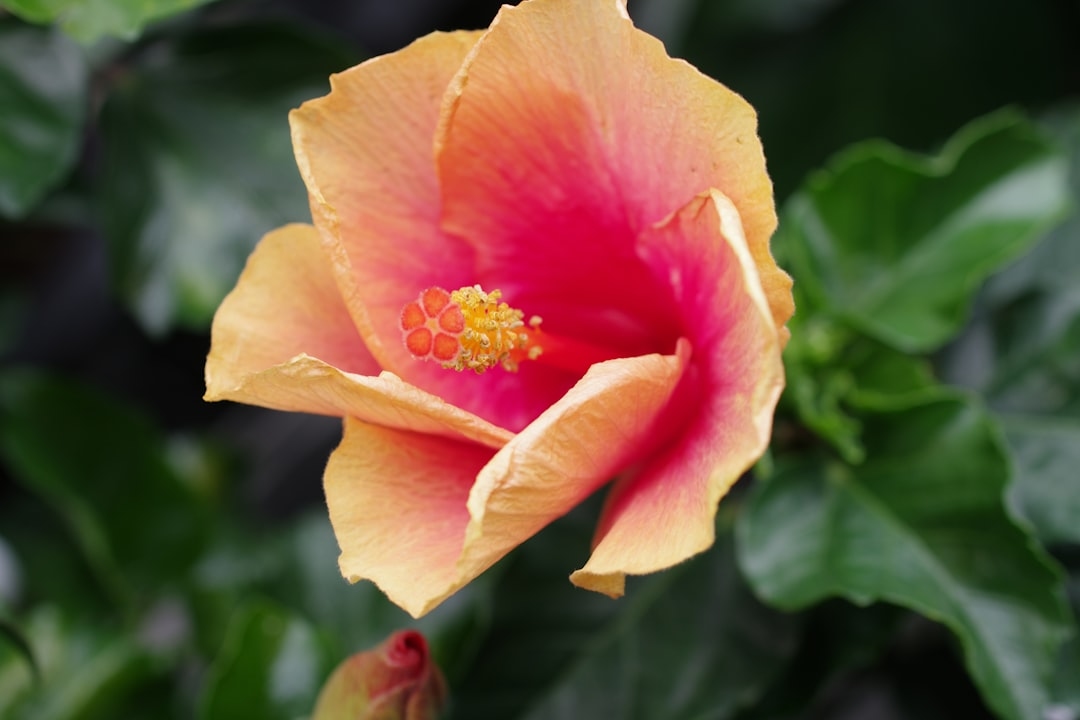
Tropical hibiscus (H. rosa-sinensis) is what you’ll find at most garden centers in hanging baskets or colorful pots near the entrance. Native to Asia, it thrives in USDA Zones 9 through 12 and loves heat, humidity, and full sun. In frost-free climates like Southern Florida, Southern California, and Hawaii, it grows as a woody shrub or small tree — sometimes reaching 15 feet tall.
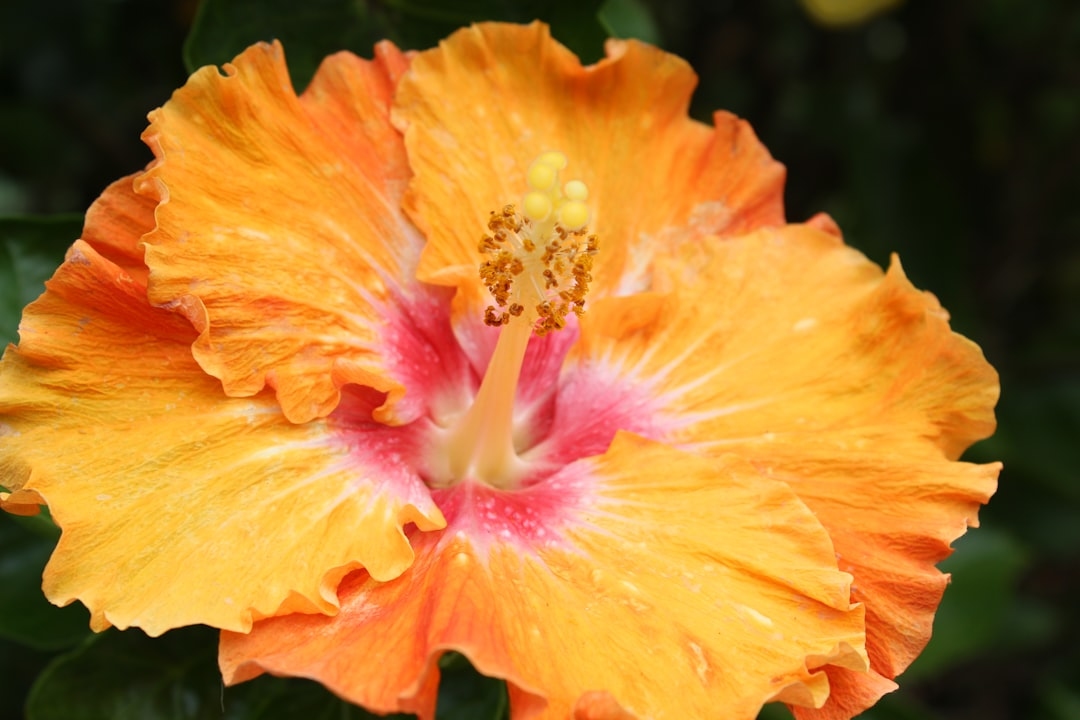
The blooms are slightly smaller than hardy varieties, typically 4 to 8 inches across, but they come in a dazzling range of colors: orange-red, salmon, yellow, peach, bi-colored, and even near-black. Unlike their hardy cousins, tropical hibiscus blooms almost continuously when conditions are right. Individual flowers still last only a day, but a healthy plant can push out new blooms daily for months.
In cooler climates (Zones 4–8), tropical hibiscus is grown as an annual or brought indoors for winter. It will not survive a hard freeze.
Regional Growing Guide: Hardy vs. Tropical Across the US
Where you live dramatically shapes which hibiscus will thrive — and how much work you’ll put in. Here’s a regional breakdown to point you in the right direction.
Northeast (Zones 4–6): Go Hardy, Go Bold
Gardeners in New England, New York, Pennsylvania, and neighboring states should lean into hardy hibiscus without hesitation. H. moscheutos cultivars like ‘Summer Storm’ (deep burgundy foliage, pink blooms) and ‘Cranberry Crush’ (rich red flowers) are bred for exactly this climate. Plant them in full sun with consistently moist soil — near a downspout or rain garden works beautifully — and they’ll reward you with spectacular late-summer color.
Tropical hibiscus can be grown here, but treat it as a container plant you’ll bring inside by mid-October. Give it a sunny south-facing window and reduce watering over winter to keep it dormant until spring.
The South (Zones 7–10): The Best of Both Worlds
From Virginia down through Texas and across the Gulf Coast, you’re in prime hibiscus territory. Hardy varieties perform excellently here — they’ll often bloom from June through October rather than the shorter window seen up North. Tropical hibiscus grown in the ground can survive winters in much of Zone 9 with minimal protection, and in Zone 10 (South Florida, coastal Louisiana), it essentially never stops blooming.
In Zone 7 and 8 areas like Georgia, Alabama, and the Carolinas, tropical hibiscus grown in pots can be left outdoors from April through November. Just bring them in before the first frost, typically late November in most of these areas.
West Coast (Zones 8–11): Tropical Hibiscus Heaven
Southern California is arguably the best place in the continental United States to grow tropical hibiscus in the ground. San Diego and Los Angeles gardeners can plant H. rosa-sinensis as a permanent landscape shrub with almost no winter protection needed. The mild, frost-light winters and warm summers mimic the plant’s native habitat closely enough that it often blooms 10 to 11 months of the year.
Northern California (Zones 8–9b) is slightly trickier. Frost can hit the Bay Area and Sacramento Valley in December and January, so containerized tropical hibiscus is a safer bet for Zones 8 and lower. Hardy hibiscus also grows well throughout the Pacific Northwest in Zones 6–8, though it appreciates some afternoon shade during the hottest summer weeks in Portland and Seattle.
Hibiscus Care Guide: Sun, Soil, and Water Basics
Good news: hibiscus is not a diva. Give it the right conditions upfront and it’s remarkably self-sufficient. Here are the non-negotiables.
Sunlight Requirements
Both hardy and tropical hibiscus are full-sun plants. Aim for a minimum of 6 hours of direct sunlight daily — 8 hours is better. Less than 6 hours and you’ll get leggy stems, sparse blooms, and a plant that looks perpetually tired. If you’re planting near a structure, south- or west-facing exposures are typically best.
Soil: Drainage Matters More Than Richness
Hardy hibiscus tolerates — and actually prefers — moist, slightly acidic soil with a pH between 6.0 and 6.8. It naturally grows near ponds and stream banks, so clay-heavy soils that retain moisture aren’t necessarily a problem. However, standing water for prolonged periods will cause root rot, so some drainage is still required.
Tropical hibiscus prefers well-draining, slightly sandy loam. When planting in containers, use a high-quality potting mix amended with 20 to 30 percent perlite to improve drainage. Avoid heavy garden soil in pots — it compacts quickly and suffocates roots.
Watering: Consistent but Not Waterlogged
Hardy hibiscus is more drought-tolerant once established but performs best with consistent moisture, especially during its July–September bloom peak. During hot, dry spells, aim for about 1 inch of water per week through rainfall or irrigation.
Tropical hibiscus is thirstier. Container-grown plants in full sun may need daily watering during summer heat waves. A good rule: stick your finger 2 inches into the soil. If it’s dry, water thoroughly. If it’s still moist, wait. Inconsistent watering — swinging between bone dry and waterlogged — triggers bud drop, which is one of the most frustrating problems tropical hibiscus growers face.
Fertilizing Hibiscus for Maximum Blooms
Hibiscus is a heavy feeder, and skimping on fertilizer is a fast track to minimal flowers. The key is using the right nutrient ratio.
Look for fertilizers with a middle number (phosphorus) that is equal to or lower than the first and third numbers. A formula like 17-5-24 or 10-4-12 works well for both types. High-phosphorus fertilizers (like classic 10-30-10 bloom boosters) can actually inhibit flowering in hibiscus — counterintuitive but true.
For hardy hibiscus in the ground, fertilize with a balanced slow-release granular fertilizer once in early spring when growth emerges, then again in late June. One application of a water-soluble fertilizer mid-season can give an extra bloom boost.
Tropical hibiscus in containers benefits from weekly feeding with a diluted water-soluble fertilizer during the growing season (April through September). Cut back to monthly in winter if you’re keeping the plant indoors.
Pruning, Overwintering, and Seasonal Care
Pruning Hardy Hibiscus
In fall, after the first hard frost kills back the foliage, you can cut hardy hibiscus stems down to about 6 inches from the ground — or simply leave them standing over winter to provide structure and wildlife habitat. Either approach works fine. In spring, new growth emerges from the crown, not the old stems, so don’t wait for green to appear on the stalks before cutting them back. They won’t re-leaf. Cut them away and watch the soil level for emerging burgundy or green shoots.
Pruning Tropical Hibiscus
Tropical hibiscus blooms on new wood, so regular pruning encourages more flowers. Pinch back branch tips by 2 to 4 inches every 4 to 6 weeks during the growing season to promote branching and more bloom sites. For a harder annual pruning, cut the plant back by one-third to one-half in late winter or early spring before new growth begins.
Overwintering Tropical Hibiscus in Cold Climates
Bring tropical hibiscus indoors before nighttime temperatures consistently drop below 50°F — in most of the Northeast and Midwest, that means early to mid-October. Before bringing it inside, inspect carefully for pests (spider mites and whiteflies are common hitchhikers), treat if needed, and place the plant in your brightest window.
Expect significant leaf drop as the plant adjusts to indoor conditions. This is normal and not a death sentence. Reduce watering and hold off on fertilizer until late February or March when light levels increase and you’re ready to encourage new growth.
Common Hibiscus Problems and How to Fix Them
Yellow Leaves
The most common complaint from new hibiscus growers. Yellow leaves can signal overwatering, underwatering, low humidity (for tropicals), iron deficiency, or simply the plant dropping older inner leaves as it matures. Start by checking soil moisture before assuming anything else. If moisture is fine, try a foliar spray of liquid iron or a chelated iron soil drench to address potential micronutrient deficiency.
Bud Drop on Tropical Hibiscus
Buds that form but then fall off before opening are almost always caused by inconsistent watering, sudden temperature changes, or low light. Moving a plant from a bright outdoor setting to an indoor one is a classic trigger. Give the plant a week or two to acclimate; buds may still drop initially, but new ones should form once the plant stabilizes.
Pests: The Usual Suspects
Aphids, spider mites, and whiteflies are the three most common hibiscus pests. A strong blast from a garden hose handles aphids on outdoor plants most of the time. For spider mites (look for fine webbing and stippled leaves), neem oil or insecticidal soap applied every 5 to 7 days for three treatments usually clears the infestation. Sticky yellow traps help monitor and reduce whitefly populations on container plants.
Choosing Hibiscus for Events and Special Occasions
Here’s something worth knowing if you’re planning around hibiscus blooms: timing is everything, and different varieties give you different seasonal windows.
Hardy hibiscus peaks in late summer — most cultivars reach their bloom zenith between late July and early September. If you’re planning an outdoor wedding, garden party, or late-summer event in the Northeast or Midwest, planting hardy hibiscus the previous year means you’ll have established plants producing dozens of blooms right when you need them. The ‘Luna’ series is especially popular for event gardens because its compact size (2 to 3 feet) makes it easy to incorporate into designed beds without overwhelming a space.
For spring or early-summer events in Zones 9 and above, tropical hibiscus in large decorative containers offers flexibility — you can position them exactly where you need color and move them post-event.
One reader — a gardener in suburban Nashville — shared a story that really captures this well. She was planning an outdoor rehearsal dinner for late August and wanted a “lush tropical feel” without spending a fortune on cut flowers. She planted six ‘Plum Crazy’ hardy hibiscus along her fence line the previous October and completely forgot about them through the winter. By August, each plant was over 5 feet tall and loaded with enormous deep-plum and white blooms. Her guests assumed she’d hired a professional landscaper. Total investment: under $60 in plants and a bag of slow-release fertilizer.
Cut hibiscus flowers are beautiful but fleeting — they last only one day in a vase. For event decorations requiring cut flowers, harvest blooms early in the morning before they fully open. They’ll last through an evening event. For longer-lasting arrangements, work with a florist who can source tropical hibiscus from commercial growers, where blooms are often treated for extended vase life.
Hibiscus Varieties Worth Knowing by Name
Hardy Hibiscus Standouts
- ‘Cranberry Crush’ — Deep cranberry-red blooms up to 9 inches wide; compact at 3 to 4 feet. Excellent for Zones 4–9.
- ‘Summer Storm’ — Striking dark burgundy foliage with large pink blooms; adds contrast even when not in flower.
- ‘Kopper King’ — Coppery-bronze foliage with enormous white to pale pink flowers up to 12 inches across.
- ‘Luna Red’ — Dwarf variety at 2 to 3 feet; perfect for containers or small-space gardens.
- ‘Berry Awesome’ — Deeply cut foliage gives a maple-leaf appearance; lavender-pink flowers with a prominent red eye.
Tropical Hibiscus Standouts
- ‘El Capitolio’ (aka ‘Spanish Shawl’) — Classic orange-red with spectacular ruffled petals.
- ‘Seminole Pink’ — One of the most reliable bloomers for Southern gardens; single salmon-pink flowers.
- ‘Painted Lady’ — Yellow blooms with a deep red eye; highly heat-tolerant.
- ‘Brilliant’ — Bright scarlet single blooms; compact growth habit great for containers.
- ‘Fiesta’ — Double-petaled orange and yellow blooms with excellent shelf life compared to most tropicals.
Quick-Reference Care Comparison Table
Use this at-a-glance summary when deciding which type fits your needs:
- Hardiness: Hardy Hibiscus — Zones 4–9 | Tropical Hibiscus — Zones 9–12 (annual elsewhere)
- Bloom size: Hardy — up to 12 inches | Tropical — 4 to 8 inches
- Bloom season: Hardy — July to September | Tropical — year-round in warm climates
- Height: Hardy — 3 to 8 feet | Tropical — 2 to 15 feet depending on climate
- Winter behavior: Hardy — dies to ground, re-sprouts in spring | Tropical — must be brought inside or treated as annual
- Best use: Hardy — permanent landscape plant | Tropical — container plant or permanent in Zones 9+
- Water needs: Hardy — moderate to high | Tropical — high, especially in containers
Frequently Asked Questions About Hibiscus
How do I know if my hibiscus is hardy or tropical?
Check the leaves. Hardy hibiscus (H. moscheutos) has large, soft, slightly fuzzy leaves with a heart-shaped base, and stems die back completely each winter. Tropical hibiscus (H. rosa-sinensis) has glossy, dark green leaves with serrated edges and keeps its woody stems year-round in warm climates. If you bought it at a grocery store or big-box retailer in a decorative pot, it’s almost certainly tropical.
Why are my hibiscus buds falling off before they open?
Bud drop is almost always caused by one of three things: inconsistent watering (let the soil dry out completely between waterings, then suddenly drench it), a sudden change in environment (like moving the plant indoors), or low light. Stabilize the plant’s conditions — consistent moisture, warm temperatures above 60°F, and bright light — and new buds should develop and open successfully within a few weeks.
Can I grow hibiscus in a container in Zone 5?
Yes, with a plan. Tropical hibiscus grows beautifully in containers all summer in Zone 5. Bring it inside by early October when nights drop below 50°F, place it in a bright south-facing window, reduce watering, and stop fertilizing until late winter. Hardy hibiscus can also be grown in large containers (minimum 15-gallon) in Zone 5 but needs to be overwintered in an unheated but frost-free garage or shed, since container roots are more vulnerable to freeze damage than in-ground roots.
How long do hibiscus flowers last?
Individual hibiscus flowers last only one day — they open in the morning and close or drop by evening. However, a healthy, established plant produces a continuous succession of new buds throughout the bloom season. A mature hardy hibiscus can have 50 to 100 or more buds at various stages at peak season. Tropical hibiscus in warm climates can bloom nearly every day of the year.
What is the best fertilizer for hibiscus?
Use a fertilizer with a high first number (nitrogen) and high third number (potassium), but a low middle number (phosphorus). A ratio like 17-5-24 or 10-4-12 is ideal. High-phosphorus fertilizers — despite being marketed as “bloom boosters” — can actually reduce flowering in hibiscus. During the growing season, feed container tropical hibiscus weekly with a water-soluble formula diluted to half strength, and in-ground hardy hibiscus monthly with a slow-release granular.
Planning Your Hibiscus Garden: Next Steps
Now that you know the difference between hardy and tropical hibiscus, picked up the core care principles, and have a shortlist of varieties to consider, the next move is matching the plant to your specific goals.
If you’re in Zones 4 through 7 and want a no-fuss, spectacular late-summer display — plant a hardy hibiscus this spring. Get it in the ground by late May, give it full sun and consistent moisture, and you’ll be rewarded with dinner-plate blooms by mid-July. For event planners and gardeners in warmer zones looking for continuous color, a tropical hibiscus in a large decorative container gives you flexibility and portability.
Visit your local independent garden center (not just the big-box stores) to find regionally appropriate varieties. Nurseries in the Southeast often carry tropical cultivars that are acclimated to local humidity. Nurseries in the Midwest and Northeast tend to stock the hardiest moscheutos selections bred to re-emerge reliably after cold winters. The staff there can tell you which specific cultivars have performed well in your exact area — and that local knowledge is worth more than any generalized guide, including this one.
Start with one plant. See what it does. Then buy six more. That’s how most hibiscus obsessions begin.