Contents:
- Understanding Lilacs: Background and Basics
- What Lilacs Need to Thrive
- The Lilac Care Guide: Seasonal Maintenance Calendar
- Spring: Bloom Season and Deadheading
- Early Summer: The Pruning Window
- Rejuvenation Pruning for Neglected Shrubs
- Fall and Winter: Hands Off
- How to Propagate Lilacs: Three Reliable Methods
- Softwood Cuttings (Late Spring to Early Summer)
- Suckers (Any Time During Growing Season)
- Layering (Spring Through Summer)
- Best Lilac Varieties for American Gardens
- Classic Varieties Worth Planting
- Compact and Dwarf Varieties for Small Spaces
- Extended Bloom Season Varieties
- Lilacs for Events: Cut Flowers, Costs, and Planning
- Cut Flower Performance
- Cost Breakdown: Buying vs. Growing Your Own
- Troubleshooting Common Lilac Problems
- No Blooms
- Powdery Mildew
- Bacterial Blight
- Lilac Borers
- Planting a New Lilac: Step-by-Step
- Best Time to Plant
- Planting Steps
- Practical Tips for Growing Better Lilacs
- Frequently Asked Questions About Lilac Care
- When is the best time to prune lilacs?
- Why won’t my lilac bloom?
- How long do lilac bushes live?
- Can lilacs grow in pots or containers?
- How do I make cut lilacs last longer in a vase?
- Are lilacs deer-resistant?
You’ve fallen for lilacs — and honestly, who could blame you? But if you’ve ever watched a neighbor’s shrub explode into clouds of violet bloom while yours sulked silently through spring, this lilac care guide is exactly what you’ve been looking for. Lilacs are not fussy plants, but they do have opinions. Learn what they want, and you’ll be rewarded with fragrant flower clusters that can stop a person mid-step from 20 feet away.
Whether you’re planning a spring wedding and scouting flowers that scream romance on a reasonable budget, or you simply want to transform a bare fence line into something spectacular, lilacs deliver. They’re hardy, long-lived (some specimens have been blooming for over 100 years), and remarkably low-maintenance once established. The challenge is getting them to that point — and avoiding the common mistakes that keep gardeners waiting years for blooms that never come.
Understanding Lilacs: Background and Basics
Lilacs belong to the genus Syringa, a member of the olive family (Oleaceae). Native to the rocky hills of the Balkans and widely naturalized across North America, they’ve been cultivated in American gardens since colonial times. George Washington and Thomas Jefferson both grew them at their estates — which tells you something about their staying power as a garden staple.
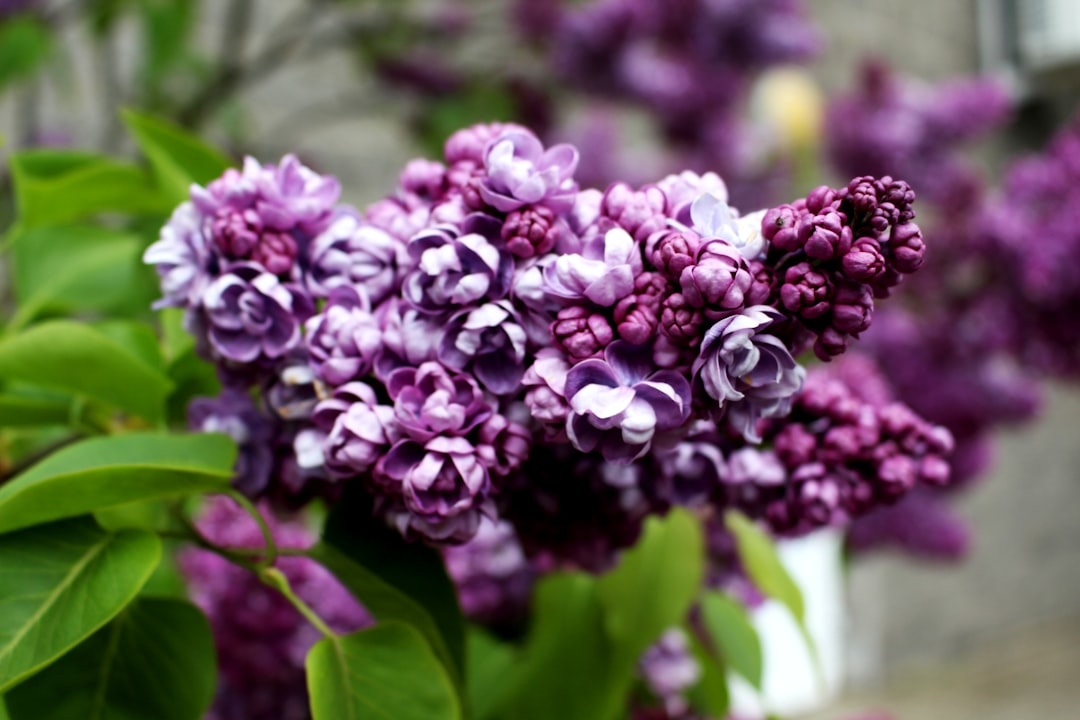
There are roughly 12 species and hundreds of cultivars available today, ranging from compact 4-foot dwarf shrubs to towering 15-foot specimens. Most bloom in spring for a glorious two to three weeks, though with strategic variety selection, you can extend that window to six weeks or more. Flowers come in purple, lavender, white, pink, magenta, and even near-yellow shades depending on the cultivar.
Lilacs thrive in USDA Hardiness Zones 3 through 7. They need cold winters — specifically, a sustained period of temperatures below 45°F to break dormancy and trigger flowering. This is why lilacs struggle in the Deep South and much of California but absolutely dominate in the Upper Midwest, New England, and the Pacific Northwest.
What Lilacs Need to Thrive
- Sunlight: Minimum 6 hours of direct sun per day. Less sun means fewer blooms, not zero blooms — but you’ll notice the difference.
- Soil: Well-drained, slightly alkaline soil with a pH of 6.5 to 7.0. Heavy clay or waterlogged soil will slowly kill them.
- Watering: About 1 inch per week during the first two growing seasons. Established plants are drought-tolerant.
- Air circulation: Lilacs are prone to powdery mildew. Proper spacing (at least 5 feet between plants) dramatically reduces the problem.
The Lilac Care Guide: Seasonal Maintenance Calendar
Caring for lilacs is less about intensive effort and more about doing the right things at the right times. Miss the pruning window by a few weeks and you’ll accidentally cut off next year’s buds. Fertilize with the wrong product and you’ll get lush green leaves and zero flowers. Timing is everything.
Spring: Bloom Season and Deadheading
Once your lilacs start blooming — usually April through May depending on your zone and cultivar — resist the urge to do anything drastic. This is a time to enjoy, not intervene. That said, deadheading spent flower clusters (called panicles) right after they fade can redirect the plant’s energy toward next year’s flower bud development. Use clean, sharp pruners. Cut the faded cluster back to the first set of leaves, being careful not to nick the small buds already forming just below the cut.
Spring is also a good time to apply a thin layer of compost around the root zone — about 2 inches, keeping it away from the main stems. Skip high-nitrogen fertilizers entirely. Too much nitrogen is the number-one reason otherwise healthy lilacs refuse to bloom.
Early Summer: The Pruning Window
Here’s the rule that every lilac grower needs to tattoo somewhere memorable: prune lilacs within 2 to 3 weeks after they finish blooming. That’s your window. After that, the shrub begins setting buds for next spring, and any pruning after mid-July in most zones removes those buds along with the branches.
For routine maintenance pruning, focus on:
- Removing dead, damaged, or crossing branches at their base.
- Cutting out any suckers (shoots coming up from the roots or soil around the base).
- Thinning out older, thick stems to improve light penetration into the center of the plant.
A good rule of thumb from horticulturist Dr. Margaret Holloway, Extension Master Gardener and faculty at the University of Vermont’s Plant and Soil Science department: “Never remove more than one-third of a lilac’s total mass in a single season. If your shrub has become a tangled mess, plan a three-year renovation instead of a single aggressive cutback. Lilacs forgive patience. They don’t forgive impatience.”
Rejuvenation Pruning for Neglected Shrubs
Old, overgrown lilacs — the kind you find at the edge of a property that hasn’t been touched in decades — can be brought back to productive life through rejuvenation pruning. The most effective approach is the three-year method:
- Year 1: Remove one-third of the oldest, thickest stems (those over 2 inches in diameter) right to the ground immediately after blooming.
- Year 2: Remove another third of the old stems, plus any weak new growth that emerged from Year 1 cuts.
- Year 3: Remove the final third of old stems. By now, vigorous new growth should be taking over.
The tradeoff: you’ll see reduced blooming during the renovation years. But the resulting plant — open, well-structured, producing flowers at eye level rather than 12 feet overhead — is worth every skipped spring.
Fall and Winter: Hands Off
Fall is not the time to prune, fertilize, or otherwise disturb lilacs. The plant is preparing for dormancy and hardening off its tissue against cold temperatures. Any pruning now removes next year’s buds, and any fertilizing encourages soft new growth that will be killed by frost. The best thing you can do for your lilac in fall is mulch the root zone with 3 inches of wood chips to protect the roots, and leave the rest alone.
How to Propagate Lilacs: Three Reliable Methods
Propagating lilacs is genuinely satisfying — and it’s a great way to expand your planting, share plants with friends, or replace an aging specimen with a younger one. There are three main methods, each with its own sweet spot depending on the time of year and your patience level.
1. Softwood Cuttings (Late Spring to Early Summer)
This is the most reliable method for home gardeners. Take 4- to 6-inch cuttings from new growth in late May or June — stems that are green and flexible, not yet hardened into woody tissue. Strip the lower leaves, dip the cut end in rooting hormone powder, and plant in a mix of 50% perlite and 50% peat moss. Cover with a plastic dome or clear bag to maintain humidity, and place in bright indirect light. Expect roots in 6 to 8 weeks. Success rates with rooting hormone hover around 50 to 70%, so take several cuttings to improve your odds.
2. Suckers (Any Time During Growing Season)
Many lilac shrubs send up suckers — young shoots that emerge from the roots or from around the base of the plant. If your lilac is growing on its own roots (not grafted), these suckers are genetically identical to the parent and can be dug up and transplanted. Use a sharp spade to sever the sucker from the parent plant, making sure you get a generous section of root attached. Pot it up or plant it directly in its new location, water well, and keep it consistently moist through its first summer.
Important caveat: Many commercially sold lilacs are grafted onto privet or other rootstock. Suckers from a grafted plant will produce the rootstock species, not the desirable cultivar on top. If you’re not sure whether your plant is grafted, check at the base — a visible graft union (a swollen, angled junction just above the soil line) is a clear sign.
3. Layering (Spring Through Summer)
Layering is the slowest but arguably the easiest method — it requires almost no skill and has a very high success rate. Select a long, flexible young branch and bend it down to the ground. Wound the underside of the stem where it touches the soil (a shallow 1-inch cut works well), dust with rooting hormone, then bury that section under 3 to 4 inches of soil, leaving the tip exposed. Pin it in place with a U-shaped stake or a rock. By the following spring, the buried section should have rooted. Sever it from the parent plant and transplant the following fall or the spring after that.
Best Lilac Varieties for American Gardens
With hundreds of cultivars on the market, choosing can feel overwhelming. Here are some of the best performers across different garden needs — selected for bloom quality, disease resistance, and availability at US nurseries.
Classic Varieties Worth Planting
- ‘Charles Joly’ (Syringa vulgaris): Deep magenta-purple double blooms, intensely fragrant. Grows 8 to 12 feet. One of the most commonly available heirloom cultivars and still one of the best. Zones 3–7.
- ‘Madame Lemoine’ (Syringa vulgaris): Pure white double flowers with exceptional fragrance. Introduced in 1890 and still widely planted. Grows 10 to 12 feet. Zones 3–7.
- ‘Sensation’ (Syringa vulgaris): The standout of the group — purple florets edged in white, creating a striking bicolor effect. Grows 8 to 10 feet. Zones 3–7.
Compact and Dwarf Varieties for Small Spaces
- ‘Palibin’ Korean Lilac (Syringa meyeri): Tops out at 4 to 5 feet, produces rosy-pink flowers in late May. Excellent disease resistance, no suckering. Perfect for borders or containers. Zones 3–7.
- ‘Tinkerbelle’ (Syringa × ‘Bailbelle’): Compact habit (5 to 6 feet), spicy-fragrant deep pink flowers, and exceptional powdery mildew resistance. One of the best introductions of the last 30 years. Zones 3–7.
- ‘Miss Kim’ (Syringa pubescens subsp. patula): Icy lavender-blue flowers, wonderful fall foliage that turns burgundy-red. Grows 4 to 9 feet. Among the most reliable bloomers in Zone 7. Zones 3–8.
Extended Bloom Season Varieties
For gardeners who want more than two weeks of lilac season, these varieties bloom later than the common lilac and can extend your display well into June:
- Japanese tree lilac (Syringa reticulata): Blooms in late June through early July — a full month after common lilacs. Grows as a multi-stem large shrub or small tree (up to 25 feet). Creamy white panicles up to 12 inches long. Zones 3–7.
- Preston lilac hybrids (Syringa × prestoniae): A group of late-blooming hybrids (late May through June) in shades from pink to deep reddish-purple. ‘Donald Wyman’ and ‘James MacFarlane’ are two standout cultivars. Very cold-hardy to Zone 2.
Lilacs for Events: Cut Flowers, Costs, and Planning
If you’re researching lilacs for a specific event — particularly a spring wedding or garden party — there are a few practical realities worth knowing before you commit.

Cut Flower Performance
Lilacs are notoriously finicky as cut flowers. Out of water, they wilt within a few hours. With proper conditioning, they’ll last 5 to 7 days in a vase. The key is harvesting at the right stage: cut stems when about half the florets in a cluster have opened, immediately place them in warm water, and crush or split the bottom 2 inches of the woody stem to increase water uptake. Recut stems underwater to prevent air bubbles, and change the water daily.
Florist Renata Solis, owner of Solis Floral Design in Portland, Oregon and a Certified Floral Designer (CFD) with 18 years of experience, recommends a cold conditioning trick: “After harvesting, place lilac stems in a bucket of cool water and put them in a cool location — around 40°F — overnight before arranging. That extra conditioning step adds two to three days of vase life and makes a significant difference for event flowers.”
Cost Breakdown: Buying vs. Growing Your Own
For a spring event, understanding the cost difference between sourcing cut lilacs commercially and growing your own is genuinely useful:
- Wholesale cut lilacs: $1.50 to $3.00 per stem from floral wholesalers, with a typical bunch of 10 stems running $15 to $30. Availability is seasonal (April–May) and limited — lilacs don’t ship as well as roses.
- Retail cut lilacs: $8 to $15 per bunch at farmers markets or specialty florists during peak season. In off-season months, expect to pay significantly more if you can find them at all, sourced from specialty growers in California or imported from overseas.
- Buying a lilac shrub: $25 to $60 for a 2- to 3-gallon container plant at most US garden centers. Premium named cultivars from specialty nurseries can run $75 to $120. A single established shrub can produce 30 to 60 cut stems per season once it reaches maturity (typically 3 to 5 years after planting).
- Event planning tip: If your event is 2 to 3 years out, planting even four to six fast-establishing shrubs like ‘Palibin’ or ‘Miss Kim’ now can provide a meaningful supply of free cut flowers by event time.
Troubleshooting Common Lilac Problems
Lilacs are tough, but they’re not bulletproof. Here’s how to diagnose and address the most common issues.
No Blooms
This is the most common complaint, and it almost always has one of five causes:
- Too much shade: Even 30% shade can halve flowering. Assess sun exposure honestly.
- Pruned at the wrong time: Late-summer or fall pruning removes next year’s buds. Stick to the post-bloom window.
- Too much nitrogen: Lawn fertilizer runoff is a common culprit. Test your soil if you’re unsure.
- Plant is too young: Most lilacs don’t bloom reliably until their third or fourth year. Grafted plants may bloom in years one or two; own-root plants take longer.
- Wrong climate: If you’re in Zone 8 or warmer, try a low-chill variety like ‘Lavender Lady’ (Syringa vulgaris), which was bred specifically for mild-winter areas.
Powdery Mildew
That white powdery coating on lilac leaves in late summer is powdery mildew — a fungal problem that looks alarming but rarely kills the plant. It’s almost exclusively cosmetic. Improving air circulation through pruning is the best long-term solution. If you want to treat it actively, neem oil or a diluted baking soda spray (1 tablespoon per gallon of water) applied in early morning can slow its spread. Choosing mildew-resistant cultivars like ‘Miss Kim’ or ‘Tinkerbelle’ solves the problem before it starts.
Bacterial Blight
Bacterial blight (Pseudomonas syringae) causes brown, water-soaked spots on young leaves and shoots in spring, often following cool, wet weather. Infected shoots die back quickly. Prune out affected tissue at least 6 inches below visible symptoms, sterilizing your pruners between cuts with 70% isopropyl alcohol. Destroy (don’t compost) infected material. Copper-based fungicides applied in early spring can offer some protection if blight is a recurring issue in your garden.
Lilac Borers
The lilac borer (Podosesia syringae) is a clearwing moth whose larvae tunnel into woody stems, causing dieback and structural weakness. Look for small holes with sawdust-like frass at the base of stems and sudden wilting of individual branches. The best control is preventive: keep plants healthy and avoid wounding stems during maintenance (borers are attracted to fresh wounds). Prune out and destroy affected branches. Permethrin-based insecticides applied to trunk and major stems in late April through May, when adults are active and laying eggs, can reduce infestations.
Planting a New Lilac: Step-by-Step
Getting the planting right pays dividends for decades. Lilacs are long-lived — a well-sited plant can outlive the gardener who planted it — so spending extra time on soil preparation is always worth it.
Best Time to Plant
Early fall (September through October) is ideal in most US zones, giving the plant time to establish roots before winter. Spring planting (after last frost through early May) works well too. Avoid planting in summer heat.
Planting Steps
- Test your soil pH. Lilacs prefer 6.5 to 7.0. If your soil is acidic (common in the Northeast and Pacific Northwest), incorporate ground limestone at the rate specified by your soil test results — typically 5 to 10 pounds per 100 square feet for sandy soils, up to 15 pounds for clay.
- Dig a hole twice as wide as the root ball and no deeper than its height. Planting too deep is a common mistake that can prevent blooming and cause long-term decline.
- Amend the backfill. Mix the removed soil with compost at a 3:1 ratio. Avoid peat moss, which can acidify the soil over time.
- Position the plant. The graft union (if present) should sit 2 inches above the soil surface. Own-root plants should sit at the same depth they were growing in the container.
- Water deeply immediately after planting — 2 to 3 gallons — and maintain consistent moisture for the first growing season.
- Mulch the root zone with 3 inches of wood chips, keeping mulch 4 inches away from the main stems to prevent rot and rodent damage.
Practical Tips for Growing Better Lilacs
- Use a phosphorus-forward fertilizer if you need to feed at all. A 5-10-10 blend applied in early spring encourages flower bud development without the excessive leaf growth that nitrogen-heavy products cause. Most established lilacs in reasonable soil need no supplemental fertilizer at all.
- Group lilacs for visual impact and fragrance concentration. A planting of three different cultivars with staggered bloom times — say ‘Charles Joly’ (early), ‘Miss Kim’ (mid), and a Preston hybrid (late) — gives you almost six weeks of color.
- Plant near a window or outdoor seating area. Lilac fragrance is most intense on warm, still afternoons. Positioning the shrub where its scent can drift indoors or over a patio is a small decision that makes a significant difference in how much you enjoy the plant.
- Avoid planting near black walnut trees. Black walnuts produce juglone, a chemical that is toxic to many plants, including lilacs.
- Mark your pruning window on the calendar now. Seriously — set a reminder for two weeks after your lilac’s expected bloom date. It’s too easy to forget, and missing that window means waiting another full year.
Frequently Asked Questions About Lilac Care
When is the best time to prune lilacs?
Prune lilacs immediately after they finish blooming in spring, within a 2- to 3-week window following bloom. This is typically late May to mid-June depending on your zone. Pruning later removes the flower buds that are forming for next year’s bloom.
Why won’t my lilac bloom?
The most common reasons a lilac won’t bloom are insufficient sunlight (less than 6 hours daily), pruning at the wrong time of year, too much nitrogen fertilizer, or a plant that is simply too young. Most lilacs require 3 to 5 years to bloom reliably after planting.
How long do lilac bushes live?
Lilacs are exceptionally long-lived shrubs. Many well-maintained specimens survive 100 years or more. With periodic rejuvenation pruning every 10 to 15 years, a lilac can remain productive and attractive for generations.
Can lilacs grow in pots or containers?
Compact dwarf cultivars like ‘Palibin’ or ‘Tinkerbelle’ can be grown in large containers (minimum 20-gallon size) with success. Full-size varieties are not well suited to containers. Container-grown lilacs need excellent drainage, consistent watering, and should be moved to a sheltered but cold location in winter to meet their chilling requirement.
How do I make cut lilacs last longer in a vase?
To extend vase life, cut stems when about half the florets are open, crush or split the bottom 2 inches of the stem to improve water uptake, and condition stems in cool water (around 40°F) overnight before arranging. Change vase water daily. With proper conditioning, cut lilacs last 5 to 7 days.
Are lilacs deer-resistant?
Lilacs have moderate deer resistance. Mature woody stems are generally left alone, but young plants and new succulent spring growth can attract deer in areas with high deer pressure. Protecting new plantings with physical barriers or deer repellent sprays during their first two to three years is advisable in deer-heavy landscapes.
Lilacs reward the gardener who pays attention to timing — in pruning, in planting, and in variety selection. Plant a thoughtful combination of early, mid, and late-season cultivars this fall, mark your post-bloom pruning window on next year’s calendar, and you’ll be cutting armfuls of fragrant stems for every spring occasion for decades to come. The 100-year lilac bush at the corner of an old farmhouse didn’t get there by accident — it got there because someone, a very long time ago, made a few good decisions in a single afternoon.