Contents:
- What Are Black-Eyed Susans? Background and Botanical Basics
- Why Black-Eyed Susans Deserve a Spot in Your Garden
- Choosing the Right Black-Eyed Susan Variety
- Rudbeckia hirta — The Classic Annual/Biennial
- Rudbeckia fulgida — The Dependable Perennial
- Rudbeckia triloba — The Branching Beauty
- Rudbeckia maxima — The Statement Plant
- Complete Black-Eyed Susan Guide: Planting From Seed
- Direct Sowing Outdoors
- Starting Indoors
- Transplanting Nursery Starts
- Soil, Sun, and Site Selection
- Sunlight Requirements
- Soil Preferences
- Spacing
- Watering and Fertilizing: Less Is More
- Fertilizer: Handle With Care
- Pruning, Deadheading, and Season-Long Care
- To Deadhead or Not to Deadhead
- Cutting Back for a Second Flush
- Fall and Winter Maintenance
- Dividing and Propagating Black-Eyed Susans
- Regional Growing Differences Across the US
- Northeast and Midwest (Zones 4–6)
- The South (Zones 7–9)
- The West Coast and Mountain West (Zones 5–10)
- Companion Planting: What Grows Well With Black-Eyed Susans
- Pests and Diseases: What to Watch For
- Powdery Mildew
- Septoria Leaf Spot
- Aphids and Sawfly Larvae
- Deer
- Common Mistakes to Avoid
- Using Black-Eyed Susans as Cut Flowers
- Black-Eyed Susans in Meadow and Naturalized Gardens
- Growing Black-Eyed Susans in Containers
- Where to Buy Black-Eyed Susans (and What to Spend)
- Frequently Asked Questions
- Are black-eyed Susans perennials or annuals?
- How long do black-eyed Susans bloom?
- Do black-eyed Susans spread and become invasive?
- Why are my black-eyed Susans not blooming?
- Can black-eyed Susans grow in clay soil?
- Plan Your Planting: A Simple First-Year Calendar
You’ve driven past a roadside meadow exploding with golden-yellow blooms and thought, I want that in my yard. Those cheerful, dark-centered flowers are almost certainly black-eyed Susans — and the good news is they’re one of the easiest, most rewarding native wildflowers any gardener can grow. This black-eyed susan guide covers everything from seed to spectacular, whether you’re working with a postage-stamp patio or a sprawling backyard, and whether your budget is tight or generous.
What Are Black-Eyed Susans? Background and Botanical Basics
Black-eyed Susans belong to the genus Rudbeckia, a group of flowering plants in the daisy family (Asteraceae) native to North America. The most common species in home gardens is Rudbeckia hirta, a short-lived perennial that behaves as an annual or biennial in many climates. Its cousin Rudbeckia fulgida — particularly the cultivar ‘Goldsturm’ — is a true, long-lived perennial that comes back reliably for 10 years or more.
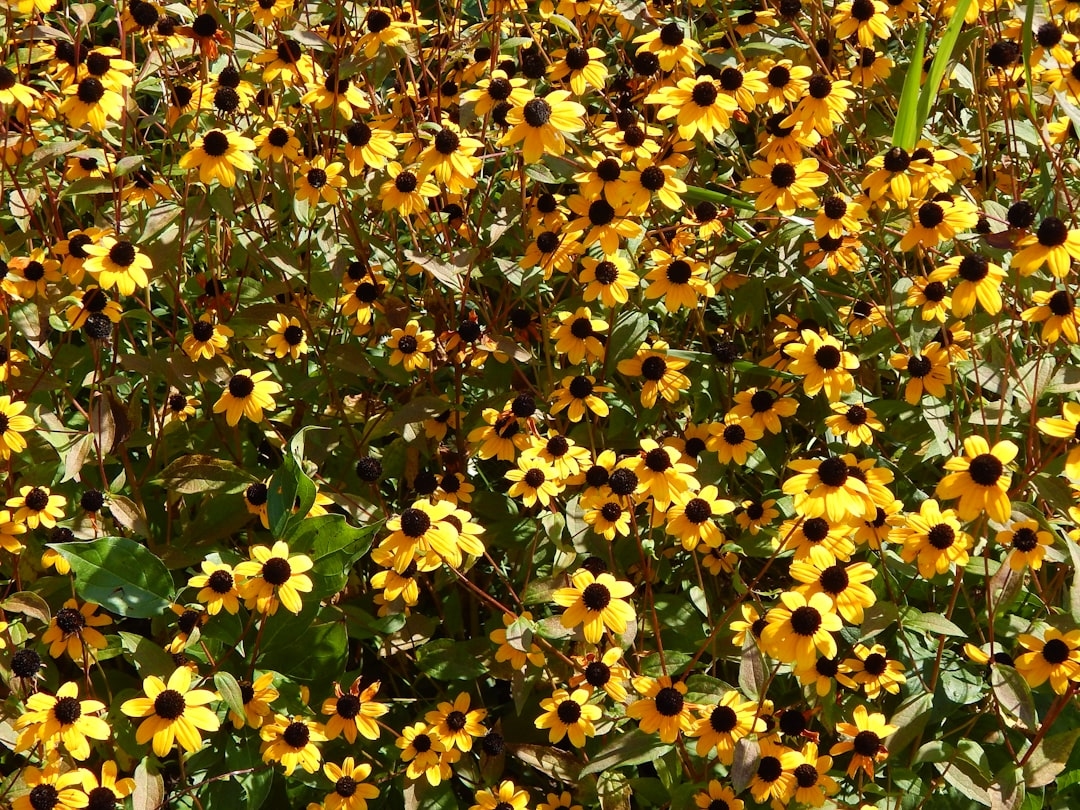
The “black eye” in the name refers to the flower’s dark brown to nearly black central cone, which is actually a cluster of tiny disc florets. Surrounding it are 8 to 20 bright yellow ray petals, though some cultivars reach orange, mahogany, or bicolor tones. Plants typically grow 1 to 3 feet tall, though certain varieties like Rudbeckia maxima can stretch to 6 feet.
Native across most of the continental United States and parts of Canada, black-eyed Susans evolved in prairies, open woodlands, and roadsides — which explains their legendary toughness. They’ve adapted to drought, poor soil, and temperature swings. This isn’t a plant that demands coddling. It rewards neglect almost as much as it rewards attention.
Why Black-Eyed Susans Deserve a Spot in Your Garden
Beyond their looks, these flowers punch way above their weight class in terms of ecological value. Black-eyed Susans are one of the top nectar sources for native bees, including bumblebees and sweat bees. Goldfinches and chickadees actively seek out the seed heads through fall and winter, giving you built-in bird feeding at zero extra cost.
From a budget standpoint, they’re hard to beat. A packet of Rudbeckia hirta seeds typically costs $2 to $4 and contains 200 to 500 seeds. That’s a full wildflower border for the price of a coffee. Established plants self-seed freely, meaning your second year is essentially free. Compare that to annuals you repurchase every spring, and the math gets even more favorable.
They also extend your garden’s color season. Black-eyed Susans bloom from June through October — sometimes longer in warmer climates — bridging the gap between early-summer perennials and fall asters. During those mid-August dog days when most gardens look exhausted, Rudbeckia is still going strong.
Choosing the Right Black-Eyed Susan Variety
Not all black-eyed Susans are the same, and picking the right species or cultivar makes a real difference in how your garden performs year to year.
Rudbeckia hirta — The Classic Annual/Biennial
Rudbeckia hirta is what most people picture: bright yellow daisies on somewhat hairy stems, blooming prolifically from its first year. It’s technically a short-lived perennial but behaves like an annual in colder zones (USDA Zones 3–7) and a biennial where winters are mild. The upside is heavy blooming even in year one from seed. Popular cultivars include:
- ‘Indian Summer’ — large 6-to-9-inch blooms, AAS winner, great for cutting gardens
- ‘Toto’ — compact at 10 to 12 inches tall, ideal for containers and small spaces
- ‘Cherry Brandy’ — deep burgundy-orange petals with the classic dark center, adds drama
- ‘Prairie Sun’ — a green-eyed (not black-eyed) variety with golden 5-inch blooms and exceptional heat tolerance
Rudbeckia fulgida — The Dependable Perennial
Rudbeckia fulgida ‘Goldsturm’ is the perennial workhorse. Hardy in Zones 3–9, it forms a dense clump that expands slowly over time, reaches 24 to 30 inches tall, and blooms from late July through September. It won the Perennial Plant of the Year award from the Perennial Plant Association in 1999 — recognition that still holds up. One plant costs $8 to $15 at a nursery but will spread into a 3-foot clump within 3 to 4 years, making it genuinely cost-effective over time.
Rudbeckia triloba — The Branching Beauty
Rudbeckia triloba (brown-eyed Susan) produces smaller, 1-to-2-inch flowers in enormous quantities on branching stems that reach 3 to 5 feet. It’s a biennial that self-seeds so aggressively it functions like a permanent planting. Plant it once, and it shows up in the same spot — and nearby spots — indefinitely. It’s particularly popular with pollinators because the sheer number of blooms means continuous nectar availability.
Rudbeckia maxima — The Statement Plant
For gardeners who want something architectural, Rudbeckia maxima (great coneflower) grows 4 to 7 feet tall with large, drooping yellow petals around a dramatic elongated dark cone. The blue-green foliage is striking even before bloom. It’s hardy to Zone 5 and looks spectacular at the back of a border or as a naturalized planting near a pond or stream edge.
Complete Black-Eyed Susan Guide: Planting From Seed
Starting from seed is the most budget-friendly approach, and black-eyed Susans are genuinely beginner-friendly in this regard. Seeds require no stratification for Rudbeckia hirta, though cold-treating Rudbeckia fulgida seeds for 4 to 6 weeks in a damp paper towel in the refrigerator improves germination rates significantly.
Direct Sowing Outdoors
The simplest method: scatter seeds directly on the soil surface in early spring (after your last frost date) or in late fall for natural cold stratification. Press seeds lightly into the soil — they need light to germinate and shouldn’t be buried more than ⅛ inch deep. Keep the area consistently moist for the first 2 to 3 weeks. Germination typically occurs in 7 to 21 days at soil temperatures between 65°F and 75°F.
Fall sowing actually mimics the plant’s natural cycle and often produces the most vigorous seedlings. Sow in October or November, let winter do the stratification work, and watch them emerge in spring right on schedule.
Starting Indoors
Start seeds indoors 6 to 8 weeks before your last frost date. Use a well-draining seed-starting mix, sow on the surface, and place trays under grow lights or in a south-facing window. Maintain soil temperature around 70°F. Thin seedlings to one per cell once they reach 2 inches tall. Harden off for 7 to 10 days before transplanting outdoors — skipping this step is one of the most common causes of transplant failure.
Transplanting Nursery Starts
If you’re buying established plants, transplant in spring or early fall. Dig a hole twice as wide as the root ball but no deeper. Water thoroughly at planting, then back off — overwatering young transplants is far more damaging than underwatering once roots are established.
Soil, Sun, and Site Selection
Black-eyed Susans evolved in lean, well-draining soils — prairies and open meadows, not rich bottomlands. This shapes everything about how you should care for them.
Sunlight Requirements
Full sun is ideal: 6 to 8 hours of direct sunlight per day produces the most compact, floriferous plants. They’ll tolerate partial shade (4 to 6 hours), but expect taller, leggier stems that may need staking and noticeably fewer flowers. Deep shade kills them. If you’re gardening in a shaded yard, this isn’t your plant — consider native alternatives like wild blue phlox or woodland asters instead.
Soil Preferences
Average to poor soil is genuinely fine. Loamy, well-drained soil with a pH between 6.0 and 7.0 is ideal, but these plants are remarkably tolerant of clay, sand, and rocky conditions. Rich, heavily amended soil actually works against you: it encourages lush foliage at the expense of blooms and can cause plants to flop. If your soil is extremely compacted clay, work in a 2-inch layer of coarse sand and compost to improve drainage — but don’t go overboard.
One thing they will not tolerate is consistently wet feet. Standing water or poorly draining soil leads to crown rot and root rot within a season. If your garden stays wet, plant on a slight slope or in a raised bed.
Spacing
Space plants 18 to 24 inches apart. This feels wide when you first plant, but black-eyed Susans spread by both rhizomes and self-seeding. Crowding encourages powdery mildew, a common issue particularly in humid climates. Good air circulation is your first line of defense against fungal problems.
Watering and Fertilizing: Less Is More
New transplants and seedlings need consistent moisture — aim for about 1 inch of water per week until established, typically 4 to 6 weeks after planting. After that, established black-eyed Susans are genuinely drought-tolerant. In most regions, rainfall handles most of their water needs. During extended dry spells (3 or more weeks without rain), a deep watering once a week is sufficient.
Avoid overhead watering when possible. Wet foliage sitting overnight is an invitation for powdery mildew and leaf spot. Water at the base of the plant, preferably in the morning.
Fertilizer: Handle With Care
This is where many gardeners overthink things. Black-eyed Susans don’t need regular fertilizing. In average garden soil, they perform well with no supplemental fertilizer at all. If your soil is very sandy and nutrient-poor, a single application of a balanced slow-release fertilizer (like 10-10-10) in early spring is all they need. Using high-nitrogen fertilizers promotes leaf growth over flowers and can make plants top-heavy and prone to flopping.
“I always tell customers to resist the urge to fertilize black-eyed Susans like they would their vegetable garden,” says Dr. Marta Hollenbeck, Certified Professional Horticulturist and extension educator at the University of Wisconsin–Madison. “These are prairie plants. Feed them too well, and they’ll grow tall and floppy instead of producing the compact, flower-covered plants everyone loves.”
Pruning, Deadheading, and Season-Long Care
To Deadhead or Not to Deadhead
Deadheading (removing spent blooms) encourages black-eyed Susans to keep producing flowers rather than setting seed. For Rudbeckia hirta, regular deadheading can extend the bloom season by 4 to 6 weeks. Use clean, sharp scissors or pruners to cut the stem back to a lateral bud or leaf node rather than just pinching off the flower head.
That said, if you want the plant to self-seed — and most gardeners do — stop deadheading about 6 weeks before your first expected frost. This gives seeds time to mature and drop. It also leaves seed heads standing through winter, which are both ornamentally attractive under frost and ice and a critical food source for birds.
Cutting Back for a Second Flush
In mid-summer (around July), cutting Rudbeckia hirta plants back by one-third can encourage a fresh flush of blooms in August and September. This technique — sometimes called the “Chelsea chop” for its UK origins — works best in Zones 6 and warmer, where the growing season is long enough for plants to recover and rebloom before frost.
Fall and Winter Maintenance
Resist the urge to cut everything down in fall. Leaving seed heads standing provides food for goldfinches and sparrows from October through February. The dried stems also provide overwintering habitat for native cavity-nesting bees. Cut back to within 3 to 4 inches of the ground in late winter or very early spring, before new growth emerges. This is cleaner, easier, and better for wildlife than a fall cleanup.
Dividing and Propagating Black-Eyed Susans
Rudbeckia fulgida clumps should be divided every 3 to 4 years to keep plants vigorous and prevent the center of the clump from dying out — a common issue called “running out.” Division is best done in early spring or early fall when temperatures are cool.
To divide: dig the entire clump with a garden fork, pull or cut it into sections ensuring each division has several healthy shoots and a good root mass, and replant immediately at the same depth. Water thoroughly. You’ll typically get 4 to 8 divisions from a mature clump — that’s $40 to $80 worth of plants at nursery prices, completely free.
Stem cuttings work for some cultivars: take 4-to-6-inch tip cuttings in early summer, remove the lower leaves, dip in rooting hormone, and stick in moist perlite or coarse sand. Keep in bright indirect light and maintain humidity. Roots typically form in 3 to 4 weeks.
Regional Growing Differences Across the US
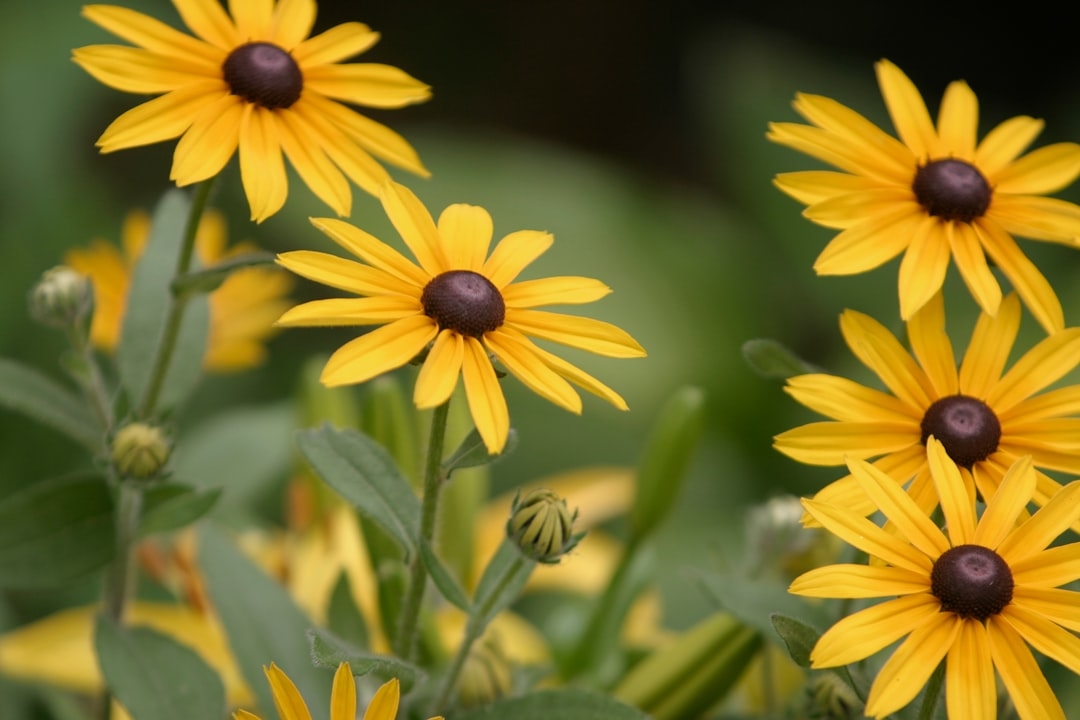
Black-eyed Susans grow across the entire continental US, but your region shapes how you approach planting and care.
Northeast and Midwest (Zones 4–6)
In the Northeast and Midwest, Rudbeckia hirta behaves as a short-lived perennial or biennial, often self-seeding to maintain a permanent presence. Plant out after the last frost (typically May) and expect blooms from July through September. Powdery mildew can be an issue in humid late summers — choose mildew-resistant cultivars like ‘Indian Summer’ and ensure good spacing. Fall sowing directly in the garden works beautifully in these regions, with seeds naturally stratifying over winter.
The South (Zones 7–9)
Heat and humidity create different challenges in the Southeast. Rudbeckia hirta often behaves more like a true annual here, completing its life cycle and declining faster in the intense summer heat. Southern gardeners have success planting in fall for winter and spring growth, allowing plants to bloom heavily before the brutal summer arrives. Rudbeckia fulgida ‘Goldsturm’ holds up better through Southern summers than hirta. Afternoon shade in Zones 8 and 9 can actually extend plant life. Fungal diseases are more prevalent — increase spacing to 24 to 30 inches and water only at the base.
The West Coast and Mountain West (Zones 5–10)
In the Pacific Northwest, the mild, wet winters and dry summers create a near-ideal environment for black-eyed Susans — they thrive with minimal irrigation once established. In California, Zone 9 and 10 gardeners should treat Rudbeckia hirta as a cool-season annual, planting in fall for spring bloom. In the Mountain West, cold winters and dramatic temperature swings favor Rudbeckia fulgida over hirta for long-term plantings. At higher elevations (above 6,000 feet), stick to seed sowing rather than transplants to allow plants to harden naturally.
Companion Planting: What Grows Well With Black-Eyed Susans
Black-eyed Susans are sociable plants that look great and perform well alongside a wide range of companions. The goal is to create layered interest through the season while supporting the same pollinator community.
- Purple coneflower (Echinacea purpurea) — The classic pairing. Yellow and purple create striking contrast, both bloom in summer, and both support native bees. Plant them at 1:1 or 1:2 ratios for a meadow-like effect.
- Little Bluestem (Schizachyrium scoparium) — A native ornamental grass that turns burgundy in fall, providing beautiful contrast to the yellow blooms and structure through winter.
- Salvia (Salvia nemorosa ‘Caradonna’) — Blue-purple vertical spikes in early summer complement the mounded yellow of Rudbeckia, and salvia’s second bloom often coincides with peak black-eyed Susan season.
- Blazing star (Liatris spicata) — Vertical, magenta-purple spikes that bloom at the same time as black-eyed Susans, creating instant prairie-garden drama.
- Anise hyssop (Agastache foeniculum) — Lavender flower spikes, similar height, same pollinator appeal, and it smells incredible. An underused companion.
For vegetable gardeners: black-eyed Susans planted along the border of a vegetable garden attract beneficial predatory insects — parasitic wasps and hoverflies — that actively prey on common garden pests like aphids and caterpillars.
Pests and Diseases: What to Watch For
Black-eyed Susans are relatively pest- and disease-resistant, but no plant is completely trouble-free.
Powdery Mildew
The most common problem, especially in humid climates and in late summer. Presents as a white, powdery coating on leaves. It’s rarely fatal but weakens the plant and looks unsightly. Prevention is easier than treatment: space plants properly, avoid overhead watering, and choose resistant varieties. If mildew appears, remove affected leaves and treat with a solution of 1 tablespoon baking soda plus 1 teaspoon horticultural oil per gallon of water — an effective, cheap DIY spray.
Septoria Leaf Spot
Small, circular brown spots with yellow halos on lower leaves, caused by the fungus Septoria rudbeckiae. It moves upward through the plant as the season progresses. Remove infected lower leaves promptly and avoid splashing water on foliage. Copper-based fungicides can slow the spread if caught early.
Aphids and Sawfly Larvae
Aphids occasionally cluster on new growth and can be knocked off with a strong spray of water from a hose. Rudbeckia sawfly larvae look like small caterpillars and chew leaves in late spring and summer. Hand-picking works for small infestations. Insecticidal soap spray handles heavier pressure without harming pollinators, as long as you apply it in the evening when bees aren’t foraging.
Deer
Deer occasionally browse black-eyed Susans, though they’re not a preferred food source. If deer pressure is heavy in your area, young plants in their first season are most vulnerable. Surround new plantings with a temporary wire cage until they’re established and tougher. Mature plants rebound quickly from deer browsing.
Common Mistakes to Avoid
Even easy plants get mishandled. Here are the mistakes that trip up gardeners most often with black-eyed Susans:
- Planting in wet or poorly drained soil. This is the number one cause of failure. If water pools in the area after rain, either amend heavily or choose a different spot.
- Over-fertilizing. Excess nitrogen produces tall, floppy plants with fewer blooms. Skip the fertilizer or use it sparingly in genuinely poor soil only.
- Crowding plants. Spacing them closer than 18 inches invites powdery mildew and reduces air circulation. Give them room.
- Cutting everything down in fall. Those seed heads are food and habitat. Leave them standing until late winter.
- Expecting perennial behavior from Rudbeckia hirta. In colder zones, this species acts as an annual or biennial. If your plants don’t come back, it doesn’t mean you failed — it means you need to let them self-seed or replant.
- Watering established plants too frequently. Once rooted in, these are drought-tolerant plants. Weekly deep watering during dry spells is plenty. Daily watering encourages root rot.
- Not thinning self-seeded seedlings. Self-seeded plants come up thickly. Thin to 18-inch spacing to maintain the healthy conditions that keep individual plants strong.
Using Black-Eyed Susans as Cut Flowers
Black-eyed Susans make excellent cut flowers with a vase life of 7 to 10 days when handled properly. Cut stems in the early morning when the flowers have just fully opened, using clean, sharp shears. Cut at a 45-degree angle to maximize water uptake. Strip all foliage that would sit below the waterline in the vase, as submerged leaves rot quickly and foul the water.
Immediately place stems in a bucket of cool water and let them condition in a cool, shaded spot for 2 to 4 hours before arranging. Change the vase water every 2 days. Avoid placing arrangements in direct sunlight or near ripening fruit, which produces ethylene gas that accelerates petal drop.
At a farmers market or florist, black-eyed Susan stems sell for $8 to $15 per bunch. Growing your own cuts that cost entirely. The large-flowered ‘Indian Summer’ cultivar is particularly prized for cutting because of its 6-to-9-inch bloom size.
Black-Eyed Susans in Meadow and Naturalized Gardens
Black-eyed Susans are a cornerstone species in native meadow mixes and naturalized planting designs. They establish quickly, provide early cover and weed suppression, and create the visual anchor for a diverse wildflower planting.
For a basic budget-friendly native meadow, combine black-eyed Susans with purple coneflower, lanceleaf coreopsis, wild bergamot, and a native grass like prairie dropseed or little bluestem. A pre-mixed native meadow seed blend covering 500 square feet typically costs $20 to $35 — far less than buying individual plants.
Site preparation is everything in meadow gardening. Kill existing turf by smothering it with cardboard and 4 to 6 inches of wood chip mulch in fall, or by solarizing (covering with clear plastic) for 6 to 8 weeks in summer. Planting into unprepared soil dominated by grass and weeds almost guarantees failure. Take the time to do site prep right, and meadow establishment is dramatically easier.
In the first year, a meadow planting will look somewhat weedy — resist the urge to pull everything. Mark your intentional seedlings with small flags so you can distinguish them from weed seedlings. Mow the entire area once to 6 inches in late June of year one to set back annual weeds without harming the slower-growing perennial seedlings. By year two, you’ll have something genuinely beautiful.
Growing Black-Eyed Susans in Containers
Container gardening with black-eyed Susans is completely achievable with the right variety and setup. Compact cultivars like ‘Toto’ (10 to 12 inches) and ‘Little Goldstar’ (12 to 16 inches) are specifically suited to pot culture. Standard-size varieties can work in large containers — 15 gallons or more — but will need more frequent watering.
Use a well-draining potting mix rather than dense garden soil, which compacts in containers and restricts drainage. Add 20 to 30 percent perlite to standard potting mix for improved aeration. Container plants dry out significantly faster than in-ground plants — during summer heat, daily watering may be necessary. Check soil moisture by inserting your finger 2 inches into the soil; water when it feels dry at that depth.
Container-grown black-eyed Susans are typically treated as annuals and replanted each year, though in Zones 7 and warmer, compact perennial types can overwinter in containers if the pot is insulated or moved to a sheltered, unheated garage.
Where to Buy Black-Eyed Susans (and What to Spend)
Seeds are the most economical option. Look for them at local independent garden centers, big-box retailers (seeds typically $2 to $4 per packet), or online from reputable seed companies like Prairie Moon Nursery, American Meadows, or Swallowtail Garden Seeds. Prairie Moon specializes in regionally appropriate native ecotypes, which establish better and support local pollinators more effectively than generic commercial seed.
For nursery-grown plants, local independent garden centers often carry regionally appropriate varieties that big-box stores don’t stock. A 4-inch pot typically costs $4 to $8; a gallon container runs $8 to $15. Buying at end-of-season sales (late July through August) can yield 30 to 50 percent discounts on healthy plants — and black-eyed Susans transplant well in late summer if watered in properly.
Avoid purchasing plants with yellowing foliage, rootbound pots where roots circle the entire bottom, or plants showing any signs of powdery mildew. Healthy transplants should have deep green foliage and a firm root ball that holds together when gently removed from the pot.
Frequently Asked Questions
Are black-eyed Susans perennials or annuals?
It depends on the species. Rudbeckia hirta is a short-lived perennial that behaves as an annual or biennial in most US gardens (USDA Zones 3–7), often self-seeding to maintain a presence. Rudbeckia fulgida ‘Goldsturm’ is a true, long-lived perennial hardy in Zones 3–9 that reliably returns each spring for 10 or more years.
How long do black-eyed Susans bloom?
Black-eyed Susans bloom for approximately 2 to 3 months, typically from late June or July through September or October depending on your region and the specific variety. Regular deadheading can extend the bloom period. Rudbeckia hirta generally blooms earlier and longer than Rudbeckia fulgida in the same conditions.
Do black-eyed Susans spread and become invasive?
Black-eyed Susans spread by self-seeding and, for perennial species, by slow rhizome expansion. They can naturalize aggressively in ideal conditions, particularly Rudbeckia triloba. However, they are native plants, not invasive species, and their spread is manageable by deadheading before seeds ripen. They do not outcompete established native plant communities in the same way that true invasives like Japanese knotweed do.
Why are my black-eyed Susans not blooming?
The most common causes of poor blooming are insufficient sunlight (less than 6 hours per day), excessive nitrogen fertilizer, and in the case of Rudbeckia hirta treated as a biennial, plants may be in their first (vegetative) year before their bloom year. Check that plants receive full sun, avoid high-nitrogen fertilizers, and give first-year seedlings patience — they typically bloom heavily in their second year.
Can black-eyed Susans grow in clay soil?
Yes, with some modification. Black-eyed Susans tolerate clay soil better than many garden flowers, but clay that stays waterlogged will cause root rot. Improve drainage by incorporating a 2-inch layer of coarse sand and compost worked into the top 12 inches of soil before planting. Alternatively, plant in a raised bed with amended soil if drainage is severely limited.
Plan Your Planting: A Simple First-Year Calendar
A quick seasonal roadmap makes the difference between a scattered attempt and a confident first growing year with black-eyed Susans:
- Late winter (February–March): Order seeds and plan your planting area. Start Rudbeckia hirta indoors 6 to 8 weeks before last frost if you want blooms the first year.
- Early spring (April–May): Direct sow outdoors after last frost. Transplant nursery starts once nighttime temperatures stay above 40°F. Prepare meadow sites with cardboard sheet mulching.
- Early summer (June–July): Thin self-seeded plants to 18-inch spacing. Water new transplants weekly. Watch for first blooms on established plants.
- Peak summer (July–September): Enjoy peak bloom. Deadhead regularly if you want more flowers; stop deadheading 6 weeks before first frost if you want self-seeding.
- Fall (October–November): Leave seed heads standing for birds. Note which plants performed best for next year’s selections.
- Late winter (February): Cut back dead stems to 3 to 4 inches. Divide overcrowded Rudbeckia fulgida clumps. Collect and store any saved seed in a cool, dry location.
Black-eyed Susans reward curiosity and forgive mistakes. Start with a small patch this season — even a 4-by-4-foot area can produce dozens of blooms. Let a few seed heads ripen and drop in fall, and by next summer you’ll have more plants than you started with, built at no extra cost. That’s the quiet magic of growing natives: the garden builds itself once you give it the right foundation.