Contents:
- What Is Jasmine? A Quick Background
- Popular Jasmine Types for US Gardens
- Common White Jasmine (Jasminum officinale)
- Arabian Jasmine (Jasminum sambac)
- Winter Jasmine (Jasminum nudiflorum)
- Pink Jasmine (Jasminum polyanthum)
- Confederate Jasmine (Trachelospermum jasminoides)
- Jasmine Growing Guide: Planting Basics
- Choosing the Right Location
- Soil Requirements and Preparation
- Planting Steps
- Container Growing
- Seasonal Jasmine Care Calendar
- January – February
- March – April
- May – June
- July – August
- September – October
- November – December
- Watering, Fertilizing, and Pruning in Detail
- Watering
- Fertilizing
- Pruning for More Blooms
- Regional Differences: Growing Jasmine Across the US
- Northeast (Zones 5–7)
- Southeast and Gulf Coast (Zones 8–10)
- West Coast (Zones 8–10 in California; Zones 7–9 in the PNW)
- Mountain West and Midwest (Zones 4–7)
- Maximizing Jasmine Fragrance: Tips That Actually Work
- Plant in Full Sun
- Time Your Visits
- Moderate Stress = More Scent
- Avoid Excess Nitrogen
- Strategic Placement
- Common Problems and How to Fix Them
- Yellowing Leaves
- No Flowers
- Leggy, Sparse Growth
- Spider Mites
- Root Rot
- Frequently Asked Questions About Jasmine
- How fast does jasmine grow?
- Is jasmine invasive?
- Can jasmine grow indoors?
- When should I prune jasmine?
- How do I get my jasmine to bloom more?
- Choosing Jasmine for Cut Flowers and Arrangements
- Buying Jasmine: What to Look for and What to Spend
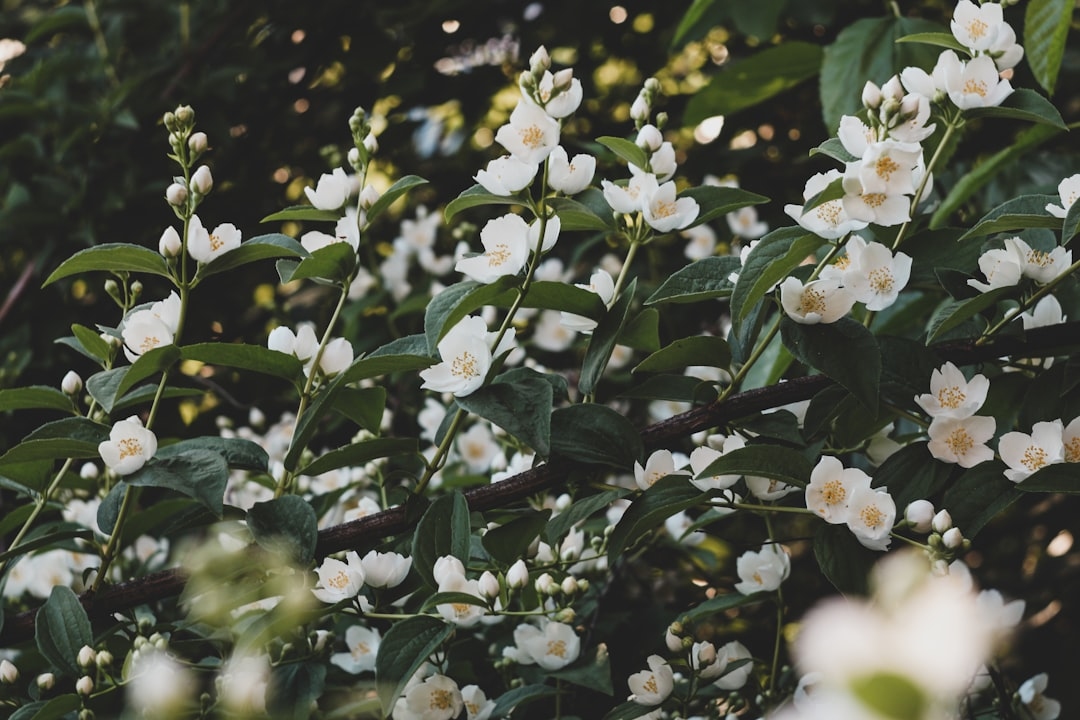
You’re walking past a neighbor’s fence on a warm July evening, and suddenly something stops you cold — a scent so sweet and heady it feels almost edible. You look around. There it is: a cascade of small white flowers tumbling over a trellis, practically glowing in the fading light. That’s jasmine doing what jasmine does best. And if you’ve ever wanted that experience in your own yard, this jasmine growing guide is exactly where to start.
Jasmine is one of those plants that rewards curiosity. Whether you’re working with a sprawling backyard in Georgia, a compact balcony in Seattle, or a sun-drenched courtyard in Arizona, there’s a jasmine variety suited to your space. This guide covers everything: species selection, planting techniques, regional care differences, a month-by-month seasonal calendar, fragrance tips, and troubleshooting. Let’s get your jasmine thriving.
What Is Jasmine? A Quick Background
Jasmine belongs to the genus Jasminum, part of the olive family (Oleaceae). The genus contains around 200 species native to tropical and subtropical regions of Asia, Africa, and Europe. Not all jasmines are true jasmines — Trachelospermum jasminoides (Confederate jasmine) and Gardenia jasminoides (cape jasmine) carry the jasmine name but belong to entirely different botanical families. Still, they’re frequently grouped together in gardening contexts because of their similar fragrance profiles and growing habits.
True jasmines produce their signature scent from a compound called benzyl acetate, along with indole and linalool. The concentration of these compounds varies significantly between species — which is why some jasmines knock you sideways from 20 feet away while others require you to press your nose right into the bloom.
Jasmine has been cultivated for over 3,000 years. It’s the national flower of Pakistan and Indonesia, and it’s been central to perfumery since the 17th century. A single pound of jasmine absolute — the concentrated aromatic extract — requires approximately 3.6 million hand-picked blossoms. That context alone should tell you how potent this plant really is.
Popular Jasmine Types for US Gardens
Choosing the right species is the single most important decision in your jasmine journey. The wrong variety in the wrong climate means frustration; the right one means years of effortless blooms.
Common White Jasmine (Jasminum officinale)
This is the classic. Hardy in USDA Zones 7–10, common white jasmine is a vigorous twining climber that can reach 15–30 feet when given proper support. It blooms from late spring through early fall, producing clusters of small, intensely fragrant white flowers. It’s deciduous in cooler climates but stays semi-evergreen in Zone 9 and above. This is the species most often used in perfumery and is an excellent choice for the Southeast, Pacific Northwest, and mid-Atlantic regions.
Arabian Jasmine (Jasminum sambac)
If you want maximum fragrance intensity, J. sambac is your plant. This is the species used to scent jasmine tea and is considered sacred in many South Asian and Southeast Asian traditions. It’s less cold-hardy than common jasmine — USDA Zones 9–11 — so it performs best in Florida, Southern California, Hawaii, and the Gulf Coast. In cooler zones, grow it as a container plant and bring it indoors when temperatures drop below 40°F. The cultivar ‘Grand Duke of Tuscany’ produces double blooms that look like tiny roses and smell extraordinary.
Winter Jasmine (Jasminum nudiflorum)
Here’s the rebel of the genus. Winter jasmine blooms from December through February, producing cheerful yellow flowers on bare green stems before a single leaf appears. It’s hardy all the way down to Zone 6 — sometimes Zone 5 with protection — making it one of the few jasmine options for gardeners in the Northeast and Midwest. It doesn’t carry the heavy perfume of its relatives (the flowers are nearly scentless), but its winter bloom time is genuinely dramatic and it’s remarkably tough.
Pink Jasmine (Jasminum polyanthum)
Pink jasmine is a fast grower — sometimes aggressively so — with pink buds that open to white, intensely fragrant flowers in late winter and early spring. It’s popular on the West Coast, particularly in California and the Pacific Northwest, where the mild winters allow it to bloom as early as February. Hardy in Zones 8–10, it can cover a fence or arbor within two to three seasons. Note: in parts of California and Hawaii, this species has naturalized and is considered invasive. Check with your local extension office before planting.
Confederate Jasmine (Trachelospermum jasminoides)
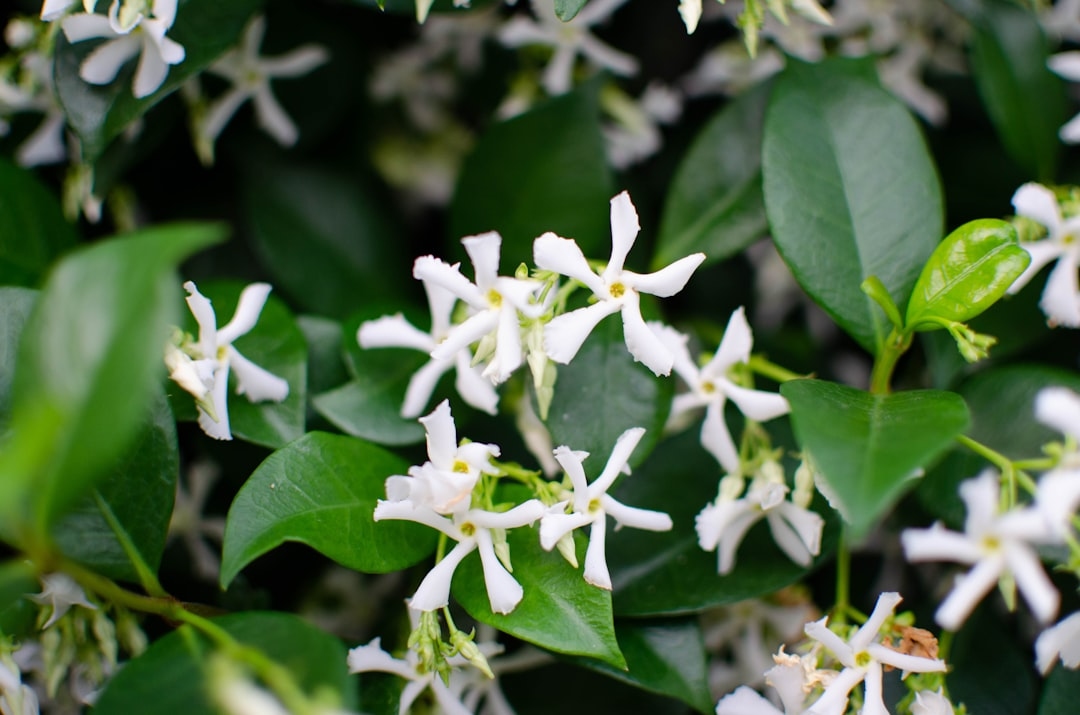
Technically not a true jasmine, but it earns its place on this list through sheer performance. Confederate jasmine is arguably the most widely planted “jasmine” in the American South, thriving in Zones 8–10. It’s evergreen, heat-tolerant, and produces an enormous flush of small star-shaped white flowers in late spring. The fragrance is lighter and sweeter than J. officinale but still strong enough to perfume a patio from several feet away. It’s also one of the most forgiving plants you can grow — tolerating drought, poor soil, and neglect once established.
Jasmine Growing Guide: Planting Basics
Getting jasmine off to the right start makes every subsequent year easier. These aren’t fussy plants, but they do have preferences worth respecting.
Choosing the Right Location
Most jasmine species prefer full sun — at least 6 hours of direct sunlight daily — for the best bloom production. In hotter climates like Texas, Arizona, and Florida, afternoon shade can actually improve performance by reducing heat stress. In the Pacific Northwest, full sun is almost always the right call. Avoid planting jasmine in low spots where water collects; standing water around the roots is a reliable way to kill even a healthy established plant.
For fragrance placement, think about airflow. Jasmine scent travels on warm, still air. Planting near a south- or west-facing wall captures heat and directs fragrance toward outdoor seating areas. A trellis against a house wall works beautifully — the structure supports the vines while the reflected heat boosts bloom production by 15–20% compared to open-ground plantings in the same location.
Soil Requirements and Preparation
Jasmine thrives in well-draining, moderately fertile soil with a pH between 6.0 and 7.0. Heavy clay soils need amendment before planting: work in 3–4 inches of compost plus perlite to improve drainage. Sandy soils, common in coastal Southeast gardens, benefit from organic matter to improve moisture retention — 2–3 inches of compost incorporated to a depth of 12 inches is a solid baseline.
Conduct a soil pH test before planting if you can. Your local cooperative extension office often provides free or low-cost testing kits. Adjusting pH after the fact is possible but takes time; getting it right before planting is much more efficient.
Planting Steps
- Dig a hole twice as wide and equal in depth to the root ball.
- Mix the removed soil with compost at a 2:1 ratio (soil to compost).
- Set the plant so the crown sits level with or slightly above the surrounding soil.
- Backfill with the amended soil mix, tamping gently to remove air pockets.
- Water deeply immediately after planting — enough to saturate the root zone.
- Apply 2–3 inches of organic mulch (shredded bark or wood chips) around the base, keeping it 2 inches away from the stem.
- Install your support structure — trellis, fence, or wire — at planting time to avoid disturbing roots later.
Container Growing
Container jasmine is a fantastic option for gardeners in colder zones or those working with limited space. Use a pot that’s 12–16 inches in diameter for most varieties — Arabian jasmine especially performs well at this size. Choose a container with drainage holes (non-negotiable) and fill it with a quality potting mix blended with 20–25% perlite. Container plants dry out faster than in-ground plantings; expect to water every 2–3 days during summer. Repot every 2–3 years when roots begin circling the bottom of the container.
Seasonal Jasmine Care Calendar
Timing your care tasks to the growing season is one of the most effective ways to maximize jasmine’s bloom output and overall health. Here’s a month-by-month breakdown tailored for most US climates, with regional notes where relevant.
January – February
Northeast & Midwest: Jasmine is dormant. Check container plants overwintering indoors — water sparingly (once every 10–14 days) and keep in a cool, bright spot (50–60°F). No fertilizer needed.
Southeast & Gulf Coast: Confederate jasmine may still be semi-active. This is a good time to apply a light layer of compost around the base to prep for spring. Winter jasmine is blooming — enjoy it and hold off on any pruning.
West Coast (California, PNW): Pink jasmine begins setting buds in late February. Don’t prune now — you’ll cut off the flowers. Water if rainfall has been low.
March – April
This is planting season across most of the US. Soil temperatures are rising, frost risk is diminishing, and jasmine transplanted now has the full growing season to establish its root system before winter stress. In Zones 7–8, wait until mid-April to plant if late frosts are still possible.
Start fertilizing established plants once new growth appears. Use a balanced slow-release fertilizer (10-10-10) at the rate specified on the package — typically 1 tablespoon per gallon of pot volume for containers, or applied at the drip line for in-ground plants.
May – June
Peak bloom season for common white jasmine and Confederate jasmine begins. This is the highest-fragrance period of the year. Deadhead spent blooms to encourage continuous flowering. Water regularly — jasmine in active bloom needs consistent moisture. Aim for 1 inch of water per week from rain or irrigation.
Begin training new vines onto their support structure. Tie loosely with soft garden twine or silicone plant ties; avoid wire or anything that could cut into the stems as they grow.
July – August
Heat and humidity bring two things: vigorous growth and increased pest pressure. Inspect plants weekly for spider mites (look for fine webbing on leaf undersides) and aphids (sticky residue on leaves and stems). A strong blast of water from the hose knocks off most infestations before they become serious.
In the Deep South — Georgia, Louisiana, Alabama — July temperatures regularly exceed 95°F. Mulch is your best friend during these months; a 3-inch layer keeps soil temperatures 10–15°F cooler than unmulched ground, protecting the root system during heat spikes.
September – October
Flower production slows as day length shortens. This is the ideal time to prune jasmine that has finished its main bloom cycle. Remove dead and crossing branches, trim back overly long shoots, and shape the plant. Avoid heavy pruning after mid-October in Zone 7 and below — new growth stimulated by pruning won’t harden off before frost and can leave the plant vulnerable.
Reduce fertilizer frequency. One final application of a low-nitrogen fertilizer (such as a 5-10-10 blend) in September supports root development without pushing tender new growth heading into winter.
November – December
Protect container plants from freezing temperatures. In Zones 6–7, move containers to an unheated garage or enclosed porch. Wrap in-ground plants in frost cloth if an unexpected early freeze is forecast — one night below 20°F can kill unprotected growth on borderline-hardy varieties.
Winter jasmine (J. nudiflorum) begins setting its flower buds during this period. Leave it entirely alone.
Watering, Fertilizing, and Pruning in Detail
Watering
Established jasmine is more drought-tolerant than most people expect, but “drought-tolerant” doesn’t mean “ignore it.” During the first growing season — roughly the first 12 months after planting — water deeply twice a week during dry spells to encourage deep root development. After that, once a week during the growing season is typically sufficient for in-ground plants, with supplemental watering during extended dry periods (two or more weeks without at least half an inch of rain).
Signs of underwatering: wilting in the morning (not just afternoon heat wilting), yellowing lower leaves, and dry, cracked soil. Signs of overwatering: yellowing leaves that feel soft and limp, mushy stems near the soil line, and a sour smell from the soil — this usually indicates root rot.
Fertilizing
Jasmine is a moderate feeder. Over-fertilizing with high-nitrogen products produces lush green foliage and almost no flowers — a common frustration for new growers. Use a balanced fertilizer in spring when growth begins, then switch to a bloom-booster formula (higher phosphorus, such as 5-30-5) in late spring to encourage flowering. Fertilize every four to six weeks during the growing season, stopping by early September.
For organic options, fish emulsion (typically 5-1-1) works well as a spring starter. Bone meal worked into the soil at planting provides a slow phosphorus boost that supports root and flower development throughout the season.
Pruning for More Blooms
Pruning timing matters more with jasmine than almost any other aspect of care. Most jasmine species bloom on wood grown the previous season — meaning if you prune in spring, you’re removing the very stems that would have flowered. The general rule: prune immediately after the main bloom flush ends. For common white jasmine, that means late summer or early fall. For winter jasmine, prune in early spring, right after flowering.
A useful pruning rhythm: remove one-third of the oldest stems at the base each year. This “renewal pruning” keeps the plant producing vigorous young growth without cutting it back so hard that you lose a season of flowers. Use sharp, clean pruning shears — dirty blades spread fungal disease between cuts.
Regional Differences: Growing Jasmine Across the US
The United States spans USDA Hardiness Zones 3 through 13, and jasmine care varies meaningfully across that range. Here’s what you need to know based on where you garden.
Northeast (Zones 5–7)
True jasmine is a challenge but not impossible in the Northeast. Winter jasmine (J. nudiflorum) is the most reliable option — it handles cold down to Zone 6 with minimal protection. Common white jasmine can survive in Zone 7 (think Philadelphia, Washington DC) with a south-facing wall and frost cloth protection in January and February. Container growing opens up more species options: move J. sambac indoors by mid-October and it’ll bloom on your windowsill through winter.
Southeast and Gulf Coast (Zones 8–10)
This is jasmine paradise. Confederate jasmine covers fences from Virginia to Florida with almost no intervention. Common white jasmine, Arabian jasmine, and pink jasmine all thrive here. The primary challenge isn’t cold — it’s humidity and fungal disease. Space plants to ensure good airflow (at least 5–6 feet between plants), water at the base rather than overhead, and watch for powdery mildew during wet springs. In South Florida (Zone 10), Arabian jasmine blooms nearly year-round.
West Coast (Zones 8–10 in California; Zones 7–9 in the PNW)
California gardeners have enormous jasmine flexibility. Pink jasmine climbs over pergolas in Los Angeles from February onward; Arabian jasmine thrives in the San Fernando Valley. In the cooler Bay Area and Sacramento, common white jasmine and Confederate jasmine are more reliable. Pacific Northwest gardeners in Portland and Seattle (Zone 8) do well with pink jasmine and common white jasmine, though they may see slightly fewer blooms than their California counterparts due to cooler summers. The trade-off: fewer pest problems.
Mountain West and Midwest (Zones 4–7)
Container growing is the most practical approach in Denver, Chicago, Minneapolis, and similar cities. Choose J. officinale or J. sambac in large pots, grow them on a sunny patio from May through September, and move them to a bright indoor location for winter. With a south-facing window and supplemental grow lighting (12–14 hours daily), container jasmine will often bloom indoors in January and February — a genuine morale boost during a Rocky Mountain or Great Lakes winter.
Maximizing Jasmine Fragrance: Tips That Actually Work
Fragrance intensity in jasmine isn’t just genetic — it’s heavily influenced by growing conditions. These specific techniques measurably increase the scent output of your plants.
Plant in Full Sun
Higher light levels directly increase the production of volatile aromatic compounds. A jasmine growing in 8 hours of sun will produce noticeably more fragrance than the same plant in 4 hours of shade. This isn’t a small difference — in controlled trials, jasmine flowers harvested from full-sun plants contained 30–40% higher concentrations of benzyl acetate than shade-grown specimens.
Time Your Visits
Jasmine fragrance peaks in the evening and at night — not midday. The flowers release the highest concentration of aromatic compounds between dusk and around 10 PM. If you’re not smelling much from your plant during the afternoon, step outside after dinner. You’ll likely be surprised.
Moderate Stress = More Scent
Slightly dry soil conditions just before and during bloom can intensify fragrance. Not drought stress — don’t torture the plant — but allowing the top inch of soil to dry out between waterings during flowering encourages the plant to concentrate aromatic compounds. Overwatered jasmine tends to produce diluted fragrance.
Avoid Excess Nitrogen
High-nitrogen fertilizers push vegetative growth at the expense of flower production and fragrance development. Switch to a phosphorus-heavy formula once buds form, and you’ll notice both more blooms and a stronger scent profile.
Strategic Placement
Plant jasmine near an outdoor seating area, a bedroom window, or a frequently used entrance. Fragrance is most impactful when encountered at close range in still, warm air. A trellis running along a south-facing porch railing creates a fragrant corridor that you walk through every time you enter the house.
Common Problems and How to Fix Them
Yellowing Leaves
The most common cause is overwatering or poor drainage. Check the soil 2 inches down — if it’s wet, reduce watering frequency and improve drainage. If soil is dry and leaves are yellowing, the plant may be iron-deficient; treat with chelated iron applied as a foliar spray or soil drench according to package directions.
No Flowers
Three common causes: (1) too much nitrogen, (2) pruning at the wrong time (removing last season’s growth in spring), or (3) insufficient sunlight. Work through these in order. Move the plant to a sunnier location if possible, adjust fertilizer to a bloom formula, and check your pruning calendar against the species you’re growing.
Leggy, Sparse Growth
Jasmine growing in low light becomes etiolated — it stretches toward light, producing long stems with widely spaced leaves and few flowers. Move container plants to a brighter location. For in-ground plants, consider whether a nearby tree has grown large enough to shade what was once a sunny spot.
Spider Mites
Hot, dry conditions favor spider mite infestations. Fine webbing on leaf undersides and stippled, dull-looking foliage are the giveaways. Treat with insecticidal soap spray (2 tablespoons per gallon of water) every 5–7 days for 3 weeks, making sure to coat the undersides of leaves thoroughly. Neem oil is an effective alternative and provides some residual protection.
Root Rot
Caused by Phytophthora and Pythium fungal species in waterlogged soil. Prevention is far easier than treatment: plant in well-draining soil, avoid overwatering, and never let containers sit in standing water. If root rot is caught early — brown, mushy roots on a container plant — unpot the plant, cut away all diseased roots with sterilized scissors, dust with sulfur powder, and repot in fresh, dry mix.
Frequently Asked Questions About Jasmine
How fast does jasmine grow?
Growth rate depends on species and conditions, but most vigorous varieties like J. officinale and pink jasmine (J. polyanthum) grow 12–18 inches per season under good conditions. In their first year, growth is slower as the plant focuses on root establishment. By year two and three, growth accelerates significantly — pink jasmine can add 3–5 feet per year in a warm climate with regular water and fertilizer.
Is jasmine invasive?
Some species are. Pink jasmine (J. polyanthum) is listed as invasive in parts of California, Hawaii, and New Zealand. Confederate jasmine, while not a true jasmine, has also naturalized in parts of the South but is generally not classified as invasive. Check your state’s invasive species list before planting any fast-growing jasmine variety, particularly in Zones 9–11.
Can jasmine grow indoors?
Yes, particularly Arabian jasmine (J. sambac), which adapts well to container life. Indoors, it needs at least 4–6 hours of direct sunlight daily — a south-facing window is ideal. Supplemental grow lighting with a 12–14 hour daily cycle produces the best results in low-light northern homes. Keep indoor temperatures between 65–75°F and mist the foliage occasionally during winter when indoor heating dries the air.
When should I prune jasmine?
Prune most jasmine species immediately after their main bloom period ends — typically late summer for summer-blooming types and early spring for winter jasmine (J. nudiflorum). Avoid pruning in late fall or late spring, which either removes flower buds or stimulates growth heading into frost season. Annual light pruning (removing one-third of old stems) is healthier than infrequent heavy cutbacks.
How do I get my jasmine to bloom more?
Five things make the biggest difference: (1) ensure at least 6 hours of direct sun, (2) use a phosphorus-heavy fertilizer (not high nitrogen) during the growing season, (3) prune at the correct time for your species, (4) allow the top inch of soil to dry between waterings during bloom, and (5) provide consistent support so vines can spread rather than tangle. Bloom production also improves markedly in years two through four as root systems mature.
Choosing Jasmine for Cut Flowers and Arrangements
Jasmine stems are delicate and the flowers don’t last as long as roses or lilies — typically 1–3 days in a vase — but the fragrance they contribute to an arrangement is unmatched. Cut stems in the early morning when aromatic compounds are being stored rather than released. Place immediately in water with a floral preservative, keep the arrangement away from direct sunlight, and expect the strongest fragrance on day one and two.
For home fragrance projects beyond fresh-cut arrangements, jasmine flowers can be used in sachets, infused into carrier oils for homemade perfume (a cold-enfleurage process using odorless coconut oil works well at home), or dried and added to potpourri blends. Dried jasmine retains some fragrance for 6–12 months when stored away from light and heat.
Buying Jasmine: What to Look for and What to Spend
At a garden center, a healthy 1-gallon jasmine plant typically costs between $8 and $18 depending on species and region. A 3-gallon established plant runs $20–$40 and will fill in faster. Avoid plants with yellowing foliage, visible pests, or root systems that are visibly circling and pot-bound (you’ll see dense white roots coming out of the drainage holes with nowhere left to grow).
Online nurseries offer a wider species selection than most local garden centers — particularly useful if you’re looking for J. sambac cultivars like ‘Maid of Orleans’ or ‘Belle of India’, which can be hard to find locally outside of Zone 9+. Expect to pay $12–$25 for a shipped 4-inch pot, plus shipping costs that vary by distance and season. Spring shipping (March through May) generally produces the best results; plants shipped in summer heat or winter cold face unnecessary stress.
Ready to put this jasmine growing guide into action? Start with one plant, pick the species best suited to your zone, and give it a warm wall and some support. By your second summer, you’ll understand why jasmine has been stopping people in their tracks for three thousand years — and you’ll probably want to plant three more.