Contents:
- What Are Calla Lilies? Botanical Background and Varieties
- How to Choose a Variety for Your Event
- The Complete Calla Lily Guide to Growing from Rhizomes
- When and Where to Plant
- Planting Depth and Spacing
- Fertilizing for Maximum Bloom
- Watering
- Common Pests and Problems
- Growing Calla Lilies Indoors and in Containers
- Harvesting Cut Flowers: Timing Is Everything
- Conditioning for Event Use
- How to Arrange Calla Lilies: Design Principles for Events
- Vase Arrangements
- Bridal Bouquets
- Boutonnières and Smaller Pieces
- How to Store Calla Lilies Before and After an Event
- Short-Term Storage (1–5 Days)
- Storing Rhizomes Over Winter (Zones 3–8)
- Common Mistakes to Avoid
- Cost Breakdown: Budgeting Calla Lilies for Events
- Retail vs. Wholesale
- Event Estimates
- Calla Lilies in the Garden: Companion Planting and Landscape Use
- Sourcing Calla Lilies in the US: Where to Buy
- Frequently Asked Questions
- How long do calla lilies last in a vase?
- Can calla lilies grow in shade?
- Are calla lilies perennials or annuals?
- What is the best time of year to buy calla lilies for an event?
- Why are my calla lily leaves turning yellow?
- Planning Your Next Step
In 1930, Diego Rivera painted his wife Frida Kahlo surrounded by calla lilies — zantedeschia blooms that had become so woven into Mexican cultural identity that they were nicknamed “the flower of the nation.” Rivera painted them obsessively, in over 200 works. Yet calla lilies are not native to Mexico at all. They arrived from southern Africa, traveled through European botanical gardens, and landed in the arms of a culture that simply claimed them as their own. That journey — from the wetlands of the Cape Floristic Region to Diego Rivera’s canvas to your event centerpiece — tells you something essential about this flower: it belongs everywhere it goes.
This calla lily guide covers everything a first-time grower or event planner needs to know. From planting rhizomes in USDA hardiness zones 8–10 to assembling a bridal bouquet that holds up for six hours, the information here is specific, practical, and sequenced in the order you’ll actually need it.
What Are Calla Lilies? Botanical Background and Varieties
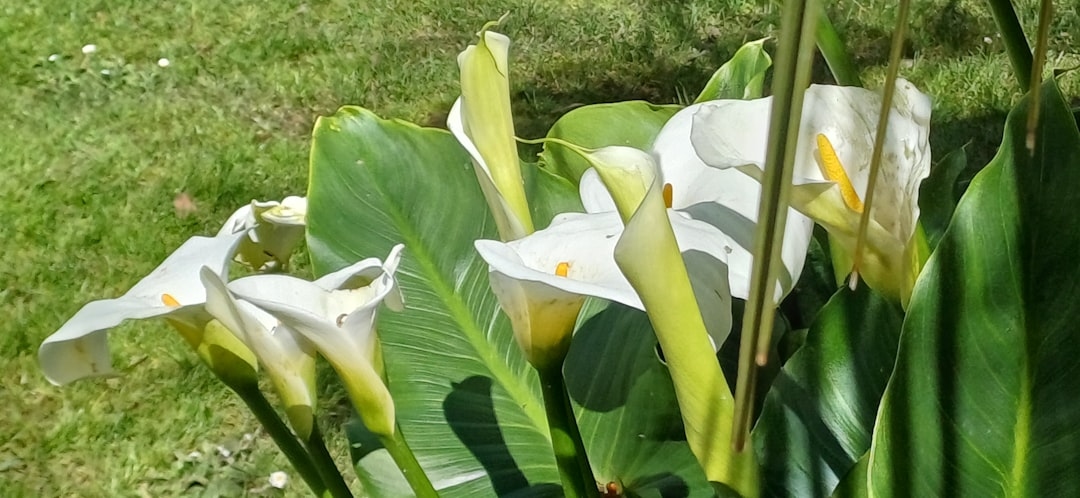
Despite the common name, calla lilies are not true lilies. They belong to the family Araceae — the same family as peace lilies and philodendrons — and their genus is Zantedeschia. The bloom that most people call the “flower” is technically a spathe: a modified leaf that wraps around a finger-like spadix covered in tiny true flowers. This distinction matters practically, not just taxonomically, because it explains why calla lilies last so long in arrangements. You’re not dealing with delicate petals — you’re working with a leaf.
There are two main groups growers and florists work with:
- Common calla lily (Zantedeschia aethiopica): The classic white variety. Hardy to USDA zone 8, tolerates wet soil, and grows 2–4 feet tall. This is the funeral and wedding staple.
- Miniature or colored callas (Zantedeschia hybrids): Smaller plants, 1–2 feet tall, available in yellow, pink, deep purple, orange, and near-black (‘Schwarzwalder’ is a popular cultivar). These prefer well-drained soil and are less cold-tolerant — reliable only in zones 9–10 without lifting.
For event planning, the hybrid colors have expanded dramatically since the 1990s. Today a professional wholesaler will stock 20 or more named varieties. ‘Picasso’ features white spathes edged in deep purple. ‘Mango’ is a warm apricot that photographs beautifully in natural light. ‘Crystal Blush’ opens white and flushes pink at the base as it matures.
How to Choose a Variety for Your Event
Start with your color palette, then check stem length requirements. Standard white Z. aethiopica stems run 18–24 inches — ideal for tall vase arrangements. Hybrid stems average 12–18 inches. If you need flowers that photograph well from above (think overhead drone shots at outdoor receptions), the broader spathe of the white common calla reads better in images. For hand-tied bouquets and bud vases, hybrid colors create more visual interest up close.
The Complete Calla Lily Guide to Growing from Rhizomes
Calla lilies grow from rhizomes, not bulbs — a horizontal underground stem that stores nutrients. This structure is why they’re so resilient and why improper storage destroys them faster than most growers expect.
When and Where to Plant
Plant rhizomes outdoors after the last frost date, when soil temperature reaches at least 60°F. In most of the US, that window falls between late March (zones 9–10) and mid-May (zones 5–7). In zones 3–7, treat callas as annuals or dig them up each fall.
Select a site with 6 hours of direct sun minimum. In zones 9–10, afternoon shade actually improves performance — prolonged heat above 90°F causes spathe discoloration and shortened stem length. Soil should be rich in organic matter with a pH between 5.5 and 6.5. Callas are one of the few ornamentals that genuinely tolerate moist, even boggy, conditions, but Z. aethiopica handles this far better than the hybrids, which will rot if drainage is poor.
Planting Depth and Spacing
Plant rhizomes 3–4 inches deep, eyes (growth buds) facing up, spacing them 12–18 inches apart. Closer spacing — say 8 inches — produces more blooms per square foot but increases disease pressure from poor air circulation. For a cutting garden aimed at a specific event, 12-inch spacing with staggered rows maximizes yield without sacrificing stem quality.
Fertilizing for Maximum Bloom
At planting, incorporate a balanced slow-release fertilizer (10-10-10) at the rate recommended on the package — typically 1 tablespoon per square foot. Once foliage appears, switch to a low-nitrogen, high-phosphorus formula (something like 5-10-10) every 3–4 weeks. High nitrogen pushes leaf growth at the expense of flowers. A common benchmark: plants fed with a phosphorus-forward fertilizer produce 30–40% more spathes per rhizome than those given balanced or nitrogen-heavy formulas, according to extension research from the University of Florida.
Watering
Callas need consistent moisture — roughly 1 inch per week from rain or irrigation during the growing season. Allow the top inch of soil to dry between waterings for hybrid varieties. Wilting in the afternoon heat is normal; if plants don’t recover by morning, increase watering frequency. Drip irrigation outperforms overhead watering because wet foliage encourages bacterial soft rot (Erwinia carotovora), one of the most destructive calla diseases.
Common Pests and Problems
Aphids cluster on new growth and are manageable with insecticidal soap. Spider mites appear during hot, dry spells — look for fine webbing on leaf undersides. The most serious threat is rhizome rot, which starts with yellowing lower leaves and a soft, malodorous rhizome. There is no cure once rot sets in; remove and discard infected plants immediately to protect neighbors.
Growing Calla Lilies Indoors and in Containers
Container growing is the practical solution for gardeners in zones 3–7 who want callas without the annual replanting headache — you simply move the container to a frost-free garage in fall rather than digging up rhizomes.
Use a pot at least 12 inches in diameter with drainage holes. A mix of 60% quality potting soil and 40% perlite hits the drainage sweet spot. One rhizome per 12-inch pot is the professional standard — overcrowding reduces stem length noticeably. Place containers in your brightest window (south-facing preferred) or under a grow light providing 14–16 hours of light daily.
Indoor plants dry out faster than garden beds. Check soil moisture every 2 days. Feed every two weeks with a liquid fertilizer diluted to half strength — container plants flush nutrients more quickly than in-ground plants.
Harvesting Cut Flowers: Timing Is Everything
For cut flowers, harvest when the spathe has just unfurled but before it lies fully flat — typically when it’s open about 75%. At this stage, the flower will continue opening in the vase while lasting the maximum amount of time. Harvest too early (tight bud) and the spathe may never fully open indoors. Harvest too late and vase life drops from 7–10 days to 4–5.
Cut stems in the early morning when plant water pressure is highest. Use a clean, sharp knife at a 45-degree angle — scissors can crush the stem’s vascular tissue. Immediately place cut stems in a bucket of clean, cool water. Remove any leaves that will sit below the waterline; decomposing foliage introduces bacteria that clog stems.
Conditioning for Event Use
Before arranging, condition callas for 12–24 hours in a cool, dark space at 45–50°F. Add a commercial flower preservative to the water (the standard ratio is 1 teaspoon per quart). This hardening period significantly extends vase life — the difference between flowers that last through a 6-hour reception and ones that begin drooping by the cocktail hour.
💡 What the Pros Know
Commercial flower designers often re-cut calla stems under water to prevent air bubbles from entering the vascular tissue — a technique called “underwater cutting.” Fill a sink or deep bucket, submerge the bottom 3 inches of the stem, and make a fresh angled cut. Transfer directly to your conditioning bucket without lifting the stem into air. Florists who use this method report a 20–30% improvement in stem rigidity, which matters enormously for bouquets that need to stand upright in vases for hours.
How to Arrange Calla Lilies: Design Principles for Events
Calla lilies are structurally dominant flowers. One stem commands a vase. Three stems become a statement. They work best in arrangements built around their natural line — curving, arching, angling — rather than forced into tight, rounded clusters.
Vase Arrangements
For a tall centerpiece, use 5–7 white calla stems in a cylindrical glass vase filled with water and river stones or submerged greenery. Vary stem heights by 2–3 inches so spathes overlap slightly without crowding. Add supporting foliage — galax leaves, aspidistra, or bear grass — rather than competing flowers. Callas rarely need “companions” for visual impact; secondary flowers often detract.
For a low, lush table arrangement, use hybrid callas at 12–14 inches in a low rectangular vessel. Cluster 9–12 stems tightly. The heads, grouped closely, create a textured mass that reads as one unified color field from across a room — particularly effective with ‘Schwarzwalder’ or ‘Puck’ (a deep yellow).
Bridal Bouquets
A hand-tied bridal bouquet of 10–15 white calla lilies is a classic for good reason: the flowers are heavy enough to hold the bundle’s shape without wire and light enough (roughly 8–12 oz for 12 stems) not to fatigue the arm during a long ceremony. Wrap stems tightly with floral tape, then ribbon. Avoid spiral stem designs with callas — their thick stems create bulk. Parallel binding (all stems straight and parallel) creates a sleeker silhouette.
Boutonnières and Smaller Pieces
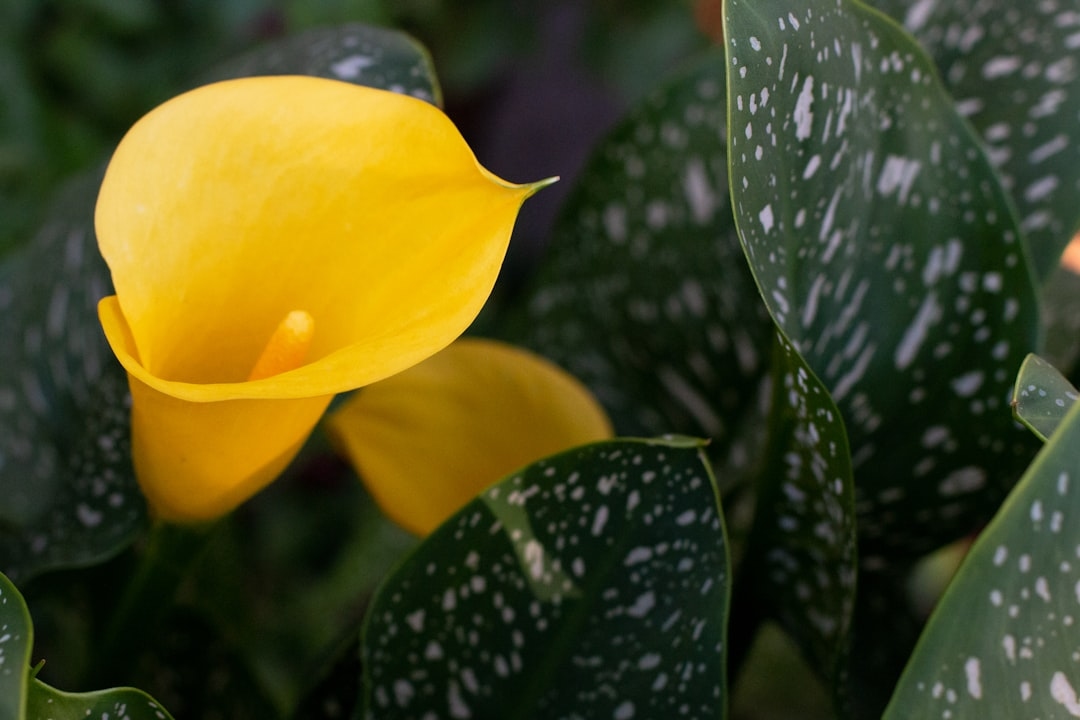
Miniature hybrid callas work well as boutonnières and corsages. A single ‘Crystal Blush’ or ‘Schwarzwalder’ bloom on a short stem, backed by a galax leaf and secured with a pearl-headed pin, is one of the more elegant boutonnière designs in modern floristry. These smaller arrangements should be made no more than 24 hours before the event and stored refrigerated (at 38–42°F) until pinning.
How to Store Calla Lilies Before and After an Event
Storage is where amateur floral work falls apart. Cut calla lilies are sensitive to ethylene gas — the same compound released by ripening fruit and decaying organic matter. A single overripe banana in a storage room can shorten calla vase life by 2–3 days.
Short-Term Storage (1–5 Days)
Store upright in buckets of fresh water with preservative at 38–42°F. Do not allow flowers to touch walls or each other — bruising appears as brown patches on the spathe. Do not store near produce. Most home refrigerators run between 35–38°F, which is slightly too cold — the produce drawer, which typically runs 2–4°F warmer than the main compartment, is a better option for small quantities.
Storing Rhizomes Over Winter (Zones 3–8)
After the first frost kills the foliage, dig rhizomes carefully with a garden fork, shaking off excess soil. Do not wash them — moisture during storage encourages rot. Let rhizomes air dry for 2–3 days in a shaded, well-ventilated space. Then store in paper bags or cardboard boxes filled with dry peat moss, vermiculite, or newspaper at 50–55°F. A basement, unheated garage, or cool closet works well. Check monthly for soft spots or mold. Discard any rhizome showing rot rather than attempting to treat it — the risk of cross-contamination isn’t worth it.
Common Mistakes to Avoid
- Planting in poorly drained soil (hybrids specifically): Unlike the common white calla, hybrid varieties rot quickly in waterlogged conditions. Test drainage before planting: dig a hole 12 inches deep, fill with water, and time how fast it drains. Less than 1 inch per hour means you need raised beds or amended soil.
- Harvesting blooms too late: A fully open spathe lying flat has already passed peak vase life. Harvest at 75% open for maximum longevity.
- Skipping the conditioning step: Arranging callas directly from the garden into a vase without a 12-hour conditioning period reduces their staying power significantly — often by 3 or more days.
- Storing with fruit: Ethylene sensitivity is not theoretical. Keep cut callas completely away from any ethylene-producing produce, including apples, bananas, and tomatoes.
- Overwatering potted callas after flowering: Once blooms fade, reduce watering gradually to allow the plant to enter dormancy. Continuing regular watering encourages the rhizome to rot in the pot.
- Using nitrogen-heavy fertilizers: A lush green plant with no blooms is the classic sign of too much nitrogen. Switch to a bloom-boosting formula (low N, high P and K) as soon as the plant establishes.
Cost Breakdown: Budgeting Calla Lilies for Events
Calla lilies occupy the mid-to-upper range of cut flower pricing. Understanding where costs accumulate helps you plan realistically.
Retail vs. Wholesale
- Retail (florist or grocery store): $3–$6 per stem for white common callas; $4–$8 per stem for colored hybrids.
- Wholesale (flower market or online wholesale): $1.50–$3 per stem for white; $2–$4 for hybrids. Minimum orders typically 10–25 stems per variety.
- Grower-direct (farms like Mayesh or local farms): $1–$2 per stem in quantity (100+ stems), but requires advance ordering of 2–4 weeks.
Event Estimates
- Small ceremony (25 guests), calla-only aesthetic: Bridal bouquet (12 stems) + 2 bridesmaid bouquets (8 stems each) + altar arrangements (20 stems each, 2 arrangements) + reception centerpieces (7 stems × 5 tables) = approximately 123 stems total. At wholesale pricing ($2/stem average), budget $246–$370 including preservative and supplies.
- Medium wedding (100 guests): Scale centerpieces to 15 tables, add cocktail hour arrangements and cake flowers. Expect 300–400 stems. Budget $600–$1,200 at wholesale.
- Single dinner party centerpiece: 7 white callas in a rented cylinder vase = $21–$42 retail, under $15 wholesale.
Growing your own rhizomes reduces per-stem cost dramatically — roughly $0.75–$1.25 per stem when accounting for rhizome purchase ($1–$3 each, producing 3–5 stems per season) and inputs. For events 6+ months away, planting your own supply is economically rational if you have the garden space.
Calla Lilies in the Garden: Companion Planting and Landscape Use
In the landscape, callas work best as bold accent plants rather than mass plantings. A cluster of 3–5 white callas along a water feature or pond edge is one of the most structurally dramatic garden combinations available in zones 8–10. They naturalize well along streams — Z. aethiopica is, in its native South Africa, essentially an aquatic plant.
Companion plants that work well with callas include: elephant ears (Colocasia) for tropical texture, ornamental grasses for contrast, and hostas for shade-tolerant underplanting. Avoid pairing with impatiens or begonias — the soft, busy texture of those annuals diminishes the architectural clarity that callas provide.
One caution: all parts of the calla lily plant contain calcium oxalate crystals, which cause intense burning and swelling if ingested. The plant is toxic to dogs, cats, and horses. Plant accordingly if you have pets with garden access.
Sourcing Calla Lilies in the US: Where to Buy
For rhizomes and plants, reputable mail-order sources include Brent and Becky’s Bulbs (Virginia), Dutch Gardens, and White Flower Farm. Order by February for spring planting — the best selections sell out by late winter.
For cut flowers, regional wholesale flower markets exist in major cities: the Los Angeles Flower District, the San Francisco Flower Mart, and the New York Flower District all carry callas year-round. For those outside major metros, online wholesale suppliers such as Mayesh Wholesale, FiftyFlowers, and Whole Blossoms ship directly to consumers in minimum quantities.
Domestically grown callas are available primarily from California growers (the Carpinteria and Santa Cruz areas produce significant quantities). Imported callas arrive from the Netherlands and Colombia. Dutch and Colombian stems are generally consistent in quality but have higher carbon footprint and occasionally shorter vase life due to transit time — something worth weighing for sustainability-minded events.
Frequently Asked Questions
How long do calla lilies last in a vase?
Properly conditioned calla lilies last 7–10 days in a vase with clean water and floral preservative. Flowers harvested at 75% open and stored at 38–42°F before arranging achieve the upper end of this range. Replacing water every 2 days and re-cutting stems by ½ inch every 3 days extends vase life further.
Can calla lilies grow in shade?
Calla lilies prefer full sun to partial shade — a minimum of 6 hours of direct sunlight daily. In zones 9–10, afternoon shade (3–4 hours) actually improves performance during peak summer heat. Deep shade (under 4 hours of sun) produces leggy stems with few or no blooms.
Are calla lilies perennials or annuals?
In USDA zones 8–10, white calla lilies (Z. aethiopica) are perennial and will return each year without lifting. Hybrid colored callas are reliably perennial only in zones 9–10. In zones 3–7, treat callas as annuals or dig up rhizomes each fall after the first frost and store them indoors over winter.
What is the best time of year to buy calla lilies for an event?
Calla lilies are available year-round from wholesale sources, but peak domestic supply runs March through June. For summer weddings, order 3–4 weeks in advance from a wholesale supplier. For winter events, expect prices to run 20–30% higher than peak season due to increased import reliance.
Why are my calla lily leaves turning yellow?
Yellowing leaves have three common causes: natural dormancy (normal in late summer/fall as the plant prepares to rest), overwatering combined with poor drainage (leads to rhizome rot), or nitrogen deficiency (less common). Check soil moisture first — if the rhizome feels soft, reduce watering immediately. If the plant is yellowing in late summer after flowering, this is likely natural senescence and requires no intervention.
Planning Your Next Step
A calla lily order placed today can be growing in your garden within weeks or arriving fresh from a wholesaler within days. For event planners working a specific date, work backward: wholesale flowers need 3–4 weeks lead time for guaranteed allocation; growing from rhizomes requires 90–120 days from planting to first bloom. Map your event date against these timelines first, then decide whether you’re sourcing or growing.
If you’re working with a florist, bring stem count estimates from this guide to the consultation. Florists respect clients who arrive with data — it shortens the discovery process and typically produces more accurate quotes. Specify the cultivar names you want rather than just colors; ‘Schwarzwalder’ and generic “purple calla” can differ significantly in spathe size, stem length, and price per stem.
The flower that traveled from African wetlands to Mexican murals to the global wedding industry has earned its reputation — not through novelty, but through genuine performance. It photographs well, arranges cleanly, lasts reliably, and carries enough visual weight to anchor an entire event aesthetic on its own. For the planner who wants a flower that does the work, this is a strong place to start.