Contents:
- Understanding Tulips: Origins, Types, and What Makes Them Tick
- Tulips vs. Daffodils: Clearing Up the Confusion
- Selecting and Sourcing Quality Bulbs
- Soil Preparation: The Foundation of a Good Tulip Planting
- Quick Cost Breakdown: Planting a 50-Bulb Bed
- How to Plant Tulip Bulbs: Depth, Spacing, and Timing
- Protecting Bulbs from Rodent Damage
- Forcing Tulips Indoors: Bringing Spring to Your Windowsill
- Choosing Cultivars for Forcing
- The Forcing Process, Step by Step
- Forcing Cost Breakdown
- Seasonal Care: From Emergence to Summer Dormancy
- Early Spring: Protecting Emerging Shoots
- During Bloom: Deadheading and Flower Care
- The Ugly Phase: Managing Post-Bloom Foliage
- Lifting, Storing, and Replanting Bulbs
- Tulip Diseases and Pests: What to Watch For
- Tulips for Cut Flowers: Extending Vase Life
- Frequently Asked Questions
- How deep should tulip bulbs be planted?
- Can tulip bulbs be left in the ground year-round?
- Why didn’t my tulips bloom this year?
- How long does tulip forcing take from bulb to bloom?
- Are tulips toxic to pets?
- Planning Your Best Tulip Season Yet
You reach into a paper bag of tulip bulbs in late October, and for a moment you’re not sure which end goes up. It’s a small thing, but it captures something real about growing tulips — there’s always a little more to know. Tulips reward the gardener who pays attention to the details: bulb depth, chill hours, drainage, the right cultivar for the right climate. This complete tulip guide covers everything from selecting bulbs at the garden center to coaxing blooms indoors in February when the ground outside is still frozen.
Understanding Tulips: Origins, Types, and What Makes Them Tick
Tulips (Tulipa) are native to the mountain steppes and foothills of Central Asia, particularly the Tian Shan and Pamir-Alai ranges. They were cultivated in the Ottoman Empire long before they reached the Netherlands in the 16th century. That origin matters for practical reasons: tulips evolved in climates with cold, dry winters and warm, dry summers. This is why they thrive in USDA Hardiness Zones 3–7 and struggle in the humid heat of Zones 9–11.
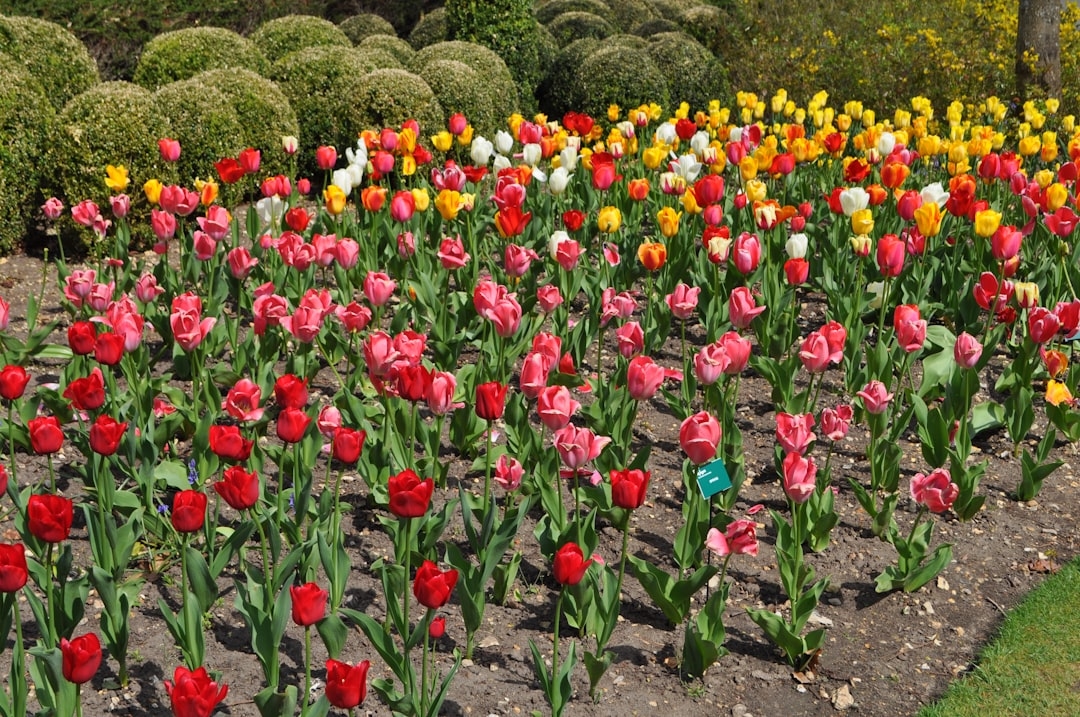
The Royal General Bulbgrowers’ Association (KAVB) classifies tulips into 15 official divisions. For most gardeners, six groups matter most:
- Single Early (Division 1): Short stems (10–18 inches), bloom in early spring, excellent for forcing indoors.
- Darwin Hybrid (Division 4): Large flowers on strong 24–28 inch stems, good perennial performance in Zones 4–6.
- Triumph (Division 3): Mid-season bloomers with sturdy stems, the most widely grown cut flower type.
- Parrot (Division 10): Fringed, feathered petals in dramatic color breaks; shorter vase life but spectacular in borders.
- Viridiflora (Division 8): Green-streaked petals with long vase life and a subtle, sophisticated look.
- Species (Division 15): Small, often multi-flowered, and genuinely perennial — they naturalize in well-drained soil.
Knowing your division guides every decision that follows — from planting depth to expected bloom window to whether the bulbs are worth saving after flowering.
Tulips vs. Daffodils: Clearing Up the Confusion
New gardeners sometimes conflate tulip and daffodil bulbs at the point of purchase, especially when buying mixed “spring bulb” collections. The differences are significant and worth knowing before you plant.
Daffodil bulbs (Narcissus spp.) are toxic to deer, squirrels, and most rodents — pests leave them alone in the ground. Tulip bulbs are palatable to the same animals and require protective measures in many regions. Daffodils are also reliably perennial across a wider range of climates, returning and multiplying for decades without lifting. Most hybrid tulips, by contrast, decline after 2–3 years unless conditions are nearly perfect.
Visually, daffodil bulbs have a papery, light brown tunic and a pronounced basal plate with a pointed neck offset to one side. Tulip bulbs are more symmetrical, rounder, with a darker reddish-brown tunic and a clearly centered pointed tip. When in doubt: if the bulb smells faintly sweet and has an offset neck, it’s a daffodil.
Selecting and Sourcing Quality Bulbs
Bulb size directly predicts bloom quality. Tulip bulbs are graded in centimeters of circumference. For most hybrid types, look for bulbs graded 12 cm or larger. Top-size Darwin Hybrid bulbs run 14 cm and above. Anything below 10 cm will likely produce foliage but no flower in its first year.
Purchase from reputable mail-order bulb suppliers — companies like Van Engelen, Colorblends, or John Scheepers ship large-format, graded bulbs that retail chains rarely stock. Mail-order pricing runs roughly $0.40–$1.50 per bulb depending on variety and quantity, compared to $0.75–$2.50 per bulb at big-box stores for often smaller sizes. Ordering in late summer (July–August) gives you the best selection; most quality suppliers sell out of popular cultivars by September.
💡 What the Pros Know
Commercial cut flower growers pre-cool their bulbs at 35–45°F (2–7°C) for exactly 12–16 weeks before planting, regardless of outdoor temperatures. Home gardeners in Zones 7–8 can replicate this by storing purchased bulbs in a paper bag (never plastic) in the refrigerator — away from ripening fruit, which emits ethylene gas that damages flower embryos inside the bulb.
Soil Preparation: The Foundation of a Good Tulip Planting
Drainage is non-negotiable. Tulip bulbs sitting in waterlogged soil will rot within weeks. The ideal growing medium is a well-drained loam or sandy loam with a pH of 6.0–7.0. In heavy clay soils, raise beds by 8–12 inches and amend with coarse horticultural sand (not play sand) and compost at a 1:1:1 ratio with existing soil.
Before planting, work a slow-release bulb fertilizer into the bottom of the planting area. A formula with a ratio of approximately 5-10-20 (N-P-K) supports root development and future bulb offset production without pushing excessive foliage at the expense of flowers. Avoid high-nitrogen fertilizers at planting — they encourage the soft, lush growth that fungal pathogens like Botrytis tulipae (tulip fire) exploit.
Quick Cost Breakdown: Planting a 50-Bulb Bed
- 50 Darwin Hybrid bulbs (mail order, 12 cm+): $25–$45
- 2 cubic feet bagged compost amendment: $8–$12
- Slow-release bulb fertilizer (5 lb bag): $12–$18
- Hardware cloth (for vole protection, optional): $10–$20
- Total estimated cost: $55–$95 for a 15–20 square foot bed
How to Plant Tulip Bulbs: Depth, Spacing, and Timing
Plant tulip bulbs at a depth of three times their diameter, measured from the base of the bulb. For a standard large bulb (about 2 inches in diameter), that means the top of the bulb sits 6 inches below the soil surface, with the planting hole 8 inches deep. Deeper planting — up to 10 inches — is actually beneficial in Zones 5 and warmer because it moderates soil temperature swings and reduces the chance of premature sprouting during winter warm spells.
Space bulbs 4–6 inches apart for a formal, high-density look, or 6–8 inches for naturalistic drifts. Point the nose of the bulb upward. If you genuinely cannot tell which end is up, plant the bulb on its side — it will right itself, though it will bloom a week or two later than properly oriented bulbs.
Timing is governed by soil temperature, not the calendar. Plant when soil temperature at 6-inch depth drops to 40–50°F. In most of Zone 5–6, that’s mid-October. Zone 7 gardeners often wait until November. Planting too early — when soil is still 55°F or warmer — causes premature top growth and increases disease risk.
Protecting Bulbs from Rodent Damage
Voles and squirrels are the primary threats. The most effective physical deterrent is a hardware cloth basket: cut 1/2-inch mesh into a rectangle, fold it into an open-topped box, place your bulbs inside, and bury the whole assembly. The roots grow through the mesh; rodents cannot chew through it efficiently. Alternatively, plant bulbs in clusters surrounded by daffodil bulbs — the toxic Narcissus alkaloids repel most rodents from the bed entirely.
Forcing Tulips Indoors: Bringing Spring to Your Windowsill
Forcing is the process of manipulating temperature and light to trigger bloom outside the natural growing season. Tulips are among the easiest bulbs to force successfully, and a single pot of blooming tulips in January has a psychological value that’s hard to put a number on.
Choosing Cultivars for Forcing
Not all tulips force equally well. The best performers for indoor forcing include Single Early types (‘Apricot Beauty’, ‘Christmas Marvel’), Triumph types (‘Ile de France’, ‘Negrita’), and compact Darwin Hybrids. Avoid double-flowered and Parrot types for first attempts — their heavier heads require more structural support and they’re more sensitive to temperature fluctuations during forcing.
The Forcing Process, Step by Step
- Pot up bulbs (September–November): Use a container at least 6 inches deep with drainage holes. Fill with well-draining potting mix. Plant bulbs close together — tips just below the soil surface — with the flat side of the bulb facing the pot’s edge (this produces the longest, most even outer leaves).
- Cold treatment (12–16 weeks at 35–45°F): Place pots in a refrigerator, cold garage, or unheated basement. Keep consistently cold but above freezing. Check monthly for moisture; water lightly if the soil is completely dry.
- Transition to warmth: After the minimum chilling period, move pots to a cool room (50–60°F) with indirect light for 1–2 weeks, then to a bright, 60–65°F room. Avoid direct sunlight, which causes stems to stretch unevenly.
- Bloom timeline: Expect flowers 2–4 weeks after moving to warmth, depending on cultivar and room temperature. Cooler rooms produce longer-lasting blooms — at 60°F, a forced tulip will hold its flowers for 10–14 days.
Forcing Cost Breakdown
- 6-inch terra cotta pot (per unit): $2–$6
- 5 Single Early bulbs (forcing grade): $4–$8
- 1 quart potting mix: $1–$2
- Total per pot: $7–$16 — comparable to a cut flower bouquet, but lasting longer
Seasonal Care: From Emergence to Summer Dormancy
Early Spring: Protecting Emerging Shoots
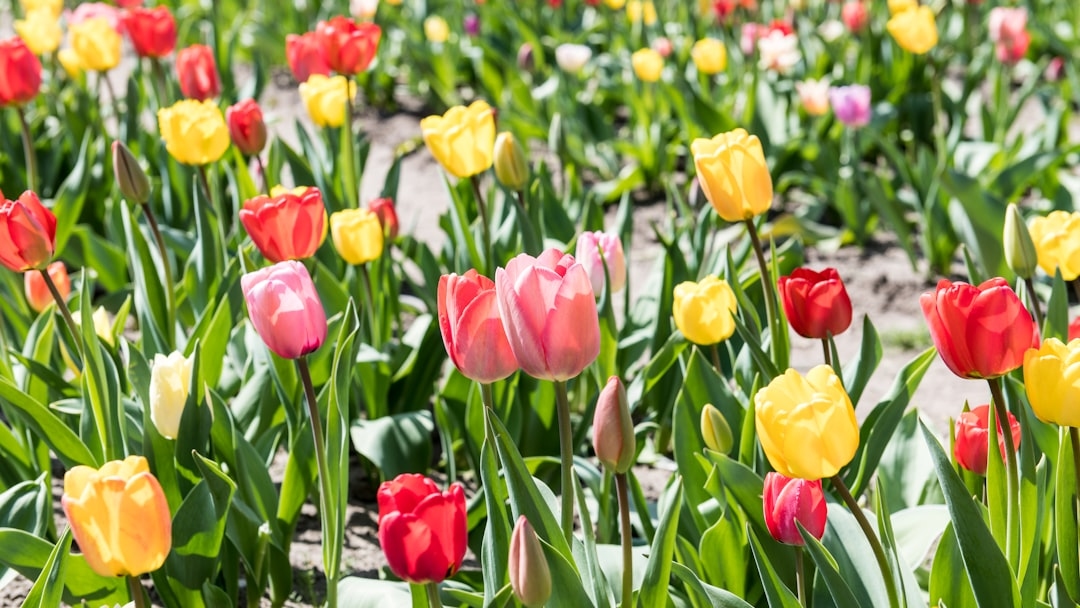
Tulip shoots can emerge while nighttime temperatures still drop into the 20s°F. They are more cold-tolerant than they look — a hard frost will flatten them temporarily, but they usually recover within a day or two as temperatures rise. If a hard freeze below 20°F is forecast after significant shoot emergence, cover plantings with a single layer of frost cloth.
During Bloom: Deadheading and Flower Care
Deadhead spent flowers promptly by snapping off the seed head below the base of the bloom, leaving the stem and all leaves intact. Removing developing seed capsules redirects the plant’s energy back into the bulb, improving next year’s performance. Do not remove any foliage until it has yellowed and collapsed on its own — this process takes 6–8 weeks after bloom and is not optional. The foliage is the factory producing the sugars that charge the bulb for next season.
The Ugly Phase: Managing Post-Bloom Foliage
Dying tulip foliage is genuinely unattractive. Experienced gardeners plant tulips among later-emerging perennials — hostas, daylilies, hardy geraniums — that expand to cover the declining bulb foliage by late May. Interplanting with forget-me-nots (Myosotis sylvatica) is a classic combination that serves the same purpose while adding blue color at the base of tulip stems during bloom.
Do not braid, rubber-band, or knot the foliage. These practices restrict photosynthesis and produce significantly smaller bulbs, degrading performance the following year.
Lifting, Storing, and Replanting Bulbs
In Zones 3–5 with well-drained soil, many gardeners leave bulbs in the ground permanently. Darwin Hybrids and Species tulips are the best candidates for perennialization. In Zones 6–7, or in heavier soils, lifting is advisable every 2–3 years.
Lift bulbs once foliage is completely yellow, usually late June. Brush off soil, remove the old tunic if it’s loose, and separate offsets (daughter bulbs). Cure in a single layer in a warm, dry, ventilated space for 1–2 weeks. Store in mesh bags or open trays at 60–65°F with low humidity until fall planting. Inspect monthly and discard any bulbs showing soft spots, blue-gray mold (Penicillium), or dried rot.
Tulip Diseases and Pests: What to Watch For
Tulip fire (Botrytis tulipae) is the most destructive disease in wet, cool springs. It manifests as scorched-looking spots on leaves and petals, often with a gray fuzzy spore mass in humid conditions. Remove and dispose of affected plants immediately — do not compost. Prevent recurrence by improving air circulation, avoiding overhead watering, and rotating tulip beds every 3–4 years.
Tulip breaking virus (TBV) causes the “broken” color patterns — flames and feathers of contrasting color on petals — that drove 17th-century Dutch collectors to ruin. It’s spread by aphids and has no cure. Remove infected plants to prevent spread. Ironically, those broken Rembrandt tulips in old Dutch paintings were all diseased specimens.
Aphids are the primary insect pest. A strong spray of water from a hose knocks them off effectively. Neem oil or insecticidal soap work for persistent infestations. Always treat aphid problems promptly, since they vector TBV in addition to causing direct feeding damage.
Tulips for Cut Flowers: Extending Vase Life
Cut tulips in the early morning when stems are fully hydrated, at the bud stage — just as color shows at the tip but before the flower has opened. Use a sharp, clean knife or floral snips; scissors crush the vascular tissue. Immediately place stems in cool water and move to a cool, dark location for 1–2 hours before arranging.
Tulips are phototropic and will bend toward light sources in a vase. Rotating the arrangement daily helps maintain straight stems. Vase life averages 5–10 days depending on cultivar and room temperature; Single Late and Viridiflora types typically outlast Parrot and Double varieties. Keep away from fruit bowls — ethylene gas from ripening fruit accelerates petal drop.
💡 What the Pros Know
Professional florists add a copper penny to tulip vase water — the copper ions have mild antimicrobial properties that slow bacterial buildup in the vase. More effective, though: change the water completely every 2 days, recut stems at a 45-degree angle each time, and keep the arrangement below 65°F at night. Those three habits matter more than any additive.
Frequently Asked Questions
How deep should tulip bulbs be planted?
Plant tulip bulbs at a depth of three times their diameter. For most large hybrid bulbs (about 2 inches in diameter), that means the hole should be 8 inches deep, with the top of the bulb 6 inches below the soil surface. In warmer zones (6–7), planting 8–10 inches deep helps insulate bulbs from summer heat.
Can tulip bulbs be left in the ground year-round?
In Zones 3–5 with excellent drainage, Darwin Hybrid and Species tulips can remain in the ground indefinitely and will naturalize over time. In warmer or wetter climates, bulbs should be lifted after foliage dies back, stored dry over summer, and replanted each fall for reliable blooms.
Why didn’t my tulips bloom this year?
The most common causes are: insufficient chilling hours (fewer than 12 weeks below 45°F), foliage removed too early after last year’s bloom, bulbs too small at planting (under 10 cm circumference), overcrowding with reduced nutrient access, or bulbs eaten or disturbed by rodents. In mild-winter climates, lack of adequate cold is almost always the culprit.
How long does tulip forcing take from bulb to bloom?
Forcing tulips takes 15–20 weeks total: 12–16 weeks of cold treatment (35–45°F), followed by 2–4 weeks at room temperature to trigger stem elongation and bloom. Single Early cultivars tend to bloom fastest after chilling; Double Late types take longest.
Are tulips toxic to pets?
Yes. All parts of the tulip plant contain allergenic lactones (tulipalin A and B), with the highest concentration in the bulb. Ingestion causes vomiting, diarrhea, and lethargy in dogs and cats. Tulips are severely toxic to cats, which lack the liver enzymes to process many plant compounds. Keep bulbs stored out of reach and consult a veterinarian immediately if ingestion is suspected.
Planning Your Best Tulip Season Yet
The single highest-impact decision any tulip grower can make is this: order bulbs earlier and spend the extra money on size. A 14 cm top-size Darwin Hybrid bulb from a specialty supplier will outperform a 10 cm bulb from a discount bin in every measurable way — stem height, flower diameter, and perennial return. This complete tulip guide has covered the full arc from soil preparation through forcing and post-bloom storage, but the thread connecting all of it is the same: tulips respond to attention. Give them cold, give them drainage, let the foliage finish, and choose cultivars suited to your zone. Do those four things consistently, and the results will be consistent too.
This fall, try adding one forcing pot to your routine — a single pot of ‘Apricot Beauty’ chilled from October and moved to a sunny windowsill in January is enough to shift how the shortest days of the year feel. That’s the practical promise of working with tulips at any level of experience.