Contents:
- What Is a Gardenia? Origins and Varieties Worth Growing
- Top Gardenia Varieties for Small Spaces
- The Gardenia Care Guide: Light, Water, Soil, and Humidity
- Light Requirements
- Watering: The Most Common Mistake
- Soil pH: The Non-Negotiable Factor
- Humidity: The Secret Variable
- Temperature and Placement: Getting the Environment Right
- Fertilizing Gardenias for Maximum Blooms
- Seasonal Gardenia Care Calendar
- Spring (March – May)
- Summer (June – August)
- Fall (September – November)
- Winter (December – February)
- Pruning Gardenias: When and How
- Propagating Gardenias: Grow More for Free
- Common Gardenia Problems and How to Fix Them
- Yellowing Leaves
- Bud Drop
- Pests: Whiteflies, Aphids, and Mealybugs
- Sooty Mold
- Eco-Friendly Gardenia Care: A Sustainable Approach
- Gardenias in Small Apartment Spaces: Practical Tips
- Frequently Asked Questions About Gardenia Care
- Why is my gardenia dropping buds before they open?
- How often should I water my gardenia?
- Can gardenias grow indoors year-round?
- What is the best fertilizer for gardenias?
- Why are my gardenia leaves turning yellow?
- Bring Gardenias Into Your Life — Starting This Season
- Light: Bright, indirect light — 6–8 hours daily
- Water: Keep soil consistently moist; never waterlogged
- Humidity: 50–60% relative humidity minimum
- Temperature: 65–70°F (day) / 60–65°F (night)
- Soil pH: Acidic, between 5.0 and 6.0
- Fertilizer: Acid-formulated feed every 2–4 weeks in spring and summer
- Blooming Season: Late spring through summer (May–August)
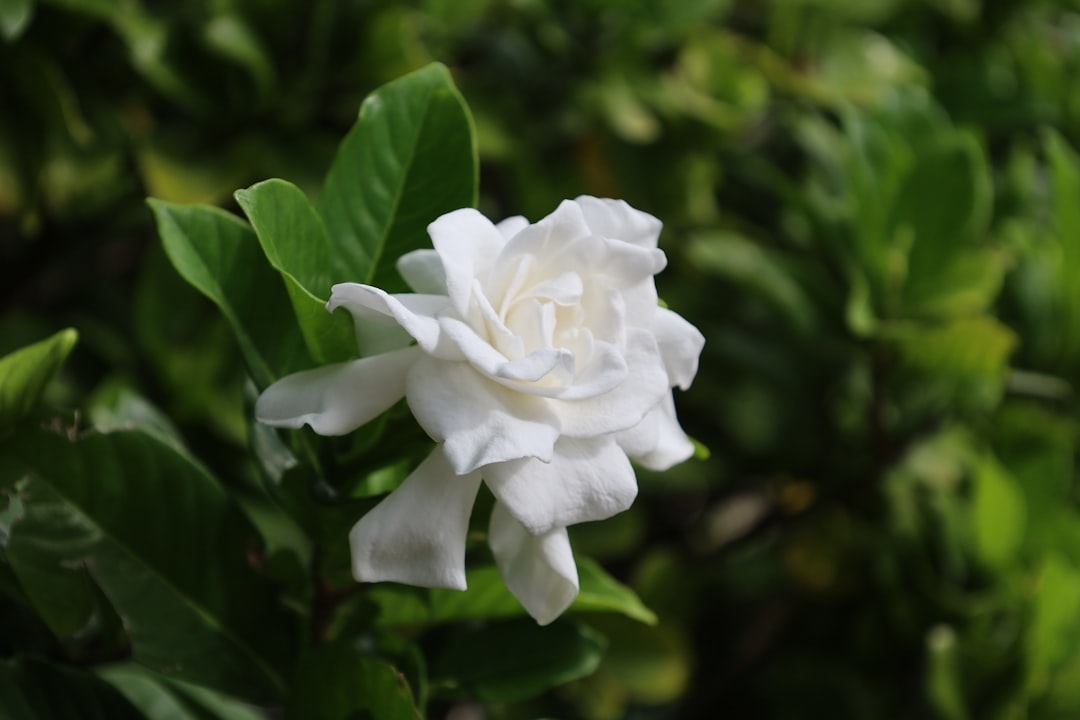
A single gardenia bloom contains over 200 individual volatile compounds that produce its iconic fragrance — more chemical complexity than most perfumers work with in an entire collection. That level of biological sophistication helps explain why Gardenia jasminoides is both breathtakingly rewarding and stubbornly demanding. This gardenia care guide exists to close that gap, giving you the science-backed, hands-on knowledge to grow lush, fragrant gardenias whether you tend a backyard bed in Georgia or a south-facing windowsill in a Chicago studio apartment.
Gardenias are not beginner plants, but they are absolutely achievable plants. With the right conditions locked in, they repay every bit of effort with waxy white blooms and a scent that transforms a room instantly. The trick is understanding exactly what they need — and why.
What Is a Gardenia? Origins and Varieties Worth Growing
Gardenias belong to the Rubiaceae family — the same botanical family as coffee. Native to the tropical and subtropical regions of Africa, Asia, and the Pacific Islands, they were introduced to European horticulture in the 18th century and named after Scottish-American naturalist Dr. Alexander Garden. Today, over 200 species exist, but for home growers in the US, a handful of cultivars dominate.
Top Gardenia Varieties for Small Spaces
- Gardenia jasminoides ‘Radicans’: A compact dwarf variety reaching just 2 feet tall and 3 feet wide — ideal for containers, apartment balconies, or small patio corners. Blooms in June and July.
- Gardenia jasminoides ‘Kleim’s Hardy’: One of the most cold-tolerant cultivars, surviving down to USDA Hardiness Zone 6b. Single blooms with a strong fragrance. Tops out at 3 feet.
- Gardenia jasminoides ‘Crown Jewel’: Bred specifically for cold hardiness (Zone 6), with a mounding habit under 3 feet. Excellent for container growing indoors through winter.
- Gardenia jasminoides ‘August Beauty’: A mid-size variety (4–6 feet) that blooms twice — once in late spring and again in late summer. A strong choice for those who want maximum flowering time.
- Gardenia jasminoides ‘Veitchii’: The classic florist’s gardenia. Compact, highly fragrant, and reblooming. Available at most nurseries for $15–$40 depending on pot size.
For apartment growers, ‘Radicans,’ ‘Kleim’s Hardy,’ and ‘Veitchii’ are the trio worth focusing on. All three stay manageable in 10–14 inch containers and produce blooms that fill a small space with fragrance entirely on their own.
The Gardenia Care Guide: Light, Water, Soil, and Humidity
Gardenias are native to humid, subtropical environments with filtered forest light. Every care decision you make should reflect that origin. When a gardenia drops its buds or yellows its leaves, it is almost always communicating that one of four variables — light, water, soil chemistry, or humidity — is off. Master all four and the plant practically takes care of itself.
Light Requirements
Gardenias need bright, indirect light for 6–8 hours per day. Direct afternoon sun, especially through glass, scorches the leaves and stresses the plant during bud development. For apartment growers, a south- or east-facing window is the sweet spot. A west-facing window works if you diffuse the light with a sheer curtain between 1 and 5 PM.
Supplemental grow lights are a legitimate solution in low-light apartments. Full-spectrum LED grow lights positioned 12–18 inches above the plant for 14–16 hours per day replicate natural subtropical photoperiods effectively. Budget around $35–$80 for a quality clip-on or bar-style LED grow light suitable for a single container plant.
Watering: The Most Common Mistake
Overwatering kills more gardenias than underwatering. The goal is consistently moist soil — not soggy, not bone dry. Water thoroughly when the top inch of soil feels dry to the touch, then allow excess water to drain completely. Never let a gardenia sit in standing water in its saucer for more than 30 minutes.
Water quality matters enormously. Tap water in many US cities contains fluoride and chlorine at levels that cause tip burn and interfere with iron absorption. Use filtered water, distilled water, or rainwater whenever possible. If you must use tap water, fill a pitcher and let it sit uncovered overnight — this allows chlorine to off-gas before the next watering.
Soil pH: The Non-Negotiable Factor
Gardenias are acid-loving plants. They require a soil pH between 5.0 and 6.0. Outside this range — even slightly — their ability to absorb iron and magnesium collapses, triggering chlorosis (yellowing leaves with green veins), poor blooming, and eventual decline.
Use an ericaceous (acid) potting mix formulated for azaleas, rhododendrons, and gardenias. Brands like Espoma’s Organic Potting Mix or Miracle-Gro’s Azalea, Camellia & Rhododendron Potting Mix are widely available at Home Depot and Lowe’s for $10–$18 per bag. Test your soil pH annually with an inexpensive digital meter ($12–$25). If pH creeps above 6.0, a diluted solution of white vinegar (1 tablespoon per gallon of water) or an acidifying fertilizer application brings it back down quickly.
Humidity: The Secret Variable
Low humidity is the single most common reason indoor gardenias fail to bloom or drop their buds before opening. Gardenias need a minimum of 50% relative humidity — ideally 60%. Most US homes run between 30–45% in winter when heating systems are active.
Solutions for apartment growers:
- Pebble tray method: Place the pot on a tray filled with pebbles and water. As the water evaporates, it creates a localized humidity zone around the plant. Keep the water level below the pot’s drainage holes.
- Small humidifier: A compact ultrasonic humidifier ($25–$50) placed within 3 feet of the plant is the most consistent solution. This also benefits other tropical houseplants nearby.
- Grouping plants: Clustering gardenias with other humidity-loving plants (like ferns or peace lilies) creates a micro-climate with slightly elevated humidity through collective transpiration.
- Avoid misting: Counter-intuitively, misting the foliage directly encourages fungal leaf spot and does not meaningfully raise ambient humidity. Skip it.
Temperature and Placement: Getting the Environment Right
Gardenias are precise about temperature in a way that surprises many growers. They bloom most reliably when daytime temperatures hover between 65–70°F and nighttime temperatures drop to 60–65°F. That slight drop — roughly 5–10 degrees overnight — is actually a bloom trigger. Homes that maintain a constant 72°F around the clock often produce gardenias with abundant foliage but minimal flowers.
In USDA Hardiness Zones 8–11 (the Southeast, Gulf Coast, and Pacific Coast of California), gardenias can live outdoors year-round. In Zones 6–7, container growing with indoor overwintering is the practical approach. In Zone 5 and below, treat gardenias as container plants exclusively and move them inside before the first frost.
Keep gardenias away from heating vents, radiators, and drafty windows. Temperature fluctuations of more than 10°F within a few hours cause bud drop — one of the most frustrating gardenia problems and one of the most preventable.
Fertilizing Gardenias for Maximum Blooms
Feeding gardenias correctly is the difference between a handful of blooms and a plant that seems constantly in flower through summer. Use an acid-formulated fertilizer — options include Espoma Holly-Tone, Miracle-Gro Azalea Plant Food, or Schultz Azalea, Camellia & Rhododendron Fertilizer. Apply every 2–4 weeks from early spring through late summer.
Stop fertilizing in September. Feeding in fall stimulates new tender growth that cannot harden off before winter, making the plant vulnerable to cold stress. Resume feeding the following spring once new growth appears.
Iron deficiency is common and shows up as yellow leaves with dark green veins (interveinal chlorosis). A chelated iron supplement applied as a soil drench or foliar spray corrects this within 2–3 weeks. Products like Southern Ag Chelated Liquid Iron ($12–$18) are widely available online and at garden centers.
Seasonal Gardenia Care Calendar
Timing your care to the seasons keeps your gardenia in peak condition year-round. Here is a month-by-month framework for US growers:
Spring (March – May)
Resume fertilizing in early March as light levels increase and new growth begins. Repot if the plant is rootbound — look for roots circling the bottom of the pot or emerging from drainage holes. Move up one pot size (2 inches in diameter) and refresh the acidic potting mix. Begin increasing watering frequency as temperatures rise. This is also the ideal time to take stem cuttings for propagation (more on that below).
Summer (June – August)
Peak blooming season. Maintain consistent moisture, humidity, and feeding every 2 weeks. Deadhead spent blooms promptly — removing faded flowers redirects energy to new buds and keeps the plant tidy. If outdoor temperatures stay above 55°F at night, container gardenias benefit from spending summer outdoors in a sheltered, partially shaded spot. Acclimate them gradually over 7–10 days to avoid shock.
Fall (September – November)
Stop fertilizing by September 1. Begin transitioning outdoor container plants back inside before nighttime temperatures fall below 55°F — typically October across Zones 6–8. Reduce watering slightly as growth slows. Inspect carefully for pests before bringing plants indoors.
Winter (December – February)
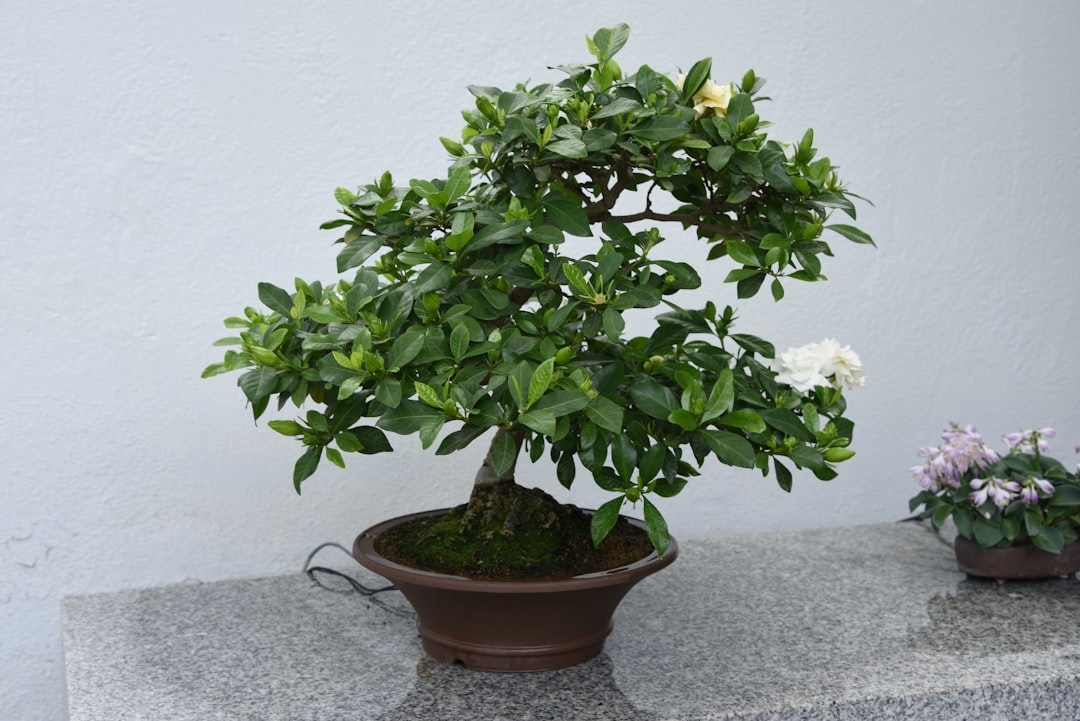
Rest period. Maintain minimum temperatures of 60°F, keep soil slightly moist but allow it to dry out more between waterings, and run a humidifier to counteract dry indoor heating air. Avoid moving the plant or changing its light exposure — stability is the goal. Don’t fertilize. Buds for next year’s blooms are actually being set during this period in response to cool nights and shorter days.
Pruning Gardenias: When and How
Gardenias set their flower buds in late summer and fall for the following year’s bloom. This timing dictates the pruning window precisely: prune only after the current season’s blooms have fully faded — typically late July through August. Pruning in September or later risks cutting off the buds already forming for next year.
Use clean, sharp bypass pruners (wipe blades with 70% isopropyl alcohol between cuts to prevent disease spread). Remove dead or crossing branches first, then shape the plant by cutting stems back to just above a leaf node or side branch. You can reduce overall size by up to one-third without stressing the plant. For compact container varieties like ‘Radicans,’ a light trim of just 2–4 inches is usually sufficient to maintain shape.
Propagating Gardenias: Grow More for Free
Gardenias propagate reliably from stem cuttings — a sustainable practice that lets you expand your collection without spending $25–$40 on nursery plants each time. Spring, when the plant is actively growing, is the optimal time.
- Take a 4–5 inch cutting from a healthy, non-flowering stem. Cut just below a leaf node at a 45-degree angle.
- Remove the lower leaves, leaving 2–3 leaves at the tip.
- Dip the cut end in rooting hormone powder (available for $5–$10 at most garden centers).
- Plant the cutting in a small pot filled with a 50/50 mix of perlite and peat moss — or a premade propagation mix.
- Cover loosely with a clear plastic bag or humidity dome to maintain 70–80% humidity around the cutting.
- Place in bright, indirect light at 70–75°F. Roots typically develop in 4–8 weeks.
Once rooted, transition the cutting to acidic potting mix and care for it as you would a mature plant. You’ll have a blooming-size plant within 2–3 years.
Common Gardenia Problems and How to Fix Them
Yellowing Leaves
The cause depends on which leaves are yellowing. Older, lower leaves yellowing uniformly is natural leaf drop — normal and harmless. New growth yellowing with green veins points to iron deficiency (low pH is likely the culprit). Yellow leaves combined with soggy soil signal root rot from overwatering. Address the root cause rather than chasing symptoms with fertilizer.
Bud Drop
The most heartbreaking gardenia problem. Causes include: temperature fluctuations above 10°F, low humidity below 40%, inconsistent watering, or moving the plant after buds form. Once buds drop, they don’t come back that season. Prevention is the only cure — stabilize environment and resist the urge to reposition the plant once you see buds developing.
Pests: Whiteflies, Aphids, and Mealybugs
Gardenias attract whiteflies and aphids, particularly when grown indoors. Inspect the undersides of leaves weekly. At the first sign of infestation, treat with insecticidal soap spray (mix 1 teaspoon of pure castile soap per quart of water) or neem oil solution. Repeat every 5–7 days for 3 applications to break the pest life cycle. Neem oil is an organic, biodegradable option — a 16-oz bottle costs $10–$15 and treats dozens of applications.
Sooty Mold
Black, soot-like coating on leaves is almost always a secondary infection following a pest infestation (the mold grows on the honeydew pests secrete). Eliminate the pest first, then wipe leaves with a damp cloth to remove the mold. The plant will recover once the pest pressure is gone.
Eco-Friendly Gardenia Care: A Sustainable Approach
Growing gardenias sustainably isn’t just good for the environment — it often produces healthier plants. Here are practices worth building into your routine:
- Collect rainwater: Set a bucket outside during rain events. Rainwater is naturally soft, slightly acidic (pH around 5.6–6.0), and free of chlorine — essentially perfect gardenia water at zero cost.
- Use organic fertilizers: Espoma Holly-Tone and similar organic acid fertilizers release nutrients slowly, reducing runoff risk and feeding soil microbes that support long-term plant health.
- Compost spent blooms and leaves: Spent gardenia flowers and healthy pruned material compost well. Avoid composting diseased material.
- Choose terracotta pots: Unglazed terracotta breathes, which helps prevent the waterlogged soil conditions that kill gardenias. It’s also a natural material with a lower environmental footprint than plastic pots.
- Propagate instead of buying: Every cutting you root is a plant you don’t need to buy — reducing packaging waste, transportation emissions, and the carbon cost of commercial nursery production.
Gardenias themselves contribute to local ecosystems when grown outdoors. Their blooms attract pollinators, and the dense evergreen foliage provides shelter for small birds. In Zone 8 and warmer, a mature gardenia hedge is genuinely wildlife habitat.
Gardenias in Small Apartment Spaces: Practical Tips
Living in an apartment does not mean compromising on the gardenia experience — it means being intentional about placement and care. A 10-inch container of ‘Veitchii’ on a south-facing windowsill will bloom just as magnificently as a garden shrub if its needs are met.
- Choose the right container: A 10–14 inch terracotta pot with drainage holes is ideal for most compact varieties. Repot every 2 years, moving up just one pot size.
- Use a humidity tray as your default: In apartments, heat rises and humidity tends to be low. A pebble tray costs nothing and works continuously without maintenance.
- Invest in a grow light for winter: North-facing apartments or units on lower floors of dense urban buildings often can’t provide adequate natural light from October through February. A $40 LED grow light on a timer is a worthwhile investment for reliable blooming.
- Watch your thermostat: A consistent 68°F is fine, but if you can program a slight night drop to 62–64°F, your gardenia will set more buds. Many modern smart thermostats (Nest, Ecobee) can be programmed to do this automatically.
- Fragrance management: One blooming gardenia in a small apartment produces a powerful scent. If you’re sensitive, keep it near an open window or in a larger room. The scent dissipates quickly with ventilation.
Frequently Asked Questions About Gardenia Care
Why is my gardenia dropping buds before they open?
Bud drop is almost always caused by one or more environmental stressors: low humidity (below 50%), temperature fluctuations greater than 10°F, inconsistent watering, or moving the plant after buds have formed. Keep humidity above 50%, maintain stable temperatures between 60–70°F, water consistently, and do not relocate the plant once buds appear.
How often should I water my gardenia?
Water when the top inch of soil feels dry — typically every 3–5 days in active growth periods and every 7–10 days in winter. Always water thoroughly until it drains from the bottom, then empty the saucer after 30 minutes. Use filtered or rainwater when possible to avoid fluoride and chlorine buildup.
Can gardenias grow indoors year-round?
Yes. Gardenias grown indoors year-round thrive when given bright indirect light (6–8 hours daily or supplemented with a grow light), consistent humidity above 50%, acidic potting soil, and acid fertilizer applied spring through summer. The key challenge indoors is humidity — a small humidifier resolves this reliably.
What is the best fertilizer for gardenias?
An acid-formulated fertilizer with a ratio that favors iron and magnesium — such as Espoma Holly-Tone (4-3-4) or Miracle-Gro Azalea, Camellia & Rhododendron Plant Food (30-10-10 water-soluble) — works best. Apply every 2–4 weeks from March through August. Stop feeding in September to allow the plant to harden off before winter.
Why are my gardenia leaves turning yellow?
Yellowing leaves have distinct causes depending on location and pattern. Older lower leaves yellowing uniformly: normal seasonal leaf drop. New leaves yellowing with green veins (chlorosis): iron deficiency caused by high soil pH — test and correct pH to 5.0–6.0, then apply chelated iron. All leaves yellowing with soggy soil: overwatering and likely root rot — reduce watering immediately and check drainage.
Bring Gardenias Into Your Life — Starting This Season
Spring nursery season typically runs from April through June across most of the US — the ideal window to purchase a healthy container gardenia and give it a full growing season to establish before its first winter. Look for plants with glossy, dark green leaves, no yellowing, and visible bud development. Expect to pay $15–$45 depending on size and variety at local garden centers; specialty cultivars like ‘Crown Jewel’ or ‘Kleim’s Hardy’ occasionally run higher at $50–$65 online.
Start with one plant. Get comfortable with its rhythms — how quickly the soil dries, how it responds to your home’s humidity, when it sets buds. Gardenias reward attention and patience in equal measure. That first morning when you walk into your apartment and the scent hits you — rich, white, and unmistakable — you’ll understand exactly why gardeners have been obsessing over this plant for centuries.
Your gardenia journey starts with one good pot, one south-facing window, and this care guide bookmarked for reference. The blooms will follow.