Contents:
- What Makes Amaryllis Different from Other Bulbs
- Understanding the Bulb’s Annual Cycle
- Selecting the Right Amaryllis Bulb
- Popular Varieties Worth Growing
- How to Force Amaryllis Bulbs for Timed Blooms
- Potting and Initial Setup
- Light, Water, and Temperature During Forcing
- Staggering Bulbs for Extended Bloom Season
- Post-Bloom Care: The Phase Most Gardeners Skip
- Moving Outdoors for Summer Growth
- Triggering Dormancy for Reliable Reblooming
- The Dormancy Protocol
- Repotting at the End of Dormancy
- Diagnosing and Fixing Common Problems
- Hollow or Collapsed Stems
- Leaves But No Flowers
- Red Blotch (Stagonospora curtisii)
- Common Mistakes to Avoid
- Growing Amaryllis Outdoors Year-Round (Zones 9–11)
- Amaryllis as Cut Flowers
- Amaryllis Propagation: Growing Your Collection
- Twin Scaling
- Year-Round Care Calendar
- Frequently Asked Questions
- How long does an amaryllis bulb take to bloom after planting?
- Can amaryllis bulbs be saved and rebloomed every year?
- Why did my amaryllis produce leaves but no flowers?
- Do amaryllis need to be repotted every year?
- Are amaryllis toxic to pets?
- Building a Long-Term Amaryllis Practice
Every amaryllis bulb care guide worth reading starts with the same truth: most gardeners get one spectacular bloom, then watch their bulb slowly decline into a sad, leafy mass that never flowers again. You’re not alone if that’s your story. The amaryllis (Hippeastrum spp.) is one of the most rewarding bulbs you can grow indoors — but only if you understand what it actually needs across all four seasons, not just in December when the box arrives from the nursery.
This guide covers the full cycle: choosing and prepping bulbs, forcing blooms on your timeline, keeping the plant alive and thriving through summer, and triggering a reliable rebloom year after year. By the end, you’ll have the tools to treat amaryllis as a permanent fixture in your garden rotation rather than a one-season novelty.
What Makes Amaryllis Different from Other Bulbs
Amaryllis is often lumped in with tulips and daffodils, but the comparison doesn’t hold up under scrutiny. Unlike hardy spring bulbs that require prolonged outdoor cold to break dormancy, Hippeastrum species originate from South American highlands — regions with distinct wet and dry seasons, not freezing winters. That distinction shapes everything about how you care for them.
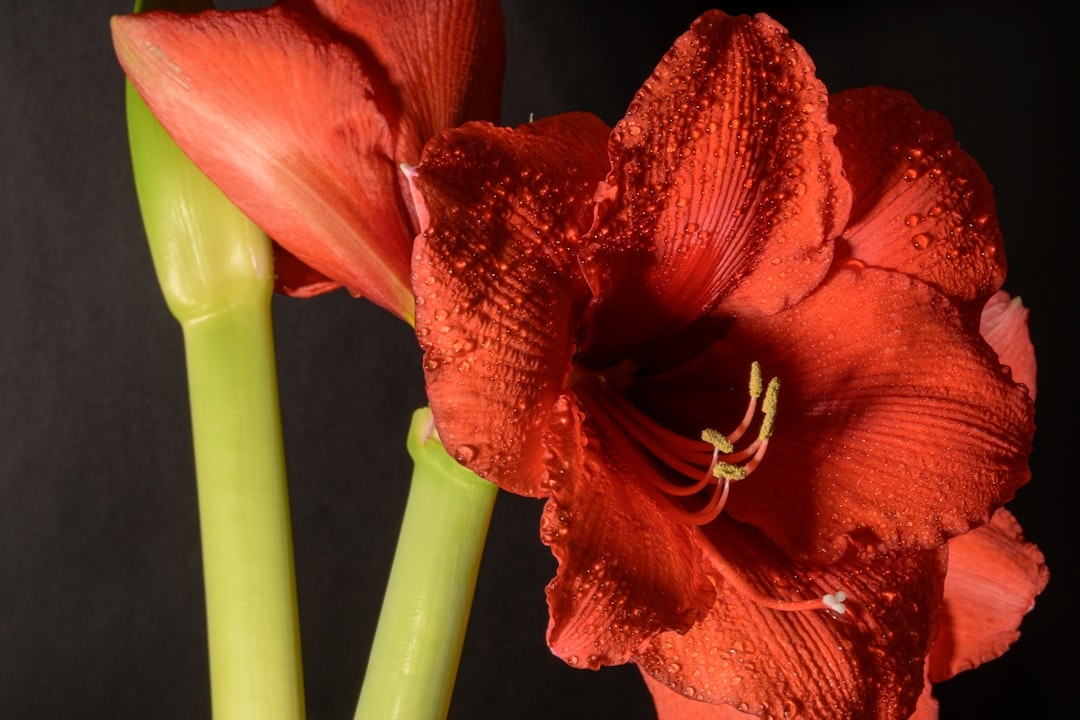
The bulbs sold in the US market are almost entirely hybrids developed from Andean and Brazilian species, bred for large flowers, upright stems, and indoor adaptability. A single mature bulb — anything 26 cm (10 inches) in circumference or larger at the shoulder — can produce two or more flowering stems simultaneously, each carrying three to five blooms. That’s a serious floral display from a single root structure.
Amaryllis also differ in their relationship to foliage and energy storage. The leaves that emerge after flowering aren’t decorative afterthoughts — they’re the engine that powers next year’s bloom. Every week of healthy leaf growth from February through September translates directly into flower production the following winter. Ignore the leaves, and you’re depleting the bulb’s reserves without replenishing them.
Understanding the Bulb’s Annual Cycle
The natural cycle of Hippeastrum runs roughly as follows: active growth and flowering in the wet season, followed by a dry-season dormancy when the plant drops its leaves and rests. In cultivation, you’re simulating that pattern artificially. The goal is to engineer a dormancy period that ends just when you want blooms — whether that’s Christmas, Valentine’s Day, or Easter.
Commercially, most bulbs sold in the US from October through December have already been pre-cooled and treated by the grower to bloom within 6 to 10 weeks of planting. That’s why a box-store amaryllis kit performs so reliably out of the box. The challenge is what comes next.
Selecting the Right Amaryllis Bulb
Bulb size is the single biggest predictor of bloom performance. A bulb with a circumference below 22 cm may produce only one scape (flower stem) and bloom less vigorously. Aim for bulbs labeled “jumbo” or “exhibition grade,” typically 28 to 34 cm in circumference. Specialty mail-order suppliers like Colorblends or Longfield Gardens offer measured bulbs with clear size specs — far more reliable than unlabeled box-store stock.
Check the bulb physically before you buy. You want firm, dry outer tunics (the papery covering), no soft spots at the base plate, no visible mold, and no premature root growth pushing out from the bottom. A little dry root tissue is fine. Wet, mushy roots or a spongy base plate are red flags for rot.
Popular Varieties Worth Growing
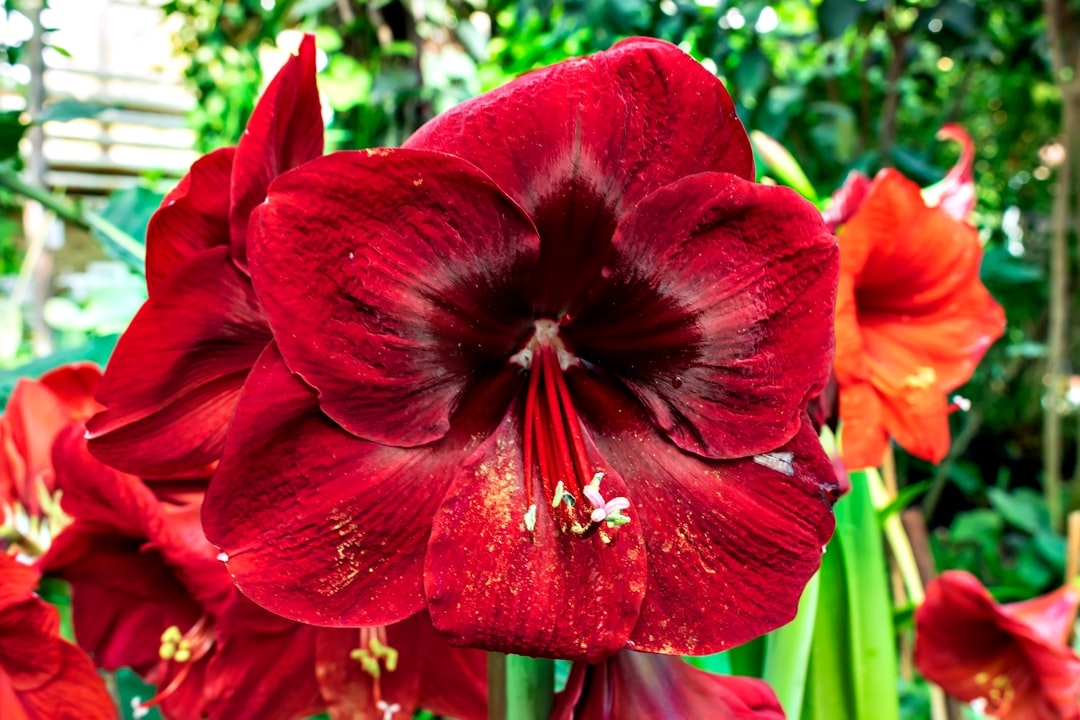
The variety landscape has expanded dramatically in the last decade. Classic reds like ‘Red Lion’ remain bestsellers for good reason — they’re vigorous, reliable, and produce stems that hold up well without staking. But there’s much more available:
- ‘Apple Blossom’ — Soft pink and white bicolor; one of the most widely available and consistently reblooming varieties.
- ‘Picotee’ — White petals edged in red; a high-contrast look that photographs well and lasts 2 to 3 weeks in bloom.
- ‘Lemon Star’ — Pale yellow with a green throat; unusual coloring that works well in modern interiors.
- ‘Dancing Queen’ — Double-flowered white with faint pink flushes; requires staking but delivers extraordinary volume.
- ‘Minerva’ — Red and white striped; extremely vigorous and a reliable rebloomer even in less-than-ideal conditions.
Double-flowered types like ‘Dancing Queen’ and ‘Alfresco’ are stunning but more susceptible to stem collapse if humidity is high or support is lacking. Single-flowered varieties are generally more forgiving for indoor conditions.
How to Force Amaryllis Bulbs for Timed Blooms
Forcing is the practice of manipulating a bulb’s environment to produce flowers outside its natural schedule. With amaryllis, it’s surprisingly controllable. The standard forcing window is 6 to 10 weeks from planting to first open flower, but you can push that closer to 6 weeks with warmth and shorten it further in rare cases with bottom heat.
Potting and Initial Setup
Choose a pot that’s only 1 to 2 inches wider than the bulb’s diameter. Amaryllis bloom best when slightly rootbound — a 6-inch pot is usually right for a standard bulb, a 7- to 8-inch pot for jumbos. Use a fast-draining potting mix: a standard peat-based mix works, but add 20 to 25% perlite to improve drainage and reduce rot risk.
Position the bulb so the top one-third protrudes above the soil line. This is non-negotiable. Burying the neck encourages rot at the most vulnerable point of the bulb. Water thoroughly once after potting, then wait until you see active root or shoot growth before watering again. That first dry period signals the roots to extend downward in search of moisture.
Place the pot in a warm location — 70 to 75°F (21 to 24°C) is optimal for initiating growth. A heat mat set to that range under the pot can speed up emergence by 7 to 10 days compared to a cool windowsill. Once the scape emerges 2 to 3 inches above the bulb, move the pot to your brightest window and begin regular watering.
Light, Water, and Temperature During Forcing
South- or west-facing windows produce the most upright stems and longest bloom duration. East-facing windows work but often produce leaning scapes as the plant reaches for morning light — rotate the pot 90 degrees every two days to counteract this. North-facing windows are insufficient; supplement with a grow light set 6 to 8 inches above the emerging scape, running 14 to 16 hours per day.
Water when the top inch of soil feels dry. Overwatering during forcing is the most common cause of stem collapse and bulb rot. Amaryllis don’t need fertilizer during the forcing phase — the bulb itself contains all the energy reserves needed to produce the scape and flowers. Save fertilizer for the post-bloom leaf growth phase.
Keep temperatures cool once buds begin to open: 60 to 65°F (15 to 18°C) at night extends individual flower life by 3 to 5 days. Blooms kept in warm rooms may last only 5 to 7 days; cool conditions can stretch that to 10 to 14 days per scape.
“The biggest mistake home growers make is treating amaryllis like a houseplant during forcing. It’s not a houseplant at that point — it’s a timed mechanism. Control the temperature, control the light, and you’ll get repeatable results every year.”
— Dr. Marta Kellison, Certified Professional Horticulturist and extension educator at the University of Florida IFAS
Staggering Bulbs for Extended Bloom Season
One of the most practical forcing strategies is sequential planting. If you pot one bulb every two to three weeks from October through December, you’ll have amaryllis blooming continuously from December through March. Three bulbs staged this way cost roughly $30 to $60 total at specialty prices and deliver over three months of indoor color — a better value than cut flowers at those prices.
Post-Bloom Care: The Phase Most Gardeners Skip
The flowers fade. The petals drop. Most gardeners at this point either throw the bulb away or shove it in a closet and forget it. Both approaches waste the potential locked inside that bulb.
Cut the spent flower scape at the base once all flowers have finished, but leave every leaf intact. Those leaves — typically four to six strap-like blades that emerge after or alongside the scape — are performing photosynthesis constantly, rebuilding the carbohydrate reserves that will power next winter’s bloom. Each leaf that you protect translates into more energy stored in the bulb’s scales.
Moving Outdoors for Summer Growth
In USDA Hardiness Zones 9 through 11, amaryllis can stay in the ground year-round. Everywhere else, move potted bulbs outdoors after your last frost date — typically May in Zone 6, April in Zone 7, and March in Zone 8 — and bring them back inside before the first fall frost.
Outdoor summer placement should offer morning sun with afternoon shade or dappled light all day. Full afternoon sun in zones above 7 can scorch the foliage and stress the bulb. A north-facing fence line or the east side of a building works well. Summer heat and humidity in the South and Midwest mimic the natural South American wet season and produce exceptional bulb development.
Begin a regular fertilization schedule once the plant is outdoors: a balanced 10-10-10 fertilizer every three to four weeks, or a slow-release granular formula applied once at the start of the outdoor season. In late summer, shift to a low-nitrogen, high-phosphorus formula like 5-10-10 to support root development without pushing excessive foliage.
🌿 What the Pros Know
Professional bulb growers in the Netherlands use a technique called “smoke treatment” — exposing bulbs to ethylene gas — to break dormancy and synchronize flowering for the commercial market. You can approximate this at home by placing a ripe apple or banana in a sealed bag with your dormant bulb for 24 to 48 hours. Ethylene from the ripening fruit can stimulate earlier sprouting, particularly in bulbs that are slow to emerge after their rest period.
Triggering Dormancy for Reliable Reblooming
This is where the amaryllis bulb care guide gets precise, and where most home growers either succeed or permanently plateau. To rebloom reliably, amaryllis requires a dry, cool rest period of 8 to 10 weeks. You initiate that rest deliberately, starting in late summer.
The Dormancy Protocol
Stop watering entirely in late August or early September. Move the pot to a cool, dark location — a basement, an attached garage, or an unheated spare room works well. Target temperatures of 50 to 55°F (10 to 13°C). The foliage will yellow and collapse over two to three weeks. Let it happen. Cut the dead leaves back to about an inch above the bulb’s neck once they’re fully brown and papery.
The bulb rests in this cool, dark, dry state for a minimum of 8 weeks. Ten to twelve weeks is even better for larger bulbs or those that didn’t get a full summer of outdoor growth. During dormancy, the bulb is preparing the flower embryo inside its scales — a process that requires both the cool temperature and the dry conditions to complete properly.
To time Christmas blooms, count back 8 to 10 weeks from your target bloom date and begin the warm, moist conditions on that date. To bloom by December 25, start the bulb in mid- to late October. For Valentine’s Day, start in early December.
Repotting at the End of Dormancy
Every two to three years, shake out the old potting mix and refresh it completely. Shake off as much old soil as you can, trim any dead or mushy roots, and dust the cut surfaces with powdered sulfur or cinnamon as a natural antifungal before repotting. Mature bulbs often produce offsets — small bulblets attached to the base plate — that can be carefully twisted free and potted individually. These offsets take two to three years to reach flowering size, but they’re essentially free plants.
Diagnosing and Fixing Common Problems
Amaryllis are relatively trouble-free, but specific problems show up repeatedly in home cultivation. Knowing the cause makes the fix obvious.
Hollow or Collapsed Stems
A scape that emerges but collapses or appears hollow inside has usually been affected by narcissus bulb fly larvae (Merodon equestris) or by bacterial soft rot. Bulb fly damage shows as a hollow center with brown frass when you cut the stem. Prevent it by keeping bulbs indoors or covered with row fabric when outdoors during early summer when the flies are active. Bacterial rot typically follows from overwatering or a poor-draining mix.
Leaves But No Flowers
The most common complaint after the first season. Causes include: insufficient dormancy period (less than 8 weeks), temperatures during dormancy above 60°F, insufficient summer sun and fertilization, or a bulb that’s too small. A bulb that comes back with full foliage but no scape simply didn’t store enough energy or didn’t receive adequate cool/dry dormancy signals. Give it a full outdoor summer with proper feeding, then enforce a strict 10-week dormancy the following year.
Red Blotch (Stagonospora curtisii)
Red or pink lesions on the leaves, scape, or neck of the bulb indicate Stagonospora curtisii, a fungal pathogen sometimes called “red fire” or “leaf scorch.” It’s particularly common on bulbs imported from South America. Mild infections can be managed by removing affected tissue and improving air circulation. Severe infections require drenching with a systemic fungicide containing thiophanate-methyl. Quarantine new bulbs for two weeks before placing them near your existing collection.
Common Mistakes to Avoid
- Cutting the leaves after bloom. Every leaf removed is weeks of photosynthesis lost. The bulb needs that energy for reblooming. Only remove leaves once they’ve fully yellowed and died back naturally.
- Skipping or shortening the dormancy period. Eight weeks is the floor, not the goal. Ten to twelve weeks produces more reliable blooming, especially in older or larger bulbs.
- Overwatering during forcing. The bulb initiates the scape from internal reserves. Wet soil during the first two to three weeks of forcing invites rot before the roots are established enough to handle moisture.
- Using too large a pot. Extra soil holds extra moisture and rarely dries out fully. Amaryllis in oversized pots are significantly more prone to root rot than those grown snug.
- Storing dormant bulbs at room temperature. A basement or garage corner at 50 to 55°F produces far better results than a 68°F interior closet. Warmth during dormancy suppresses flower initiation.
- Throwing out a non-blooming bulb after one season. A bulb that skips a year of flowering isn’t dead — it’s depleted. A full season of outdoor growth followed by proper dormancy often brings it back into reliable bloom.
Growing Amaryllis Outdoors Year-Round (Zones 9–11)
In frost-free climates — coastal California, South Florida, the Gulf Coast — amaryllis can be grown as permanent garden plants. They naturalize readily, spreading via offsets to form clumps that bloom each spring without any intervention. Planted in groups of five or more at 12-inch spacing, they create a bold seasonal display that rivals any perennial border plant.
Outdoor plantings benefit from a light application of balanced fertilizer in late winter (February) and again in early summer. In Zone 9 and the cooler parts of Zone 10, a brief natural dry period in autumn often triggers flowering without any deliberate intervention. In tropical Zone 11, some growers manually withhold water for six to eight weeks in late fall to force a bloom cycle.
Deer and squirrels generally leave amaryllis alone — the bulbs contain lycorine, an alkaloid that makes them mildly toxic and unpalatable to most wildlife. This makes them a practical choice for garden borders in areas with heavy deer pressure.
Amaryllis as Cut Flowers
Cut amaryllis scapes are a serious commercial product: single stems retail for $8 to $18 in US floral shops, with specialty varieties reaching $25 or more during the holiday season. Growing your own gives you access to varieties that rarely appear in retail channels — particularly the more unusual colors and double-flowered forms.
Cut stems when the first bud shows color but before it fully opens. Make the cut at the base of the scape with a sharp, clean knife. Hollow stems need support to prevent collapse — insert a bamboo skewer or thin wooden dowel into the hollow center and secure it with a small piece of floral foam or a cotton ball at the base. This extends the stem’s display life in a vase from 3 to 4 days up to 10 to 14 days.
Keep cut stems in cool water, changing it daily. A commercial floral preservative extends vase life marginally, but the cool-room strategy is more impactful. Display cut amaryllis away from ethylene sources like ripening fruit — ethylene accelerates petal aging and will shorten bloom life noticeably.
Amaryllis Propagation: Growing Your Collection
Beyond offsets, amaryllis can be propagated by seed and by a technique called twin scaling. Seed propagation from open-pollinated or hand-crossed flowers is possible but slow: seedlings take four to six years to reach first bloom. The payoff is that you can breed your own unique color combinations, crossing a red ‘Red Lion’ with a white ‘Picotee’ to produce a generation of seedlings with unpredictable and potentially striking new patterns.
Twin Scaling
Twin scaling is the professional propagation method used to rapidly multiply named varieties. A dormant bulb is cut into vertical sections from top to bottom, each section containing a piece of the basal plate. Each section is then divided again into pairs of scales, with each pair still connected to a bit of basal plate tissue. These “twins” are placed in a bag with barely moist vermiculite at 70°F for 8 to 12 weeks, during which small bulblets form at the base plate junction.
A single mature bulb can yield 20 to 40 twin-scaled propagules. It’s time-intensive work, but it’s the fastest way to build a large collection of a specific variety without purchasing multiple bulbs at $15 to $25 each.
Year-Round Care Calendar
Keeping a care schedule takes the guesswork out of managing multiple bulbs on different timelines. Here’s a condensed version organized by task:
- October – November: Begin forcing dormant bulbs for holiday bloom. Start sequential plantings every two to three weeks for extended bloom season.
- December – February: Enjoy blooms. After flowers fade, cut scapes, leave foliage, begin watering with dilute balanced fertilizer (half-strength 20-20-20 every two weeks).
- March – April: Continue indoor care in a sunny window. Repot if needed. Watch for new leaf growth as the primary sign of active energy production.
- May – June: Move pots outdoors after last frost. Full fertilization schedule begins. Transition to outdoor morning sun, afternoon shade.
- July – August: Peak outdoor growth. Continue watering and feeding. Inspect for pests. Late August: stop watering and begin moving plants to cool storage.
- September – October: Full dormancy. Cool (50–55°F), dark, dry storage. No water. Let foliage die back completely.
Frequently Asked Questions
How long does an amaryllis bulb take to bloom after planting?
Most amaryllis bulbs take 6 to 10 weeks from planting to first open flower under indoor conditions. Warmer soil temperatures (70 to 75°F) push emergence and speed the timeline closer to 6 weeks. Cooler rooms extend it toward 10 weeks. Pre-treated commercial bulbs sold in kits tend to perform faster than untreated bulbs.
Can amaryllis bulbs be saved and rebloomed every year?
Yes. With proper summer care and a deliberate 8 to 12 week dormancy period, amaryllis bulbs rebloom reliably for many years — often becoming larger and more productive over time as the bulb matures and produces additional flowering scapes. Some growers report bulbs performing for 20 or more years with consistent care.
Why did my amaryllis produce leaves but no flowers?
The most common causes are insufficient dormancy (less than 8 weeks at below 55°F), inadequate summer sunlight and fertilization, or a bulb that was too small to flower. Enforce a full 10-week cool, dark, dry dormancy the following year and ensure the plant receives at least six hours of direct or bright indirect light during its summer growth phase.
Do amaryllis need to be repotted every year?
No. Amaryllis actually bloom better when slightly rootbound. Repot only when roots are escaping the drainage holes or when the potting mix has degraded, typically every two to three years. Refresh the top inch of soil annually with fresh mix if you’re not doing a full repot.
Are amaryllis toxic to pets?
Yes. All parts of Hippeastrum species — bulbs, leaves, and flowers — contain lycorine and other alkaloids that are toxic to dogs and cats. Ingestion can cause vomiting, lethargy, tremors, and abdominal pain. Keep plants and especially bulbs out of reach of pets, and contact a veterinarian immediately if ingestion occurs.
Building a Long-Term Amaryllis Practice
The gardeners who get the most from amaryllis aren’t the ones who buy a fresh bulb every November — they’re the ones who carry a small collection through the full annual cycle, adding one or two new varieties each year and letting their best performers grow larger and more productive over time. A five-year-old jumbo bulb that’s received consistent summer feeding can produce three scapes and twelve or more blooms simultaneously. That’s a spectacle that no single-season bulb kit can match.
Start with two or three reliable varieties — something red, something white or bicolor, and one unusual form. Track what works in your specific conditions: your light levels, your basement temperature, your outdoor frost dates. After two or three cycles, you’ll have enough data to fine-tune your timing and push your results well beyond what any generic growing guide can predict.
The bulb in the pot right now contains next year’s flowers. Treat it accordingly.