Contents:
- Why Roses Deserve a Spot in Every Serious Garden
- Understanding Rose Types: A Practical Breakdown
- Hybrid Tea Roses
- Floribunda Roses
- Climbing Roses
- Shrub and Landscape Roses
- Old Garden Roses
- Miniature and Patio Roses
- Roses vs. Camellias: Clearing Up a Common Confusion
- Choosing the Right Rose for Your Climate and Zone
- Soil Preparation: The Foundation of Healthy Roses
- Ideal Soil Conditions
- Planting Depth and Graft Union Placement
- Watering Roses: Getting the Balance Right
- Watering Methods
- Fertilizing Roses for Maximum Bloom
- Fertilizer Timing
- Fertilizer Types
- Pruning Roses: The Skill That Makes All the Difference
- Tools You Need
- When to Prune by Rose Type
- How to Make the Cut
- Common Rose Diseases and How to Handle Them
- Black Spot (Diplocarpon rosae)
- Powdery Mildew
- Rose Rosette Disease (RRD)
- Pest Management: The Usual Suspects
- Japanese Beetles
- Aphids
- Spider Mites
- Winter Protection for Roses
- Propagating Roses: Growing Your Collection for Free
- Softwood Cuttings (June–July)
- Roses in Containers: Making It Work
- Frequently Asked Questions About Growing Roses
- How often should I water roses?
- When is the best time to prune roses?
- What is the easiest rose to grow for beginners?
- Why are my rose leaves turning yellow?
- How do I get my roses to bloom more?
- Building Your Rose Garden: A Practical Starting Point
What separates a gardener who grows roses from one who struggles with them? Spoiler: it’s not luck, and it’s not a green thumb passed down through generations. It’s knowing exactly what roses need — and when they need it. This complete guide to roses covers everything from choosing the right variety for your climate to the pruning cuts that unlock months of repeat blooming. Whether you’ve had a few stumbling seasons or you’re ready to seriously level up your rose game, you’re in the right place.
Why Roses Deserve a Spot in Every Serious Garden
Roses have been cultivated for over 5,000 years. The ancient Romans grew them in commercial quantities for use in festivals and medicine. Today, the US rose market generates over $500 million annually in retail sales, and the American Rose Society counts more than 6,000 registered members — people who don’t dabble. They obsess.
But roses aren’t just for obsessives. They’re for anyone who wants a plant that rewards effort. Most flowering shrubs bloom once and call it a season. Modern hybrid roses can bloom from May through the first hard frost, giving you five to six months of color if you manage them well. That’s an extraordinary return on a plant that costs $20–$40 at a garden center.
The reputation for being “difficult” is somewhat earned — roses do have specific needs — but it’s also wildly exaggerated. Once you understand those needs, roses become one of the most satisfying plants in the garden.
Understanding Rose Types: A Practical Breakdown
Before you buy a single plant, understand what category of rose you’re working with. Each class behaves differently, blooms differently, and requires different levels of care.
Hybrid Tea Roses
The classic long-stemmed rose you picture when someone says “roses.” Hybrid teas produce one large bloom per stem, which makes them the florist’s choice and the showpiece of formal gardens. They typically grow 3–6 feet tall and require more maintenance than other types — regular feeding, consistent watering, and attentive pest management. Popular varieties include ‘Mr. Lincoln’ (deep red, intensely fragrant) and ‘Peace’ (creamy yellow with pink edges, introduced in 1945 and still one of the best-selling roses in the world).
Floribunda Roses
Floribundas are the workhorses. Instead of one bloom per stem, they produce clusters of 3–15 flowers simultaneously. They’re shorter than hybrid teas — usually 2–4 feet — and they bloom more continuously. ‘Iceberg’ (white) and ‘Julia Child’ (golden yellow, smells like licorice and honey) are standout performers in this category. If you want maximum color coverage with less fussing, floribundas are your answer.
Climbing Roses
Climbers aren’t actually vines — they don’t self-attach. They produce long, arching canes that need to be tied to a structure: a trellis, arbor, fence, or pergola. Most climbers bloom once in late spring with spectacular results, though repeat-blooming climbers like ‘New Dawn’ and ‘Fourth of July’ (an All-America Rose Selections winner) bloom in waves throughout summer. Mature climbers can send canes 10–20 feet in a single season.
Shrub and Landscape Roses
This is the broadest category and arguably the most useful for modern gardeners. Shrub roses are bred for toughness — disease resistance, cold hardiness, and low maintenance. The Knock Out® series revolutionized this category when it launched in 2000. Knock Out roses are self-cleaning (no deadheading required), resistant to black spot, and hardy to USDA Zone 4. The Earth-Kind® series, developed by Texas A&M, takes it a step further: these roses are tested specifically for performance with minimal inputs like fertilizer and irrigation.
Old Garden Roses
Any rose class that existed before 1867 is classified as an Old Garden Rose (OGR). This includes Gallicas, Damasks, Albas, Centifolias, and Mosses. Most bloom only once per season but with a fragrance that modern roses rarely match. If scent is your priority, consider ‘Madame Isaac Pereire’ (Bourbon class, Zone 5–9) — many fragrance experts consider it the most intensely scented rose in existence.
Miniature and Patio Roses
Miniature roses are fully proportioned roses scaled down to 6–24 inches tall. They’re ideal for containers, window boxes, and small-space gardens. Don’t underestimate them — miniatures are among the most disease-resistant roses available, and they bloom with remarkable frequency. ‘Cupcake’ (pink) and ‘Black Jade’ (deep red, almost black) are perennial favorites among mini enthusiasts.
Roses vs. Camellias: Clearing Up a Common Confusion
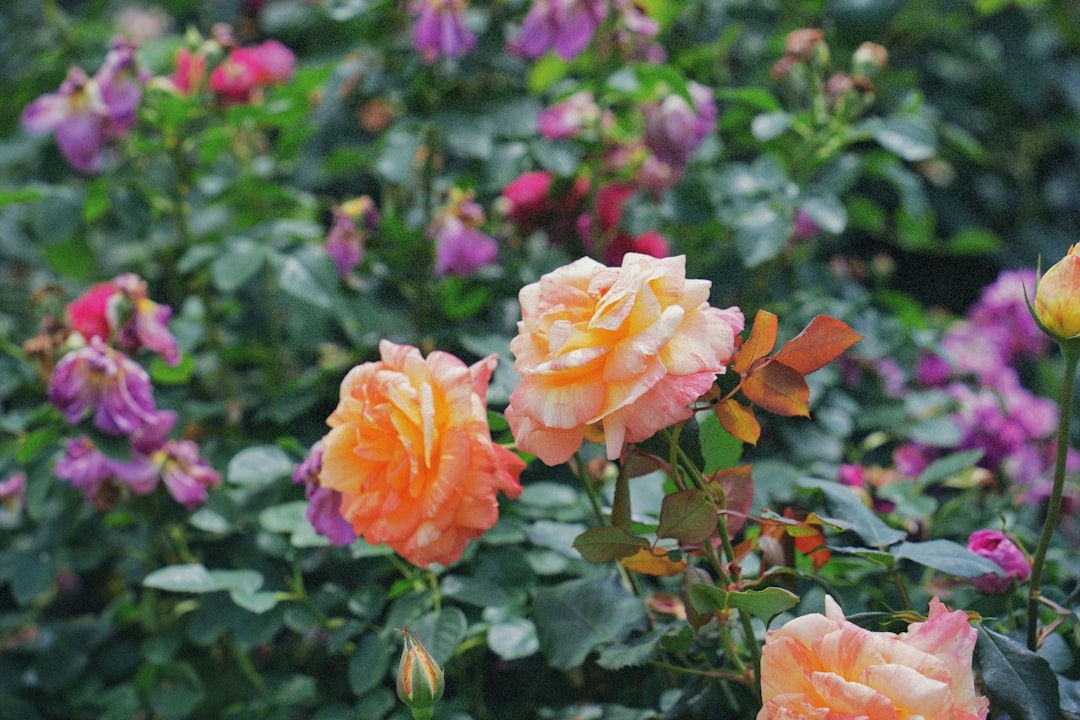
First-time shoppers at garden centers sometimes confuse rose blooms — particularly the tightly spiraled, full-petaled varieties — with camellias. Both produce large, showy flowers with layered petals, and both bloom in similar color ranges. Here’s how to tell them apart and why it matters for your planting decisions:
- Bloom time: Most camellias bloom in fall through early spring (depending on variety), while roses bloom spring through fall. They’re nearly opposite in their seasonal calendars.
- Foliage: Camellia leaves are thick, waxy, and deep green — almost like a broadleaf evergreen (because they are one). Rose foliage is thinner, matte, and typically lighter green.
- Thorns: Roses have prickles (technically not thorns, but everyone calls them thorns). Camellias have smooth stems entirely.
- Hardiness: Most camellias thrive in Zones 7–9. Roses cover a far wider range — from Zone 3 (Canadian explorer series) to Zone 11.
- Sun needs: Roses demand full sun — at least 6 hours, ideally 8. Camellias prefer dappled or afternoon shade.
The practical takeaway: if you’re planting in a shaded spot or live in Zone 6 or colder, camellias likely won’t thrive. Roses, with the right variety selection, will.
Choosing the Right Rose for Your Climate and Zone
Zone selection is the single most important decision you’ll make. Plant a Zone 7 rose in Minnesota (Zone 4) without protection, and you’ll lose it in the first hard winter. Here’s a quick orientation by region:
- Zones 3–4 (Upper Midwest, Northern Plains): Stick with Canadian Explorer series roses like ‘William Baffin’ and ‘Jens Munk’, or Parkland series like ‘Morden Sunrise’. These are bred specifically for -30°F winters.
- Zones 5–6 (Mid-Atlantic, Midwest, Pacific Northwest): The widest selection is available here. Hybrid teas, floribundas, and shrub roses all perform well. Hardy own-root roses are preferable to grafted varieties in Zone 5.
- Zones 7–8 (South, Pacific Coast): Heat tolerance matters as much as cold hardiness. Look for varieties with good black spot resistance, as humidity drives fungal issues. ‘Belinda’s Dream’ and ‘Carefree Beauty’ are proven performers.
- Zones 9–11 (Deep South, Southwest, Hawaii): Roses need a chilling period to reset and bloom. In Zone 9–10, choose low-chill varieties. Many gardeners in Zone 10+ defoliate roses manually in December to force dormancy.
“The number one mistake I see hobbyist gardeners make is falling in love with a variety at the nursery without checking the zone tag. A rose that looks incredible in a display garden in San Diego may completely fail in Atlanta — not because of the cold, but because of the humidity and heat combination. Always check both the hardiness zone and the disease resistance rating before you buy.”
— Dr. Patricia Renshaw, Certified Rosarian and Horticulture Extension Specialist, University of Georgia Cooperative Extension
Soil Preparation: The Foundation of Healthy Roses
Roses are heavy feeders and moderately drought-tolerant once established, but they absolutely need well-draining soil. Standing water at the root zone is a death sentence — it causes root rot within days in warm weather.
Ideal Soil Conditions
- pH: 6.0–6.5. Roses are particular about this range. Below 6.0, nutrient uptake (especially phosphorus and iron) becomes impaired. Test your soil before planting — most county extension offices offer $15–$20 soil tests that include amendment recommendations.
- Texture: Loamy soil with good organic matter is ideal. Heavy clay needs amendment with compost and coarse sand (at minimum 25% by volume). Sandy soils need organic matter to improve water retention.
- Drainage test: Dig a hole 12 inches deep, fill it with water, and time how long it takes to drain. Ideal drainage: 1 inch per hour. If it drains in under 15 minutes, add organic matter. If it takes more than 4 hours, raise the bed or select a new location.
Planting Depth and Graft Union Placement
Grafted roses have a visible bud union — a knobby swelling at the base of the canes. In Zones 6 and warmer, plant the bud union at soil level or 1 inch above. In Zones 5 and colder, bury it 1–2 inches below soil level to protect it from freeze damage. Own-root roses (not grafted) can be planted at any depth without this concern.
Watering Roses: Getting the Balance Right
The ideal watering schedule for established roses is 1–2 inches of water per week, delivered deeply and infrequently rather than shallowly and often. Deep watering encourages roots to grow down — roots that reach 18–24 inches deep are far more drought-tolerant than shallow-rooted plants.
Watering Methods
- Drip irrigation: The gold standard. Delivers water directly to the root zone, keeps foliage dry (which reduces fungal disease), and conserves water. A basic drip system for 10–15 roses costs $40–$80 and pays for itself in plant health.
- Soaker hoses: A more affordable alternative. Run them in a loop around the base of plants and set a timer for 30–45 minutes, 2–3 times per week in summer.
- Hand watering: Use a wand, not an overhead sprayer. Water at the base of the plant, not on the leaves. Morning is the best time — any splash that lands on foliage will dry before evening.
Avoid watering in the evening. Wet foliage overnight is a reliable invitation for black spot and powdery mildew. If you water after 4 PM, fungal spores practically thank you.
Fertilizing Roses for Maximum Bloom
Roses bloom from stored energy and fresh nutrients. A well-fed rose blooms harder, recovers faster from pest damage, and produces more viable new growth after pruning.
Fertilizer Timing
- First feeding: Apply as new growth emerges in spring — typically when forsythia blooms in your area. Use a balanced rose fertilizer (10-10-10 or similar) or a specialized rose formula like Bayer All-in-One Rose Care.
- Ongoing feeding: Repeat every 4–6 weeks through the growing season. For continuous bloomers, feed after each major flush of flowers fades.
- Last feeding: Stop feeding 6–8 weeks before your average first frost date. Late feeding pushes tender new growth that gets killed by frost, weakening the plant going into winter.
Fertilizer Types
- Granular slow-release: Convenient and consistent. Osmocote Plus (15-9-12) is widely available and releases nutrients over 6 months. Apply in spring and you’re largely covered.
- Liquid fertilizers: Fast-acting and useful for supplemental feeding or correcting deficiencies quickly. Fish emulsion (5-1-1) applied every 2 weeks gives strong foliar uptake.
- Alfalfa: An old rosarian trick. Alfalfa pellets (available at feed stores for about $12 per 50 lb bag) contain triacontanol, a natural growth stimulant. Sprinkle 1 cup around the base of each plant in spring and again in midsummer.
🌹 What the Pros Know
Certified rosarians swear by the “banana peel trick” — burying banana peels 2–3 inches deep around rose bushes. Banana peels are rich in potassium (K), which directly supports flower production and disease resistance. As they decompose, they release potassium slowly into the root zone. It won’t replace a balanced fertilizer, but as a supplement between feedings, it’s free and measurably effective. Some rosarians report noticeably larger blooms within 3–4 weeks of starting this practice.
Pruning Roses: The Skill That Makes All the Difference
Pruning intimidates more gardeners than any other rose task. It shouldn’t. Roses are remarkably resilient. A bad pruning cut will not kill a rose. An unpruned rose, however, becomes a tangled, disease-prone, poorly-blooming shrub within two or three seasons.
Tools You Need
- Bypass pruners: For canes up to ¾ inch diameter. Felco #2 is the industry standard at around $55 — they last decades with proper maintenance.
- Loppers: For canes ¾–1½ inches. Essential for old shrub roses and climbers.
- Pruning saw: For canes over 1½ inches or dead wood that loppers can’t handle cleanly.
- Gloves: Thick gauntlet-style gloves. Standard garden gloves don’t protect against rose thorns. Atlas 370 or similar nitrile-coated work gloves are a minimum.
When to Prune by Rose Type
- Hybrid teas, floribundas, grandifloras: Major pruning in early spring when forsythia blooms or when daytime temperatures consistently reach 50°F. Remove dead wood, crossing canes, and canes thinner than a pencil. Cut the remaining healthy canes back by one-third to one-half.
- Once-blooming climbers and old garden roses: Prune immediately after bloom in late spring or early summer. They bloom on old wood — pruning in spring removes the flower buds.
- Repeat-blooming shrub and landscape roses: Light shaping in spring, deadheading throughout summer, hard rejuvenation pruning every 3–5 years.
- Miniature roses: Prune like hybrid teas but scale down. Cut back by one-third in spring and deadhead after each flush.
How to Make the Cut
Cut at a 45-degree angle, slanting away from the bud eye, about ¼ inch above an outward-facing bud. The outward-facing part matters: new growth follows the direction of the bud, so outward-facing buds create an open, vase-shaped plant with good air circulation. Inward-facing cuts create congested growth that traps moisture and invites disease.
After pruning, some rosarians seal cuts larger than ½ inch with white glue or a commercial cane sealer to prevent cane borers from tunneling into the pith. In regions where cane borers are common (much of the eastern US), this is worth the extra minute per plant.
Common Rose Diseases and How to Handle Them
The three diseases you’ll encounter most often are black spot, powdery mildew, and rose rosette disease. Knowing how to identify and address each one quickly keeps problems manageable.
Black Spot (Diplocarpon rosae)
The most widespread rose disease in the US. Circular black spots with fringed (not smooth) edges appear on upper leaf surfaces, followed by yellowing and leaf drop. In severe cases, a plant can defoliate entirely by August. Prevention is far more effective than cure: apply a fungicide (chlorothalonil or copper-based) on a 7–10 day schedule from spring bud break through fall. Many modern shrub roses — especially Knock Out® and Drift® series — carry strong genetic resistance and rarely need spraying.
Powdery Mildew
A white, powdery coating on new growth and buds, most common during dry days with cool nights — typical of spring and early fall in most US regions. Increase air circulation through pruning, avoid wetting foliage, and apply a potassium bicarbonate spray (such as Kaligreen) at first signs. Unlike black spot, powdery mildew rarely causes serious long-term damage in roses.
Rose Rosette Disease (RRD)
This is the one to genuinely worry about. Rose rosette is caused by a virus transmitted by the eriophyid mite (Phyllocoptes fructiplilus). Symptoms include distorted, bright red new growth (“witches’ broom”), excessive thorniness on new canes, and malformed blooms. There is no cure. An infected plant must be removed immediately — roots and all — and disposed of in the trash (not compost) to prevent spread. RRD has devastated Knock Out® rose plantings across the South and Midwest since its spread accelerated in the early 2010s. If you see symptoms, act within days, not weeks.
Pest Management: The Usual Suspects
Roses attract a predictable cast of pests. Here’s the practical rundown:
Japanese Beetles
Metallic green beetles with copper-colored wing covers that skeletonize rose foliage and shred blooms. Active June–August across much of the eastern and Midwest US. Hand-pick in the early morning when they’re sluggish and drop into soapy water. For larger infestations, apply neem oil or spinosad sprays. Avoid Japanese beetle traps — research shows they attract more beetles to your yard than they catch.
Aphids
Clusters of soft-bodied green, yellow, or black insects on new growth and buds. A strong spray of water dislodges most colonies. Ladybugs and lacewings are natural predators — avoid broad-spectrum insecticides that kill them. If infestations are severe, insecticidal soap (2 tablespoons per quart of water) applied directly to colonies is effective and won’t harm beneficial insects once dried.
Spider Mites
Tiny mites that cause stippled, bronze-colored foliage and fine webbing on leaf undersides. Worst during hot, dry weather. Miticides like abamectin work well, but increasing irrigation and reducing plant stress is the real solution — healthy, well-watered roses resist mite damage far better than stressed plants.
Winter Protection for Roses
In Zones 6 and colder, roses need help surviving winter. The goal isn’t to keep the plant from freezing — it’s to keep the temperature stable. Freeze-thaw cycles that heave roots and crack canes do far more damage than sustained cold.
- Mounding: After the first hard frost (below 25°F), mound 10–12 inches of compost, shredded bark, or garden soil around the base of each plant. This protects the bud union — the most vulnerable part.
- Rose cones: Styrofoam cones are effective but require ventilation holes to prevent fungal buildup inside. Remove them gradually in spring — don’t strip them off in a single warm week.
- Cane bundling: For climbers, remove canes from their support in late fall, bundle loosely, and lay horizontally on the ground. Cover with pine boughs or burlap. Hybrid teas can have their canes tied loosely together to reduce wind breakage.
- Timing: Wait until the plant has gone fully dormant before winterizing. Covering a rose that’s still growing traps moisture and encourages disease.
Propagating Roses: Growing Your Collection for Free
Propagating roses from cuttings is genuinely satisfying and costs almost nothing. Patent-protected varieties (look for the ® symbol and a patent number on the tag) legally cannot be propagated for resale, but you can propagate them for personal use. Most old garden roses and species roses are not patented and can be freely propagated.
Softwood Cuttings (June–July)
- Select a stem that has just finished blooming. Cut a 6–8 inch length with at least 3–4 leaf nodes, just below a node at the bottom.
- Remove all but the top 2–3 leaves. Remove any remaining blooms or buds.
- Dip the cut end in rooting hormone powder (IBA at 0.3% concentration works well for roses).
- Insert into a pot filled with a 50/50 mix of perlite and peat or coco coir. Water thoroughly.
- Cover with a clear plastic bag or humidity dome and place in bright, indirect light. Avoid direct sun — it overheats the cutting.
- Roots typically form in 4–8 weeks. Tug gently to check resistance. Once rooted, gradually acclimate to open air before transplanting.
Success rates for softwood rose cuttings range from 50–80% depending on the variety and conditions. Take 3–4 cuttings per plant to improve your odds.
Roses in Containers: Making It Work
Container growing is an excellent option for gardeners with limited space, poor in-ground soil, or cold climates where bringing plants inside for winter is practical. Not every rose works well in a pot — the best candidates are miniatures, patio roses, and compact floribundas under 3 feet tall.
- Container size: Minimum 15 gallons for a floribunda or compact shrub rose. 5-gallon containers work for miniatures. Terracotta breathes but dries out fast — glazed ceramic or dark plastic retains moisture better and is preferable in hot climates.
- Potting mix: Use a quality potting mix amended with 20–25% perlite for drainage. Garden soil is too heavy and will compact in containers. Add slow-release fertilizer at planting — container roses need more frequent feeding than in-ground plants since nutrients leach with each watering.
- Watering frequency: Daily or every other day in summer. Stick your finger 2 inches into the soil — if dry, water thoroughly until it drains from the bottom. In heat above 90°F, large containers may need watering twice daily.
- Winter storage: In Zone 6 and colder, move containers into an unheated garage or basement after dormancy sets in. The goal is to keep them cold but protected from freeze-thaw cycles. Water lightly once a month to prevent complete desiccation.
Frequently Asked Questions About Growing Roses
How often should I water roses?
Established roses need 1–2 inches of water per week during the growing season. In summer heat above 85°F, increase to 2 inches. Water deeply and infrequently — two thorough waterings per week is better than a little water every day. Always water at the base of the plant, not overhead, to prevent fungal disease.
When is the best time to prune roses?
For most rose types (hybrid teas, floribundas, shrub roses), prune in early spring when forsythia blooms in your area — typically when daytime temperatures are consistently above 50°F. Once-blooming roses and most climbers should be pruned immediately after their spring bloom, since they flower on old wood and spring pruning removes the buds.
What is the easiest rose to grow for beginners?
The Knock Out® rose series is the most beginner-friendly option available. Knock Out roses are self-cleaning (no deadheading required), highly resistant to black spot, hardy to Zone 4, and bloom continuously from spring through frost. ‘Double Knock Out’ in red or pink is available at most garden centers for $20–$30 and is nearly impossible to kill with normal care.
Why are my rose leaves turning yellow?
Yellow leaves have several possible causes. Yellow leaves with black spots indicate black spot fungal disease. Yellowing that starts at the bottom of the plant and progresses upward is often a nitrogen deficiency — address with a balanced fertilizer. Bright yellow new growth (especially at the growing tips) can indicate iron chlorosis caused by high soil pH; test your soil and acidify if pH is above 6.8. Overwatering causes yellowing combined with soft, mushy stems at the base.
How do I get my roses to bloom more?
Consistent deadheading is the single most effective technique for increasing bloom frequency on repeat-blooming roses. Cut spent blooms back to the first leaf with 5 leaflets (not 3) to encourage a strong new shoot with a bloom bud. Feed with a high-phosphorus fertilizer after each flush — phosphorus directly supports flower formation. Ensure plants receive at least 6–8 hours of direct sun daily; shaded roses produce foliage at the expense of blooms.
Building Your Rose Garden: A Practical Starting Point
You don’t need to start with 20 plants. Three well-chosen roses in the right location will outperform 20 mismatched plants in poor conditions every time. Start with one representative from each of these categories: a repeat-blooming shrub rose for reliability, a hybrid tea or floribunda for cut flowers, and a climber or large shrub rose for structure. Nail the basics — sun, drainage, feeding, pruning — with those three, and you’ll have the confidence and knowledge to expand intelligently.
The American Rose Society’s Find a Rose database lets you search by color, fragrance, zone hardiness, and disease resistance simultaneously. Use it before you shop. Walking into a garden center with a shortlist of three to five pre-researched varieties means you’ll spend money on plants that will actually thrive in your specific conditions, not just the ones that look prettiest on the display bench in May.
This complete guide to roses gives you the foundation — the variety knowledge, the soil prep, the watering and feeding rhythms, the pruning mechanics, and the pest and disease protocols — to grow roses that genuinely perform. The next step is yours: pick your zone, pick your site, pick two or three varieties that excite you, and put them in the ground. The learning accelerates dramatically once you have actual plants to observe.