Contents:
- Why Perennials Are a Smart Investment for Small Spaces
- Understanding Hardiness Zones Before You Buy
- A Seasonal Calendar for Perennial Blooms
- 40 Perennial Flower Types That Bloom Year After Year
- Echinacea (Coneflower)
- Lavender (Lavandula angustifolia)
- Black-eyed Susan (Rudbeckia fulgida)
- Hosta
- Daylily (Hemerocallis)
- Salvia (Ornamental Sage)
- Peony (Paeonia lactiflora)
- Bleeding Heart (Lamprocapnos spectabilis)
- Creeping Phlox (Phlox subulata)
- Astilbe
- Russian Sage (Perovskia atriplicifolia)
- Shasta Daisy (Leucanthemum x superbum)
- Yarrow (Achillea millefolium)
- Catmint (Nepeta x faassenii)
- Heuchera (Coral Bells)
- Baptisia (False Indigo)
- Sedum (Stonecrop)
- Coreopsis (Tickseed)
- Veronicastrum (Culver’s Root)
- Liatris (Blazing Star)
- Aster (Fall Aster)
- Japanese Anemone (Anemone hupehensis)
- Penstemon (Beardtongue)
- Agastache (Hyssop)
- Hellebore (Lenten Rose)
- Geranium (Hardy Cranesbill)
- Monarda (Bee Balm)
- Goldenrod (Solidago)
- Spiderwort (Tradescantia)
- Dianthus (Garden Pink)
- Gaillardia (Blanket Flower)
- Phlox paniculata (Garden Phlox)
- Veronica (Speedwell)
- Thalictrum (Meadow Rue)
- Pulmonaria (Lungwort)
- Knautia macedonica
- Digitalis (Perennial Foxglove)
- Brunnera (Siberian Bugloss)
- Euphorbia (Spurge)
- Rudbeckia maxima (Giant Coneflower)
- Quick Comparison: Top Perennial Flower Types by Category
- How to Choose the Right Perennial Flower Types for Your Space
- Step 1: Check Your Light
- Step 2: Know Your Zone
- Step 3: Match Container Size to Root Depth
- Step 4: Plan for Succession
- Starting Your Perennial Collection: Budget and Sourcing
- Perennial Flower Types — Your Questions Answered
- FAQ
- Build Your Balcony Garden One Plant at a Time
You plant something in spring, forget about it over winter, and then — mid-April — a familiar splash of purple or gold pushes up through the soil like an old friend returning. That moment never gets old. Perennials are the garden world’s best-kept secret for apartment dwellers with a balcony, a fire escape planter, or even a single deep container by a sunny window. Plant once, enjoy for years. No annual replanting budget. No starting from scratch every May.
This guide covers 40 of the most rewarding perennial flower types — chosen specifically with limited space in mind. Each entry includes bloom time, hardiness zones, and container-friendliness so you can match the right plant to your exact situation.
Why Perennials Are a Smart Investment for Small Spaces
A single Echinacea (coneflower) crown costs around $8–$14 at a garden center. Plant it once, and you’ll get blooms every summer for 5–10 years without spending another dollar. Compare that to replanting annuals every season, and the math speaks for itself. For apartment gardeners, perennials also mean less soil disturbance, fewer trips to the hardware store, and a container display that matures and fills in beautifully over time.
One reader, Maria from Chicago, shared this: “I started with three hostas on my north-facing balcony in 2019. By 2026, they’d multiplied enough that I divided them and gave pots to two neighbors. I haven’t bought a new plant for that corner since.” That’s the perennial promise in action.
Understanding Hardiness Zones Before You Buy
The USDA Plant Hardiness Zone Map divides the US into 13 zones based on average annual minimum temperatures. Most perennials are labeled with a zone range — for example, “Zones 4–9” means the plant survives winters from Minnesota down to coastal Georgia. Always check your zone before purchasing. Northeast gardeners (Zones 4–6) face cold winters; Southern gardeners (Zones 7–9) need heat-tolerant varieties; West Coast growers (Zones 8–10) can push the envelope with Mediterranean perennials that would perish in a Chicago winter.
A Seasonal Calendar for Perennial Blooms
One of the smartest moves a container gardener can make is staggering bloom times so something is always flowering from March through October. Here’s a quick seasonal framework:
- Early Spring (March–April): Hellebores, Creeping Phlox, Bleeding Heart
- Late Spring (May): Peonies, Salvia, Baptisia
- Summer (June–August): Coneflower, Black-eyed Susan, Daylily, Lavender, Shasta Daisy
- Late Summer–Fall (September–October): Asters, Sedum, Goldenrod, Japanese Anemone
- Evergreen Interest (November–February): Hellebores, Heuchera foliage, ornamental grasses
40 Perennial Flower Types That Bloom Year After Year
1. Echinacea (Coneflower)
A North American native, Echinacea produces bold, daisy-like blooms in shades of pink, orange, yellow, and white from June through September. It thrives in Zones 3–9 and tolerates drought once established — a major plus for container growers who occasionally forget to water. Grows 2–4 feet tall but dwarf varieties like ‘Magnus Superior’ stay under 24 inches. Pollinators adore it.
2. Lavender (Lavandula angustifolia)
A West Coast favorite — California growers swear by it — lavender is equally happy in a terracotta container on a sunny balcony. ‘Hidcote’ and ‘Munstead’ are compact at 12–18 inches. Blooms June–August in Zones 5–8. Beyond its fragrance, dried lavender bundles are worth more than the cost of the plant at farmers markets.
3. Black-eyed Susan (Rudbeckia fulgida)
Golden yellow petals with a dark center that blooms July through September. Rudbeckia fulgida ‘Goldsturm’ is the gold standard variety — it stays at about 24 inches, spreads slowly, and self-seeds modestly. Zones 3–9. Exceptionally heat-tolerant, which makes it a go-to for Southern gardeners in Zones 7–9 who need reliable summer color.
4. Hosta
The undisputed king of shade perennials. Hostas grow virtually anywhere with limited light — perfect for north-facing balconies. Lavender flower spikes appear July–August, but the real show is the foliage: varieties range from tiny ‘Blue Mouse Ears’ (6 inches) to giant ‘Sum and Substance’ (3 feet wide). Zones 3–9. Divide every 3–4 years to multiply your collection for free.
5. Daylily (Hemerocallis)
Each bloom lasts one day — but a single plant produces dozens of buds over a 4–6 week window. Reblooming varieties like ‘Stella de Oro’ (12 inches) flower from June through frost. Zones 3–10. Highly drought-tolerant and one of the easiest perennials for beginners. Edible, too — the buds are used in Chinese cooking.
6. Salvia (Ornamental Sage)
Upright violet-blue spikes from May through September attract hummingbirds like magnets. ‘May Night’ salvia reaches only 18 inches — excellent for container edges. Zones 4–8. Deadheading spent blooms triggers a second and third flush. Hardy salvias have quietly become one of the most planted perennial flower types in American gardens over the past decade.
7. Peony (Paeonia lactiflora)
Peonies are a commitment that pays off for decades — a well-sited peony can bloom for 50+ years without being moved. Fragrant, full blooms appear in May–June in Zones 3–8. They need a cold winter to set flower buds, which is why they rarely thrive south of Zone 8. Plant the “eyes” (buds) no more than 1–2 inches below soil surface or they won’t bloom.
8. Bleeding Heart (Lamprocapnos spectabilis)
One of the most romantic-looking spring perennials, with arching stems of dangling heart-shaped pink or white flowers in April–May. Goes dormant by midsummer — pair it with hostas or ferns to fill the gap. Zones 3–9. ‘Gold Heart’ offers golden foliage as a bonus. Grows 24–36 inches and prefers part shade.
9. Creeping Phlox (Phlox subulata)
A mat-forming perennial that explodes with color in April — it carpets the ground (or drapes over container edges) in pink, purple, or white. Only 4–6 inches tall. Zones 3–9. Stunning in hanging baskets where it can cascade down. It’s a Northeast spring staple — drive through Pennsylvania in late April and you’ll see it blanketing rock gardens everywhere.
10. Astilbe
Feathery plumes in red, pink, white, or lavender rise above fern-like foliage June–August. One of the best perennials for moist, shaded spots — which apartment balconies often are. Zones 4–8. ‘Fanal’ (red, 24 inches) and ‘Deutschland’ (white, 24 inches) are classic container picks. The dried seed heads also provide winter texture.
11. Russian Sage (Perovskia atriplicifolia)
Silvery stems topped with airy lavender-blue flowers from July through September create an almost cloud-like effect. Extremely drought-tolerant — rated for Zones 4–9. Grows 3–4 feet but can be cut back hard in spring. An award-winning RHS plant with almost no pest issues. Thrives on neglect, which is occasionally a virtue.
12. Shasta Daisy (Leucanthemum x superbum)
Classic white petals with a yellow center from June through August. ‘Becky’ is one of the most heat-tolerant cultivars and grows 3 feet tall. ‘Snowcap’ stays under 12 inches — perfect for containers. Zones 4–9. Deadhead regularly and it will bloom for 8–10 weeks straight. A standard in cut flower arrangements.
13. Yarrow (Achillea millefolium)
Flat-topped clusters of tiny flowers in yellow, pink, red, or white from June through September. Yarrow is one of the most drought-tolerant perennials available — it thrives in hot, dry West Coast summers and poor soil. Zones 3–9. ‘Paprika’ (red-orange) and ‘Moonshine’ (bright yellow) are compact at 18–24 inches.
14. Catmint (Nepeta x faassenii)
Soft lavender-blue flowers smother the plant from May through September with regular deadheading. ‘Walker’s Low’ grows 18–24 inches and won the Perennial Plant of the Year award in 2007. Zones 4–8. Deer resistant, drought tolerant, and beloved by bees. The common name misleads — cats are far less interested in Nepeta than in catnip (N. cataria).
15. Heuchera (Coral Bells)
Grown primarily for foliage in colors from lime green to deep burgundy to near-black. Delicate bell-shaped flowers on tall stems appear May–July. Zones 4–9. ‘Palace Purple’ and ‘Caramel’ are reliable performers in containers. Excellent for shade. A 6-inch pot of Heuchera at a nursery runs $7–$12 and multiplies into a full container within two seasons.
16. Baptisia (False Indigo)
Indigo-blue lupine-like spikes in May–June on a shrub-like plant that reaches 3–4 feet. Baptisia is slow to establish but virtually indestructible once it is — a 10-year-old plant looks like a small shrub. Zones 3–9. The inflated seed pods that follow the flowers rattle dramatically in autumn wind. North American native.
17. Sedum (Stonecrop)
Late-season sedums like ‘Autumn Joy’ bloom dusty pink from August through October, then the dried heads persist all winter. Only 18–24 inches tall and thrives in poor, dry soil — ideal for container growers who use fast-draining mixes. Zones 3–9. Groundcover sedums like ‘Dragon’s Blood’ stay under 4 inches and spill beautifully over pot edges.
18. Coreopsis (Tickseed)
Bright yellow, thread-leaved Coreopsis verticillata ‘Moonbeam’ blooms for an exceptionally long season — June through September — without deadheading. It’s one of the most floriferous perennials per square foot. Zones 4–9. Heat-tolerant and drought-resistant. Compact at 18 inches. A powerhouse choice for Southern gardens where summer heat scorches less-tough plants.
19. Veronicastrum (Culver’s Root)
Tall candelabra-style white or lavender spikes from July–September on a plant that grows 4–6 feet. Impressive architectural presence in large containers. Zones 3–8. Attracts an impressive number of native bee species — research from Penn State counts over 100 native bee species visiting it during peak bloom.
20. Liatris (Blazing Star)
Unusual among perennials in that the flower spike blooms top-to-bottom rather than bottom-up. Bright purple or white spikes from July–September. Zones 3–9. Grows from corms and does beautifully in containers. Monarch butterflies use it heavily during their southward migration in late summer — a meaningful addition to any balcony garden.
21. Aster (Fall Aster)
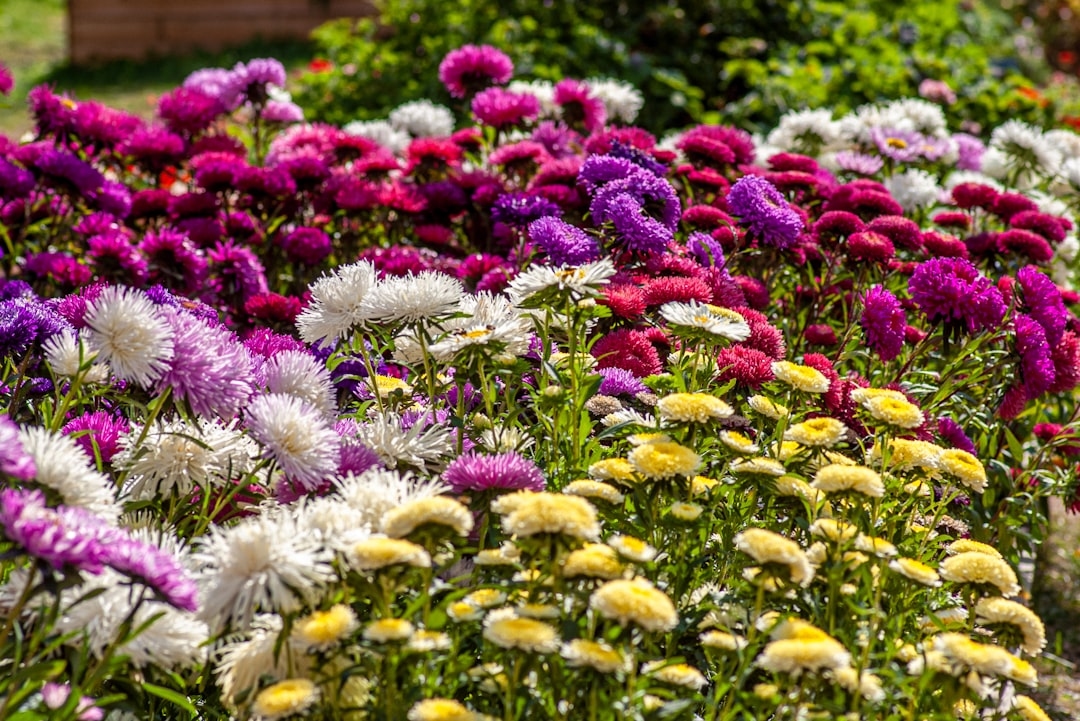
Just when summer perennials fade, asters explode in purple, pink, and white from September through October. ‘Purple Dome’ is a compact variety at 18 inches — ideal for containers. Zones 4–8. One of the most important late-season nectar sources for migrating butterflies. Plant it alongside sedum for a dramatic fall container display.
22. Japanese Anemone (Anemone hupehensis)
Elegant, cup-shaped flowers in pink or white wave on tall wiry stems from August through October. One of the best late-season perennials for partial shade. Zones 4–8. ‘Honorine Jobert’ (white, 3 feet) is a classic. Slow to establish in its first year but vigorous thereafter.
23. Penstemon (Beardtongue)
Tubular flowers in red, pink, purple, or white from May–July bring hummingbirds immediately. Native penstemons are especially important for West Coast gardeners looking to support local pollinators. Zones 3–9 depending on species. ‘Husker Red’ grows 24–30 inches and also offers maroon foliage as a season-long bonus.
24. Agastache (Hyssop)
Spiky orange and purple blooms from July through frost on a plant that’s both drought-tolerant and hummingbird-magnetic. ‘Blue Fortune’ reaches 3 feet and is one of the longest-blooming perennials available. Zones 5–9. Anise-scented foliage is a bonus — crush a leaf and it smells like licorice. Heat-tolerant enough for Southern balconies.
25. Hellebore (Lenten Rose)
Hellebores bloom in February–April — often through snow — in Zones 4–9. Nodding flowers in cream, burgundy, pink, and near-black are uniquely sophisticated. Evergreen foliage provides year-round structure. ‘Royal Heritage’ strain is widely available and extremely reliable. Give them shade and consistent moisture and they’ll reward you indefinitely.
26. Geranium (Hardy Cranesbill)
Not to be confused with the annual Pelargonium sold in every garden center. Hardy geraniums bloom May–July in pink, purple, or magenta and are perennial in Zones 4–8. ‘Rozanne’ is the standout: it blooms almost continuously from June through October and was named the most popular perennial of the decade by the RHS.
27. Monarda (Bee Balm)
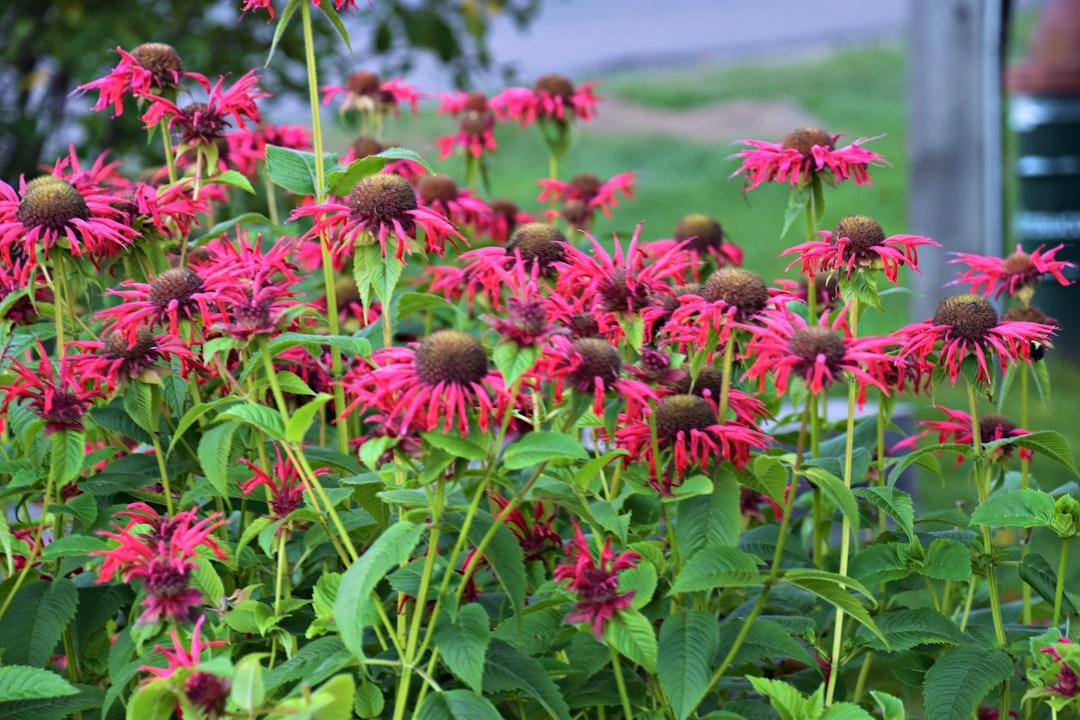
Wild-looking, shaggy red, pink, or purple flowers from July–August attract hummingbirds, bees, and butterflies simultaneously. Zones 3–9. Can spread aggressively in ground beds — containers are actually ideal for keeping it in check. ‘Jacob Cline’ (red) has excellent mildew resistance, which is the main challenge with this genus.
28. Goldenrod (Solidago)
Unjustly blamed for hay fever (ragweed is the real culprit), goldenrod produces golden plumes August–October and is one of the most ecologically valuable native perennials. ‘Fireworks’ stays at 3 feet and is a well-behaved container plant. Zones 3–8. Drought tolerant, low-maintenance, and excellent in fall containers alongside asters.
29. Spiderwort (Tradescantia)
Three-petaled purple, blue, or pink flowers from May–July, followed by a rebloom in fall if cut back hard in August. Zones 4–9. Very tolerant of part shade and moist soil. ‘Sweet Kate’ adds golden foliage to the mix for a striking two-tone container. Grows 18–24 inches.
30. Dianthus (Garden Pink)
Fragrant, fringed flowers in pink, red, or white from May–June. ‘Bath’s Pink’ is one of the most heat-tolerant selections — a Southern staple in Zones 4–9. Compact at 12 inches. The clove-like fragrance is strongest on warm afternoons. Rebloom in fall is common with deadheading.
31. Gaillardia (Blanket Flower)
Red-and-yellow pinwheel flowers from June through hard frost — one of the longest blooming perennial flower types in any catalog. ‘Arizona Sun’ won the All-America Selections award and grows just 10 inches tall. Zones 3–9. Thrives in heat and drought. Essentially impossible to overwater — a trait some container gardeners need desperately.
32. Phlox paniculata (Garden Phlox)
Fragrant domed clusters of flowers from July–September in pink, white, red, or lavender. A classic of the American cottage garden. ‘David’ (white) has outstanding mildew resistance and grows 3–4 feet. Zones 4–8. Needs consistent moisture — pair with a self-watering container for best results on a balcony.
33. Veronica (Speedwell)
Upright spikes of tiny blue, pink, or white flowers from May–July. ‘Royal Candles’ grows just 18 inches and blooms prolifically. Zones 3–8. One of the best front-of-container plants because of its neat, tidy habit. Excellent cut flower. Pairs beautifully with yellow achillea.
34. Thalictrum (Meadow Rue)
Airy lavender or yellow flowers on tall stems June–July create a fine-textured, wispy effect that balances bold-leafed container companions like hostas. Zones 4–9. ‘Nimbus Purple’ grows 4–5 feet and is one of the most elegant perennials for a large container. Tolerates part shade.
35. Pulmonaria (Lungwort)
One of the first perennials to bloom — March–April — with pink flowers that age to blue on the same plant. Silver-spotted foliage is a standout through the entire growing season. Zones 3–8. Best in shade or part shade. Excellent companion for hellebores in a winter-interest container.
36. Knautia macedonica
Small, pincushion-like deep crimson flowers on wiry, branching stems from June through September. Cottage garden favorite that reseeds generously. Zones 5–9. Grows 24–30 inches and has a loose, naturalistic habit that pairs beautifully with ornamental grasses. Surprisingly underused given how long it blooms.
37. Digitalis (Perennial Foxglove)
Stately spikes of tubular flowers — typically yellow or white in perennial species — from May–June. Digitalis grandiflora is the most reliably perennial species, growing 24–30 inches in Zones 3–8. Thrives in part shade and is deer-resistant. The architectural height adds a dramatic vertical element to container arrangements.
38. Brunnera (Siberian Bugloss)
Tiny forget-me-not blue flowers float above heart-shaped foliage in April–May. ‘Jack Frost’ has silver-veined leaves that glow in shade gardens all season. Zones 3–7. One of the most beautiful foliage perennials for containers in the Northeast. Grows only 12–15 inches. Excellent under deciduous trees or on shaded balconies.
39. Euphorbia (Spurge)
Long-lived and architectural, Euphorbia polychroma explodes in chartreuse-yellow bracts in April–May and then holds its form all summer. Zones 4–8. Grows 12–18 inches in a perfect mound. Deer resistant, drought tolerant, and low-maintenance. The spring color is unique — few perennials offer that electric lime-yellow in early spring.
40. Rudbeckia maxima (Giant Coneflower)
Large glaucous blue-green leaves and tall stems (5–6 feet) topped by drooping yellow petals around prominent dark cones from July–September. A dramatic statement plant in a large container. Zones 4–9. Birds devour the seed heads from October through winter, adding movement and life to a balcony even in the off-season.
Quick Comparison: Top Perennial Flower Types by Category
| Category | Best Picks | Bloom Season | Container Friendly |
|---|---|---|---|
| Shade Lovers | Hosta, Astilbe, Brunnera, Hellebore | Spring–Summer | ✅ Excellent |
| Drought Tolerant | Lavender, Sedum, Yarrow, Gaillardia | Summer–Fall | ✅ Excellent |
| Pollinator Magnets | Echinacea, Liatris, Monarda, Agastache | Summer–Fall | ✅ Good |
| Long Bloomers | Coreopsis, Gaillardia, Geranium ‘Rozanne’ | June–Frost | ✅ Excellent |
| Early Spring Bloomers | Hellebore, Pulmonaria, Creeping Phlox | March–May | ✅ Good |
| Fall Interest | Aster, Sedum, Goldenrod, Japanese Anemone | Aug–Oct | ✅ Good |
How to Choose the Right Perennial Flower Types for Your Space
With 40 options in front of you, narrowing the list comes down to four practical filters. Work through them in order and you’ll have your shortlist in minutes.
Step 1: Check Your Light
This is non-negotiable. A south-facing balcony gets 6+ hours of direct sun — perfect for lavender, echinacea, salvia, and daylilies. A north-facing space gets fewer than 4 hours — choose hostas, astilbe, hellebores, or brunnera. East-facing spots (morning sun) suit bleeding heart, heuchera, and creeping phlox. Don’t fight your light conditions; choose plants that embrace them.
Step 2: Know Your Zone
Enter your zip code at the USDA Plant Hardiness Zone website for a precise reading. Northeast residents in Zones 4–6 should prioritize cold-hardy workhorses: baptisia, echinacea, hostas, and astilbe. Southern gardeners in Zones 7–9 should lean toward heat-tolerant picks: black-eyed Susan, gaillardia, coreopsis, and agastache. West Coast growers in Zones 8–10 can experiment with tender perennials like salvias that would need winter protection elsewhere.
Step 3: Match Container Size to Root Depth
Shallow-rooted perennials (under 12 inches deep) like creeping phlox, sedum, and dianthus thrive in 8–10 inch pots. Medium-rooted plants (lavender, catmint, echinacea) need 12–16 inch containers. Deep-rooted or large perennials (peony, baptisia, rudbeckia maxima) need at least a 20-inch pot with good drainage. Use a well-draining potting mix — not garden soil — and add perlite at a 20% ratio for container longevity.
Step 4: Plan for Succession
Choose at least one early, one mid-season, and one late-season bloomer per container cluster. A trio of hellebore (March–April), echinacea (June–September), and aster (September–October) gives you seven months of color from the same balcony corner. That’s the staggered-bloom strategy at its most practical.
Starting Your Perennial Collection: Budget and Sourcing
A well-curated starter collection of five perennials costs $40–$70 at most garden centers. Mail-order nurseries like White Flower Farm, Bluestone Perennials, and High Country Gardens offer better variety and often better plant health than big-box stores — though prices run $10–$18 per plant. Fall planting sales (typically late September–October) offer discounts of 30–50% at local nurseries, and fall-planted perennials establish roots over winter for bigger, better spring blooms.
Division is free propagation. After 3–4 years, most clumping perennials benefit from being dug up and split in early spring or fall. One $12 plant becomes three or four new plants at zero cost. Hostas, daylilies, astilbe, and coreopsis are especially generous with division.
Perennial Flower Types — Your Questions Answered
FAQ
Q: What are the easiest perennial flower types for beginners?
A: Daylilies, black-eyed Susans, hostas, echinacea, and sedum are the five most beginner-friendly perennials. All are drought-tolerant once established, widely available, and reliable in Zones 3–9.
Q: Can perennial flowers grow in containers long-term?
A: Yes. Most perennials thrive in containers for 3–5 years before needing division or repotting. Use a 12–20 inch pot with drainage holes, well-draining potting mix, and slow-release fertilizer applied each spring.
Q: Which perennials bloom the longest?
A: Gaillardia ‘Arizona Sun’, Coreopsis ‘Moonbeam’, Geranium ‘Rozanne’, and Agastache ‘Blue Fortune’ are among the longest-blooming perennial types — some flowering from June through the first hard frost in October.
Q: Do perennials come back every year without replanting?
A: Yes — that’s their defining characteristic. Perennials regrow from their root system each spring. Container-grown perennials may need protection in Zones 4–5 during winter (moving pots to a garage or wrapping with burlap) since container roots are more exposed to freezing than in-ground roots.
Q: When is the best time to plant perennials in the US?
A: Spring (April–May) and fall (September–October) are ideal. Fall planting is especially effective — cooler temperatures reduce transplant stress, and roots establish over winter for stronger growth the following spring. Avoid planting during peak summer heat in Zones 7–10.
Build Your Balcony Garden One Plant at a Time
Start with three. Pick one shade lover, one sun-loving long bloomer, and one fall-interest plant. Get them established in appropriate containers this season, watch them return next spring, then add three more. Within three years, you’ll have a layered, four-season balcony garden that costs less annually than a single bouquet of cut flowers per month — and it keeps getting better. The best perennial flower types aren’t just plants; they’re a growing investment in your space, your wellbeing, and the local ecosystem buzzing around your window.