Contents:
- What Are Hellebores? Background and Botanical Context
- Choosing the Right Hellebore: Species and Cultivar Guide
- Helleborus × hybridus (Lenten Rose)
- Helleborus niger (Christmas Rose)
- Helleborus foetidus (Stinking Hellebore)
- Helleborus argutifolius (Corsican Hellebore)
- Modern Bred Series Worth Knowing
- Selecting and Preparing the Ideal Planting Site
- Light Requirements
- Soil Preparation: The Critical Step
- Spacing and Planting Depth
- Planting Hellebores: Timing and Technique
- Year-Round Hellebore Care Calendar
- Late Winter (January–March): Bloom Season Maintenance
- Spring (April–May): Post-Bloom Care
- Summer (June–August): The Quiet Season
- Fall (September–November): Planting and Prep
- Propagation: Growing More Hellebores
- Division
- Seed Propagation
- A Note on Eco-Friendly Propagation
- Hellebore Growing Guide: Troubleshooting Common Problems
- Black or Brown Leaf Spots (Hellebore Leaf Spot)
- Crown Rot
- Aphids
- Failure to Bloom
- Slugs and Snails
- Hellebores in the Landscape: Design Applications
- Sustainability and Ecological Value of Growing Hellebores
- Where to Buy Hellebores: What to Look For
- Frequently Asked Questions About Growing Hellebores
- How long do hellebores take to bloom after planting?
- Are hellebores deer resistant?
- Can hellebores grow in full shade?
- Do hellebores spread or become invasive?
- Why are my hellebore flowers facing down?
- Start Your Hellebore Garden This Fall
- Hardiness: USDA Zones 4–9 (most hybrids)
- Light: Partial to full shade preferred
- Soil: Humus-rich, well-drained, slightly alkaline to neutral (pH 6.5–7.5)
- Bloom time: Late winter to early spring (January–April depending on zone)
- Mature size: 12–24 inches tall and wide
- Deer resistant: Yes — all parts are toxic to mammals
- Starter plant cost: $8–$30 per plant; seed-grown takes 2–3 years to bloom
Hellebores bloom when almost nothing else does. While the rest of the garden sleeps under frost, these extraordinary perennials push up leathery, nodding flowers in shades ranging from pure white to near-black — sometimes poking through a literal layer of snow. That defiant beauty is why gardeners across the country have made Helleborus one of the most sought-after shade perennials of the last two decades.
This hellebore growing guide covers everything: choosing the right species and cultivar for your climate, preparing the ideal planting site, long-term care, propagation, and troubleshooting the problems that trip up even experienced growers. Whether you’re establishing your first hellebore colony or expanding a mature woodland garden, the details below will save you years of trial and error.
What Are Hellebores? Background and Botanical Context
Helleborus is a genus of approximately 20 species in the family Ranunculaceae — the same family as buttercups and clematis. Native primarily to Europe and western Asia, hellebores have been cultivated in gardens for centuries. Medieval herbalists prized them (and feared them) for potent alkaloids; today, modern breeders have transformed them into some of the most sophisticated perennials available to American gardeners.
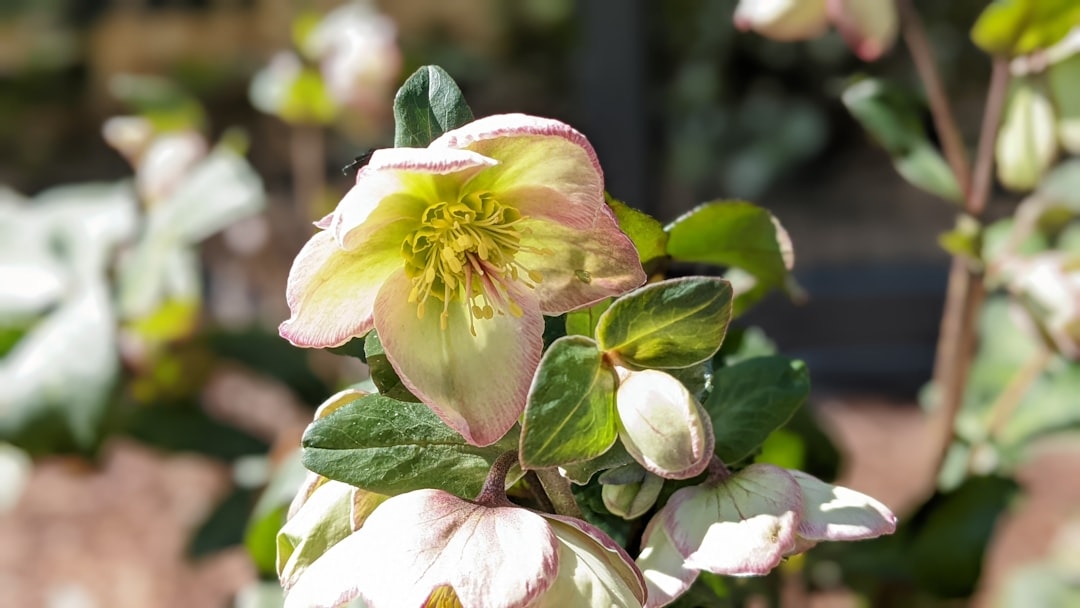
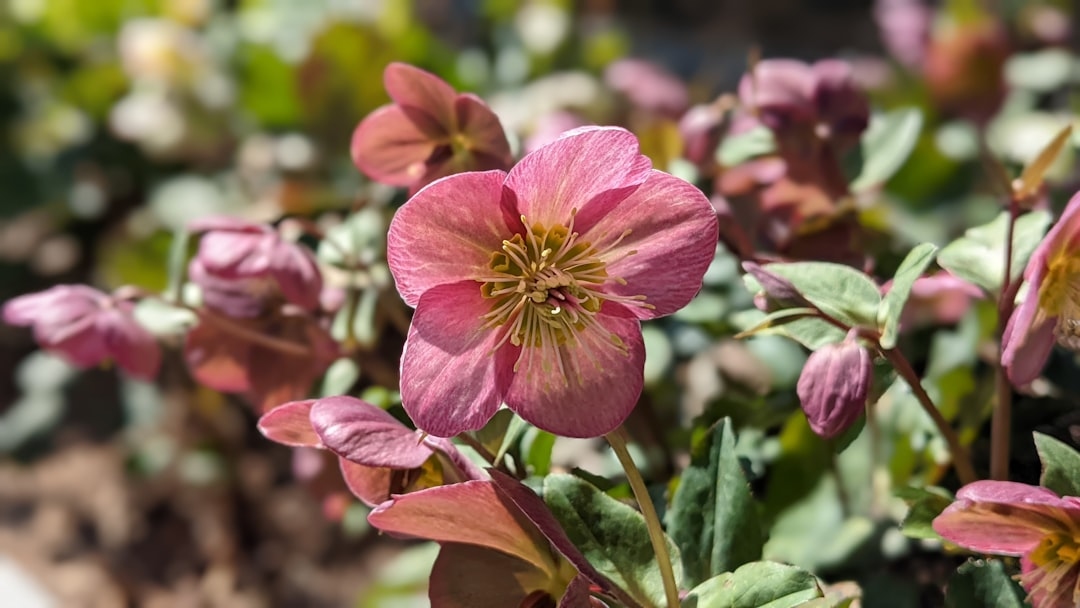
What appear to be petals are technically sepals — modified leaves that persist on the plant long after the true petals have dropped. This is why a single hellebore flower can look fresh for two to three months. The actual petals are tiny nectaries tucked at the center of the flower, serving pollinators like early-emerging bumblebees and honeybees that desperately need late-winter forage.
That ecological role matters. Hellebores are among the earliest nectar sources in cold climates, making them genuinely valuable plants for supporting pollinator populations — not just beautiful ones.
Choosing the Right Hellebore: Species and Cultivar Guide
The species you plant determines your maintenance load, bloom color range, and cold hardiness. Get this choice right and everything else becomes easier.
Helleborus × hybridus (Lenten Rose)
This is the workhorse of American gardens and the subject of most modern breeding programs. A complex hybrid of several European species, H. × hybridus tolerates Zones 4–9, produces flowers in virtually every color (including doubles, picotees, and anemone forms), and naturalizes freely by self-seeding. Plants typically reach 18–24 inches tall. Named series like Winter Jewels, Honeymoon, and Ice N’ Roses offer controlled color selection unavailable with open-pollinated seedlings. Expect to pay $12–$25 for a named cultivar in a one-gallon pot.
Helleborus niger (Christmas Rose)
The species most people picture when they hear “hellebore” — pure white, saucer-shaped flowers on a compact plant (12–15 inches). H. niger blooms earlier than hybrids, sometimes in December in Zone 6–7 gardens. It’s less adaptable to summer heat and prefers alkaline soils. The cultivar ‘HGC Jacob’ is notably vigorous and widely available. Hardy in Zones 3–8.
Helleborus foetidus (Stinking Hellebore)
Despite its off-putting common name, this species is architecturally stunning. Deeply divided, dark evergreen leaves create a dramatic mound year-round, and clusters of small, pale green flowers with maroon margins appear January–March. It tolerates drier shade better than other species — useful under shallow-rooted trees. Hardy in Zones 5–9. The smell (faintly unpleasant when bruised) is barely noticeable in normal garden conditions.
Helleborus argutifolius (Corsican Hellebore)
The largest species commonly grown in American gardens, reaching 2–3 feet tall with bold, blue-green foliage and clusters of 30 or more chartreuse flowers per stem. It handles sun better than most hellebores if given adequate moisture. Best in Zones 6–9; marginal in Zone 5 with wind protection.
Modern Bred Series Worth Knowing
- Ice N’ Roses (Krämer): Grown from tissue culture for consistent color; more upward-facing flowers than typical hybrids. $18–$30/plant.
- Honeymoon Series (Terra Nova): Compact habit (14–16 inches), very floriferous, excellent for containers. $15–$22/plant.
- Winter Jewels (Pine Knot Farms): Open-pollinated but selected for color; less expensive, more variable. $8–$15/plant.
Selecting and Preparing the Ideal Planting Site
Hellebores are not difficult plants, but they are specific plants. Siting them correctly is the single biggest factor in long-term success.
Light Requirements
Dappled shade is the gold standard — the kind found under deciduous trees, where plants receive direct winter sun (when the canopy is bare) and cool summer shade. Morning sun with afternoon shade also works well in most of the country. Full shade is tolerated but typically reduces flowering by 30–50% compared to dappled conditions. Full sun is viable only in Zone 5 and colder, where summer heat is mild, and only with consistent moisture.
Soil Preparation: The Critical Step
Hellebores demand good drainage above all else. Wet feet in winter cause crown rot — the leading cause of hellebore death in American gardens. At the same time, they need moisture-retentive organic matter to thrive through summer. This sounds contradictory; the solution is deeply amended soil.
Before planting, work a 3-inch layer of compost into the top 12 inches of soil. On heavy clay, add coarse horticultural grit (not fine sand) at a rate of one part grit to three parts native soil. Aim for a pH between 6.5 and 7.5 — hellebores are one of the few shade perennials that appreciate slightly alkaline conditions. A soil test (available from most county extension offices for $15–$25) will tell you exactly where you stand and how much lime to add if needed.
Spacing and Planting Depth
Space H. × hybridus plants 18–24 inches apart — they’ll fill in within two to three seasons. Plant at the same depth as the nursery container; burying the crown invites rot. In regions with heavy freeze-thaw cycles (Zones 4–5), a 2-inch mulch layer of shredded leaves over the root zone — but not over the crown — provides critical insulation.
- Plants (mid-range named cultivars): $150–$220
- Compost amendment (3 cu. ft. bags × 3): $30–$45
- Soil test: $15–$25
- Lime (if needed): $8–$15
- Shredded bark or leaf mulch: $20–$35
- Total estimated cost: $223–$340
Buying bare-root or seedling-stage plants can cut the plant cost to $40–$80, but expect a 2-year wait for first bloom.
Planting Hellebores: Timing and Technique
Fall planting (September–November) gives hellebores time to establish roots before winter and typically results in blooms the following late winter. Spring planting works but may push first flowering back a full season. Summer planting in zones with hot, dry summers is the hardest to pull off successfully without vigilant irrigation.
Dig a hole twice as wide as the root ball and slightly shallower. Loosen circling roots gently — hellebores resent being pot-bound, and a congested root mass is slow to establish. Backfill with native soil amended with compost, water in thoroughly, and apply a 2-inch mulch ring keeping material away from the crown by at least 3 inches.
Avoid fertilizing at planting. Let roots settle for four to six weeks before applying any amendments. New transplants given heavy fertilizer at planting often develop lush foliage at the expense of root development.
Year-Round Hellebore Care Calendar
Late Winter (January–March): Bloom Season Maintenance
As flower buds emerge, remove all old foliage from the previous year. This isn’t just aesthetic — cutting away old leaves reduces disease pressure from Helleborus leaf spot (Coniothyrium hellebori), which overwinters on old tissue. Use clean shears and make cuts at the base. The emerging flower stems and new foliage will fill in within weeks.
Apply a balanced slow-release fertilizer (10-10-10) at the label rate, or top-dress with a 1-inch layer of well-aged compost around the drip line. This single annual feeding is generally sufficient.
Spring (April–May): Post-Bloom Care
Allow seed pods to develop on plants you want to naturalize. For named cultivars where you want to maintain specific characteristics, deadhead promptly — self-sown seedlings will not come true to the parent. Mark any outstanding self-sown seedlings with a small stake so you can evaluate their flowers next year before deciding to keep or remove them.
Watch for aphid colonies on new growth; a strong spray of water handles light infestations. Insecticidal soap handles heavier pressure without harming the early-season bees that visit hellebore flowers.
Summer (June–August): The Quiet Season
Hellebores are summer-dormant in terms of flowering, but actively growing foliage. Consistent moisture is important during establishment (the first two years). Established plants are surprisingly drought-tolerant — a group of mature H. × hybridus under deciduous trees can often go two to three weeks without supplemental water in most of the country.
Do not cut back healthy summer foliage. Those leaves are manufacturing the energy stored in the crown for next winter’s bloom. Removing them in summer — a common mistake — noticeably reduces flowering the following season.
Fall (September–November): Planting and Prep
This is the best time to plant, divide, or transplant hellebores. Divide clumps that have become congested (typically every five to seven years) by digging the entire root mass and carefully separating crowns with a sharp knife. Each division should have at least two to three growing points. Replant immediately and water well.
Apply a fresh 2-inch layer of mulch after the ground has cooled but before it freezes hard. In Zone 4–5, evergreen boughs placed over the crown after freeze-up provide additional protection against desiccating winter winds.
Propagation: Growing More Hellebores
Division
The most reliable method for preserving named cultivars. Divide in early fall or very early spring before flower buds open. Divisions from a mature five-year-old clump typically bloom the following season.
Seed Propagation
Hellebore seeds require a warm/cold stratification cycle to germinate. Collect ripe seed pods in late spring before they shatter (pods are ready when they begin to yellow). Sow fresh seed immediately in a pot of moist, gritty seed mix and set outdoors in a shaded spot. Seeds typically germinate the following late winter after experiencing natural temperature fluctuations. Seedlings require two to three years to reach blooming size. Open-pollinated seed from H. × hybridus produces variable offspring — expect surprises, including some exceptional plants.
A Note on Eco-Friendly Propagation
Seed propagation and division are both sustainable, zero-waste approaches to expanding your hellebore collection. Unlike purchasing tissue-cultured plants shipped in plastic pots, growing from collected seed or dividing your own plants eliminates packaging waste and reduces the carbon footprint of your garden entirely. Several specialty nurseries — including Pine Knot Farms in Virginia and Sunshine Farm & Gardens in West Virginia — sell bare-root hellebores packed in damp newspaper rather than plastic, a worthwhile consideration for eco-conscious buyers.
Hellebore Growing Guide: Troubleshooting Common Problems
Black or Brown Leaf Spots (Hellebore Leaf Spot)
The most common hellebore disease, caused by the fungus Coniothyrium hellebori. Symptoms: black or dark brown spots with yellow halos, often spreading to cover entire leaves by late summer. Management: remove and destroy (do not compost) affected foliage promptly. The single most effective preventive measure is cutting all old foliage to the ground in late January before new growth emerges. Fungicide sprays (copper-based) can slow active infections but won’t eliminate established ones.
Crown Rot
Caused by Phytophthora and Pythium species in waterlogged soils. Plants collapse suddenly; the crown tissue is soft and dark. No recovery is possible once crown rot sets in. Prevention is everything: plant in well-drained soil, never mulch directly over the crown, and avoid overhead irrigation that keeps the crown wet overnight.
Aphids
Clusters of black or green aphids on new growth are common in spring. They rarely cause serious long-term damage to established plants. Knock them off with water, apply neem oil, or introduce parasitic wasps — a naturally occurring predator in most gardens that provides effective biological control.
Failure to Bloom
The most frequent complaint from new hellebore growers. Causes include: too much shade (reducing light by even 20% measurably reduces flower count), planting too deep, summer foliage removal, and youth — plants under 18 months old often skip their first bloom season entirely. Check each variable systematically before assuming the plant is defective.
Slugs and Snails
A problem primarily on young plants and new spring growth. Iron phosphate baits (sold as Sluggo) are effective, pet-safe, and break down into soil nutrients — a genuinely eco-friendly option compared to metaldehyde-based baits, which are toxic to wildlife and banned in several states.
Hellebores in the Landscape: Design Applications
Hellebores solve one of the hardest problems in garden design: shade combined with winter interest. A mass planting of 15–20 H. × hybridus under a mature deciduous tree creates a ground-level tapestry that looks good in every season — not just during its brief bloom window.
Pair hellebores with early bulbs for maximum late-winter impact: snowdrops (Galanthus), winter aconite (Eranthis), and early crocus all bloom simultaneously with hellebores and share the same cultural conditions. Ferns — particularly autumn fern (Dryopteris erythrosora) and Japanese painted fern (Athyrium niponicum) — fill in the summer gaps between hellebore clumps beautifully.
For container use, the compact Honeymoon Series performs exceptionally well in large (16-inch minimum) pots with excellent drainage. Use a blend of 50% quality potting mix and 50% perlite. Container-grown hellebores in Zones 5–6 need protection from freeze-thaw cycles that heave roots in pots — moving them into an unheated garage or against a south-facing wall over winter is sufficient.
Sustainability and Ecological Value of Growing Hellebores
Few ornamental perennials offer hellebores’ combination of environmental benefits. Their extended bloom window (sometimes 10–12 weeks) provides critical early-season pollen and nectar when almost nothing else is available to bees. Research from the Royal Horticultural Society found that hellebores attract six or more bee species during their bloom period, including queens of several Bombus species that are building colony strength for the season ahead.
Hellebores are also long-lived perennials — 20-year-old clumps are not uncommon — which means one-time planting delivers decades of value. Their toxicity to deer, rabbits, and voles makes them uniquely low-input in regions where herbivory pressure makes other perennials difficult to maintain without chemical deterrents. And because they thrive under trees, they can be incorporated into layered, multi-canopy planting schemes that sequester carbon and support biodiversity far beyond what a conventional flower bed achieves.
Choosing hellebores over annual flowers for shade beds eliminates the annual cycle of plastic six-pack purchases, peat-based potting soil waste, and seasonal replanting — a meaningful reduction in garden-related resource consumption over any ten-year period.
Where to Buy Hellebores: What to Look For
Quality varies significantly in the hellebore market. Big-box stores typically sell unnamed seedlings under generic labels like “Lenten Rose Assorted” — these are often fine plants but offer no color guarantee. Specialty perennial nurseries and mail-order sources offer named cultivars and tissue-cultured plants with specific color profiles.
When buying in person, look for plants with at least two or three growing crowns, firm (not mushy) crowns at soil level, and no signs of leaf spot on existing foliage. A small plant with healthy roots consistently outperforms a large plant with circling, pot-bound roots. Avoid plants with yellowing or wilted foliage, even if heavily discounted — hellebore stress at purchase often results in first-year bloom failure.
Buying in late winter or early spring when plants are in bloom is the only reliable way to know exactly what color you’re getting with open-pollinated varieties. Many specialty nurseries offer “in bloom” shipping during February and March specifically for this reason, though shipping adds $15–$35 to per-plant costs.
Frequently Asked Questions About Growing Hellebores
How long do hellebores take to bloom after planting?
Container-grown hellebores planted in fall typically bloom the following late winter, though first-year flowering may be sparse. Plants grown from seed take two to three years to reach blooming size. Division from a mature plant usually blooms the season after transplanting.
Are hellebores deer resistant?
Yes. All parts of the hellebore plant contain toxic alkaloids (including protoanemonin and ranunculin) that make them highly unpalatable to deer, rabbits, and voles. They are among the most reliably deer-resistant perennials available to American gardeners, though in areas with extreme browse pressure, no plant is entirely immune.
Can hellebores grow in full shade?
Hellebores tolerate full shade but perform best in dappled or part shade. In full, dense shade — such as under a Norway spruce — flowering typically decreases by 30–50% compared to plants in brighter conditions. If you have a very dark spot, H. foetidus handles low light better than hybrid varieties.
Do hellebores spread or become invasive?
Hellebores self-seed moderately in good conditions, gradually forming colonies over many years. They are not considered invasive in any US state and do not spread aggressively. Unwanted seedlings are easily removed while small. To limit self-seeding, deadhead spent flowers before seed pods mature in late spring.
Why are my hellebore flowers facing down?
Nodding, downward-facing flowers are natural in most H. × hybridus hybrids — an evolutionary trait that protects pollen from rain and snow. Modern breeders have selected for more upward-facing flowers; the Ice N’ Roses and Honeymoon series both feature flowers held more horizontally than traditional varieties. To appreciate the flower markings on nodding types, plant them on a slope or at the edge of a raised bed where you can look up into the face of the flower.
Start Your Hellebore Garden This Fall
Hellebores reward patience and repay good siting with decades of low-maintenance beauty. The investment — in both money and attention — is front-loaded: prepare the soil well, choose the right species for your zone, and plant at the right depth. After that, your main job is staying out of the way.
If this hellebore growing guide has convinced you to try them, fall is your best window. Order from a specialty nursery in August or September to guarantee availability — named cultivars in popular series sell out by October most years. Plant them under your best deciduous tree, mulch the root zone, and wait. Come February, while the rest of the garden is still brown and silent, you’ll have flowers.
That’s the promise hellebores make. They keep it every year.