Contents:
- What Are Coneflowers? A Quick Botanical Background
- Top Echinacea Varieties Worth Growing
- Classic Purple Varieties
- Extended Color Range
- Double-Flowered and Novelty Types
- How to Grow Coneflowers: Soil, Sun, and Planting
- Soil Preparation
- Spacing and Planting Depth
- Sun Requirements
- Coneflower Care Through the Seasons
- Spring: Getting the Season Started
- Summer: Peak Bloom and Maintenance
- Fall and Winter: The Ecological Season
- Regional Growing Differences Across the US
- Northeast and Midwest
- The South (Zones 7–9)
- West Coast and Mountain West
- Propagating Coneflowers: Division, Seed, and Cuttings
- Division
- Growing from Seed
- Stem Cuttings
- Companion Planting for Maximum Impact
- Common Mistakes to Avoid
- The Eco-Friendly Case for Growing Echinacea
- Buying and Pricing Guide
- Frequently Asked Questions
- How long do coneflowers bloom?
- Do coneflowers come back every year?
- How far apart should I plant coneflowers?
- Why are my coneflowers not blooming?
- Are coneflowers deer resistant?
- Growing Forward: Building on What You Know
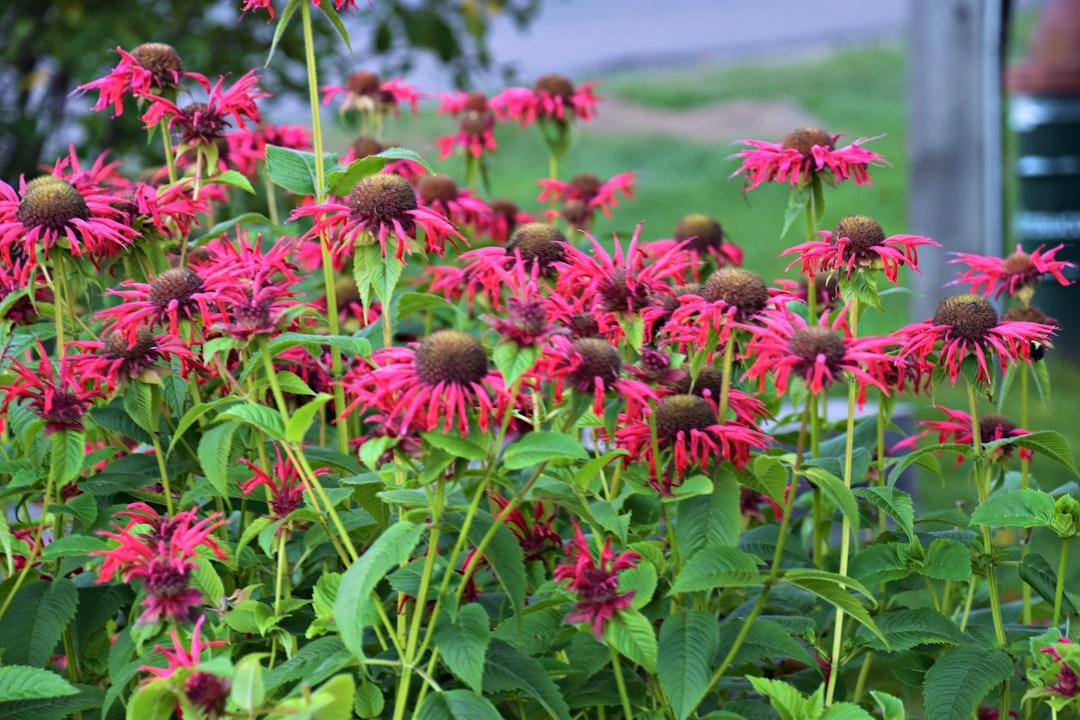
You’re walking through a neighbor’s garden in late July, and something stops you cold. A sweeping drift of rosy-purple blooms, each one crowned with a spiky copper dome, buzzing with bees and butterflies. You make a mental note: I need those in my garden. Those are coneflowers — and once you grow them, you’ll wonder how you ever gardened without them.
This coneflower echinacea guide covers everything from species identification and variety selection to soil prep, seasonal care, and the subtle regional adjustments that make the difference between a plant that survives and one that absolutely thrives. Whether you’re expanding an established perennial border or building a pollinator garden from scratch, there’s something here to sharpen your approach.
What Are Coneflowers? A Quick Botanical Background
Coneflowers belong to the genus Echinacea, a name derived from the Greek word echinos, meaning hedgehog — a nod to those distinctive spiky seed heads. Native to the prairies and open woodlands of North America, they’ve been growing wild across the continent for thousands of years. Indigenous communities valued them medicinally long before they became a garden staple, using roots and leaves to treat everything from toothaches to infections.
The genus contains nine recognized species, but only a handful dominate the horticultural world. Echinacea purpurea — the purple coneflower — is the workhorse: tough, adaptable, and extraordinarily floriferous. Echinacea pallida offers drooping pale-pink petals and a more refined silhouette. Echinacea angustifolia, the narrow-leaf coneflower, has the deepest medicinal roots and the most drought tolerance of the three. Modern breeding programs, particularly those working with Echinacea paradoxa (the yellow coneflower), have exploded the color palette far beyond purple into orange, red, white, and coral.
Understanding the species behind your cultivar matters. A flashy double-flowered hybrid may look spectacular in a catalog, but it behaves very differently in your garden than a straight species plant. Knowing what you’re working with helps you set realistic expectations — and gets you better results.
Top Echinacea Varieties Worth Growing
The coneflower market has never been more exciting. Here’s a curated look at varieties that consistently perform well for experienced gardeners.
Classic Purple Varieties
Magnus was the 1998 Perennial Plant of the Year, and it earned that title. It produces large, flat-petaled flowers in a rich rose-purple — no drooping petals — on stems that reach 36 inches. It’s vigorous, self-seeds reliably, and naturalizes beautifully in informal borders. For a deeper, more saturated color, Prairie Splendor Deep Rose offers more compact growth at 18–20 inches, making it ideal for the front of a border.
Kim’s Knee High tops out at just 18 inches, a genuinely dwarf variety that doesn’t sacrifice bloom size. It’s perfect for containers or tight urban gardens where standard coneflowers would overwhelm the space.
Extended Color Range
The Cheyenne Spirit series brought home the 2013 All-America Selections award with its mix of red, orange, yellow, cream, and purple — all within a single seed packet. Plants reach 24–28 inches and bloom in their first year from seed if started indoors 10–12 weeks before last frost. For a more curated look, Sombrero Salsa Red delivers a vivid brick-red that holds color even in full summer heat, reaching 24 inches with exceptional heat tolerance.
White Swan remains the go-to white coneflower for gardeners who want clean, elegant borders. It’s a straight E. purpurea selection — not a hybrid — so it’s more persistent and self-seeds freely. Pairs beautifully with ornamental grasses and late-summer blues like agastache or veronicastrum.
Double-Flowered and Novelty Types
Double-flowered varieties like Coconut Lime and Pow Wow Wildberry generate tremendous visual impact but come with a tradeoff: pollinators find the doubled petals harder to access, and these cultivars are generally shorter-lived, often behaving as biennials rather than true perennials in colder zones. Plant them for their showiness, but back them up with species types if long-term garden stability matters to you.
How to Grow Coneflowers: Soil, Sun, and Planting
Coneflowers are prairie plants. That heritage tells you almost everything you need to know about their preferences: full sun, lean-to-average soil, and excellent drainage. They evolved on open grasslands with periodic drought, not coddled in amended garden beds.
Soil Preparation
Aim for a soil pH between 6.0 and 7.0. Slightly acidic to neutral conditions suit most species well. If your soil is heavy clay, amend the planting area with coarse sand and compost — but don’t overdo the compost. Rich, fertile soil produces lush foliage at the expense of flowers and makes plants floppy. A simple soil test (available from your county extension office for $15–$25) tells you exactly what adjustments are needed before you plant.
Drainage is non-negotiable. Echinacea crowns sitting in waterlogged soil through winter will rot. If your garden has drainage issues, build a raised bed or mound your planting area several inches above grade.
Spacing and Planting Depth
Space plants 18–24 inches apart to allow good air circulation, which reduces the risk of fungal issues like powdery mildew. Plant at the same depth as the nursery container — crown depth matters here. Planting too deep smothers the crown; too shallow exposes roots to freeze-thaw cycles in colder climates.
For bare-root plants (common in mail-order purchases), soak roots in water for 30–60 minutes before planting, spread them gently in the planting hole, and backfill so the crown sits just at soil level.
Sun Requirements
Six hours of direct sun is the minimum; eight or more is ideal. In partial shade, plants will grow but bloom sparsely and stretch toward light, compromising their signature upright form. One exception: in the deep South (USDA Zones 8–9), afternoon shade during the hottest months can extend bloom time and prevent petal bleaching on lighter-colored varieties.
Coneflower Care Through the Seasons
Spring: Getting the Season Started
Resist the urge to cut back old growth in early spring until nighttime temperatures consistently stay above 50°F. The hollow stems left from last year provide overwintering habitat for native cavity-nesting bees — a free pollinator hotel that costs you nothing. Once new growth is 3–4 inches tall, remove the old stems at ground level.
Apply a light topdressing of compost (no more than 1 inch) around established clumps, keeping it away from the crown. This feeds the soil ecosystem without over-fertilizing the plants themselves.
Summer: Peak Bloom and Maintenance
Deadheading prolongs bloom by preventing the plant from setting seed. Snip spent flowers just above the next bud or leaf node. For maximum flowering, continue deadheading until mid-August, then stop — allowing the last flush of flowers to go to seed provides a critical late-season food source for goldfinches, which are specialized seed-eaters and will work the seed heads methodically from August through November.
Water newly planted coneflowers deeply once or twice a week during their first season. Established plants (two years or older) are remarkably drought-tolerant; in most US climates, they thrive on 1 inch of water per week from rain or irrigation combined. During extended drought, water at the base of the plant — overhead watering increases fungal pressure.
Fall and Winter: The Ecological Season
This is where an eco-conscious approach pays real dividends. Leave seed heads standing through winter. They feed birds, add structural interest to the frost-covered garden, and the standing stems shelter overwintering insects. Studies from the Xerces Society have found that as many as 30% of cavity-nesting native bees overwinter inside hollow plant stems — cutting everything to the ground in fall eliminates that habitat in one pass.
In USDA Zones 4–5, a light mulch of shredded leaves (2–3 inches) applied after the ground freezes helps protect crowns through freeze-thaw cycles without smothering them. Remove it gradually in early spring as temperatures warm.
Regional Growing Differences Across the US
Coneflowers grow from Zone 3 to Zone 9, but the experience varies significantly depending on where you garden.
Northeast and Midwest
This is coneflower country. The climate — cold winters, warm summers, reliable moisture — mirrors their native prairie habitat closely. Species types like E. purpurea and E. pallida naturalize readily and return reliably for 10 years or more without division. The main challenge is late spring frosts occasionally burning early new growth; if a hard frost is forecast after growth has emerged, a frost cloth overnight protects tender shoots.
The South (Zones 7–9)
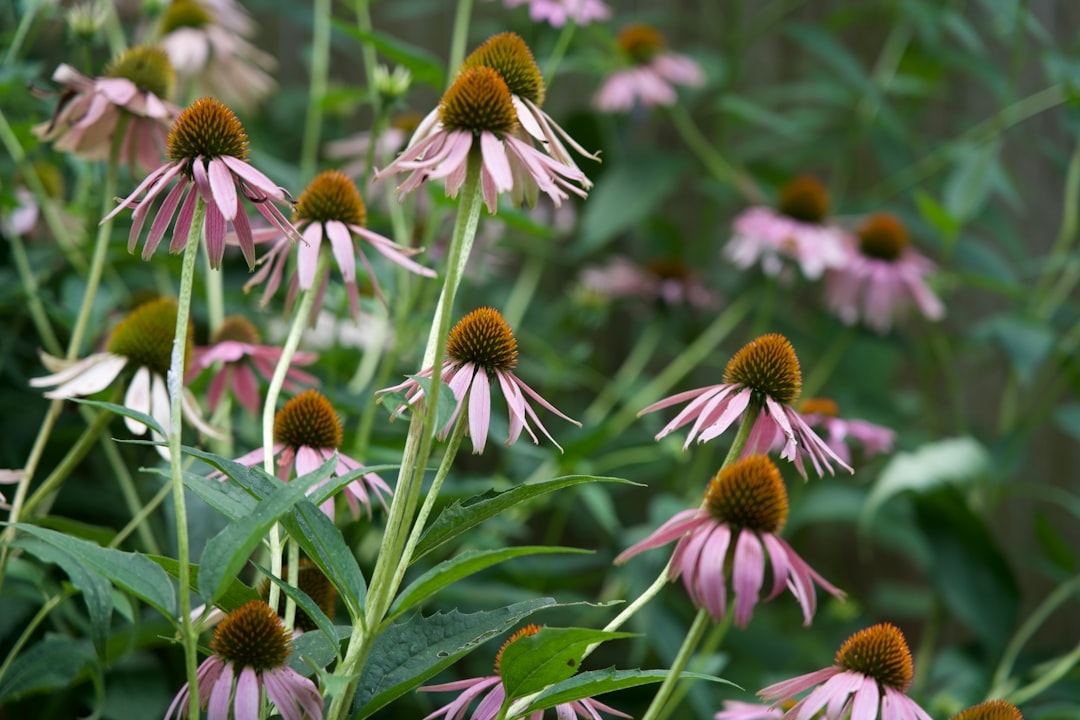
Gardeners in the Southeast often struggle with coneflower longevity. The combination of summer heat, high humidity, and mild winters (which don’t provide adequate cold dormancy for some cultivars) shortens the perennial lifespan. Treat them as short-lived perennials or even annuals in Zone 9, and choose heat-tolerant selections like the Sombrero series or straight E. purpurea rather than complex hybrids. In these regions, afternoon shade and excellent drainage are especially critical.
West Coast and Mountain West
The Pacific Northwest, with its mild, wet winters, creates conditions similar to the South in one key way: the lack of hard freezes combined with wet soils makes crown rot a serious risk. Plant in the best-draining spots available, and consider raised beds in areas with heavy winter rainfall. In the intermountain West and high-elevation gardens, E. angustifolia — the most drought-tolerant species — outperforms others once established, thriving on the lean, dry conditions that would stress moisture-loving cultivars.
Propagating Coneflowers: Division, Seed, and Cuttings
Growing your own coneflowers from seed or division is deeply satisfying — and it’s how you end up with dozens of plants without spending a fortune.
Division
Divide established clumps every 3–4 years in early spring when new growth is just emerging, or in early fall at least 6 weeks before your first frost date. Use a sharp spade to cut through the crown, separating it into sections that each have 3–5 healthy growth points. Replant immediately, water well, and expect some wilting for the first week — perfectly normal as roots reestablish.
Growing from Seed
Species types come true from seed; named cultivars and hybrids generally do not. Cold stratification — exposing seeds to moist cold for 8–10 weeks — dramatically improves germination rates. The simplest method: sow seeds outdoors in fall and let winter do the work naturally. For spring sowing, refrigerate moistened seeds in a zip-lock bag with a little peat moss for 8 weeks before planting. Surface-sow into seed trays (seeds need light to germinate) and expect germination in 10–20 days at 70°F.
Stem Cuttings
Softwood cuttings taken in late spring (when stems are 4–6 inches long) root readily in a perlite-heavy propagation mix. Dip the cut end in rooting hormone, insert into moistened propagation medium, and cover with a humidity dome. Roots develop in 3–4 weeks. This is the best method for propagating named varieties true-to-type.
Companion Planting for Maximum Impact
Coneflowers are generous companions. Their upright form and mid-to-late summer bloom time make them compatible with a wide range of perennials.
Pair them with Russian sage (Perovskia atriplicifolia) for a classic purple-and-silver combination that blooms simultaneously and attracts identical pollinator species. Black-eyed Susans (Rudbeckia hirta) extend the warm-toned palette and share the same cultural needs almost exactly. For contrast, try ornamental grasses like Karl Foerster feather reed grass — the vertical, airy texture of the grass offsets the solid dome of the coneflower beautifully.
In a pollinator garden design, combine coneflowers with milkweed (Asclepias tuberosa) and native asters to create a succession of bloom that feeds pollinators from June through October. This trio supports monarch butterflies, native bees, and specialist flower flies across multiple life stages.
Common Mistakes to Avoid
- Over-fertilizing: High-nitrogen fertilizers push leafy growth and reduce flowering. If you must fertilize, use a low-nitrogen, phosphorus-forward formula (like 5-10-5) once in early spring — and only if your soil is genuinely poor.
- Planting in poorly drained spots: Crown rot is the number-one killer of coneflowers. If water pools in a planting area for more than an hour after heavy rain, choose a different location or build up the grade.
- Cutting back too aggressively in fall: Clearing the garden in October feels tidy, but it removes overwintering habitat and eliminates the seed heads that feed birds through winter. Hold back until late winter or early spring.
- Choosing trendy doubles over species: Double and semi-double varieties often have poor cold hardiness and short lifespans. For a low-maintenance, long-lived planting, lean toward straight species or first-generation cultivars like Magnus or White Swan.
- Ignoring powdery mildew early: White powdery coating on leaves in mid-summer signals mildew. It rarely kills plants but significantly weakens them. Improve air circulation, avoid overhead watering, and remove affected foliage promptly. A spray of diluted neem oil (2 tablespoons per gallon of water) at the first sign of infection can halt its spread.
- Watering established plants too often: Once established, coneflowers perform better with less water, not more. Overwatering mimics the root rot conditions they’re most susceptible to.
The Eco-Friendly Case for Growing Echinacea
From a sustainability standpoint, coneflowers are one of the best investments a gardener can make. They require no supplemental fertilizer once established, minimal irrigation after their first season, and zero pesticides when grown in the right conditions. Their deep taproots — some reaching 12 inches or more — improve soil structure and sequester carbon. They support over 40 species of native bees, including specialist bees in the genus Melissodes that collect pollen almost exclusively from coneflowers and related composites.
Replacing even a small section of traditional lawn with a coneflower planting reduces mowing frequency, eliminates fertilizer and herbicide inputs, and creates ecological connections that a lawn simply cannot. According to the National Wildlife Federation, a single garden plant like Echinacea purpurea supports more pollinator species than most exotic ornamentals combined. That’s an outsized return for a plant that costs $8–$15 at a nursery and largely takes care of itself.
If you save seed from open-pollinated species types each fall, your cost drops to zero after the first year. A paper envelope, a cool dry location, and seeds saved from your best plants give you an essentially self-sustaining garden ecosystem — one that gets richer and more diverse every season.
Buying and Pricing Guide
At most independent garden centers, bare-root coneflowers run $6–$12 per plant, while gallon-sized containers average $10–$18. The premium hybrids — Sombrero series, Solar Flare, Magnus Supreme — often retail at $16–$25 per gallon. Mail-order specialty perennial nurseries like Prairie Nursery, High Country Gardens, and Plant Delights are excellent sources for less common species and regionally appropriate selections.
For budget-conscious gardeners, buying one or two plants and dividing them in year three is far more economical than purchasing an entire planting upfront. A single $12 Magnus plant, divided every three years, becomes 30–40 plants within a decade — at no additional cost.
Frequently Asked Questions
How long do coneflowers bloom?
Most Echinacea purpurea varieties bloom for 6–8 weeks, typically from late June through August in USDA Zones 4–7. Deadheading extends the bloom period by preventing seed set. Some newer cultivars like the Sombrero series advertise bloom times of 10–12 weeks under ideal conditions.
Do coneflowers come back every year?
Yes — coneflowers are hardy perennials in Zones 3–9. Species types like E. purpurea are long-lived and may persist 10 years or more without division. Complex hybrids and double-flowered varieties tend to be shorter-lived, sometimes behaving as biennials in cold or humid climates.
How far apart should I plant coneflowers?
Space coneflowers 18–24 inches apart. This spacing allows for adequate air circulation (reducing fungal disease pressure) and gives plants room to spread naturally without crowding their neighbors. In mass plantings, 18-inch spacing creates a fuller look faster; 24 inches is better for long-term low-maintenance borders.
Why are my coneflowers not blooming?
The most common causes are insufficient sunlight (less than 6 hours direct sun), overly rich soil that promotes foliage over flowers, or plants in their first year focusing energy on root establishment. New transplants often bloom modestly or not at all in year one — this is normal. Year two and beyond typically brings full flowering.
Are coneflowers deer resistant?
Coneflowers have moderate deer resistance. The rough, bristly foliage is unappealing to deer in most conditions. However, when deer populations are high and food is scarce — particularly in late winter or early spring — even “deer resistant” plants get browsed. Surrounding coneflowers with strongly aromatic plants like Russian sage or ornamental alliums can reduce deer pressure without the need for repellent sprays.
Growing Forward: Building on What You Know
The gardener who masters coneflowers rarely stops there. The same principles — native plants, lean soil, ecological design, seasonal patience — unlock a whole system of prairie-inspired perennial gardening. Add Rudbeckia, Liatris, and Penstemon alongside your Echinacea, and you’ve got the foundation of a genuinely low-input, high-impact garden that performs across three full seasons.
Use this coneflower echinacea guide as a living reference — come back to the regional section before your first planting, revisit the propagation section in year three when your clumps are ready to divide, and lean on the companion planting ideas when you’re ready to expand. The most satisfying gardens are built incrementally, season by season, with each plant informing the next choice.
Start with three Magnus plants this spring. By fall, you’ll be planning where to put thirty more.