Contents:
- What Is Protea? Botany, Origins, and Why It Matters
- The Complete Protea Growing Guide: Climate and Site Selection
- USDA Hardiness Zones and Temperature Ranges
- Sunlight Requirements
- Choosing Your Planting Site
- Soil Science: The Foundation of Successful Protea Cultivation
- pH and Nutrient Requirements
- Soil Texture and Drainage
- Amending for Protea Success
- Selecting the Right Protea Species and Varieties
- Best Species for American Gardens
- Leucadendrons and Companion Proteaceae
- Planting Proteas: Timing, Technique, and Spacing
- When to Plant
- Planting Technique
- Spacing Guidelines
- Watering Strategies for Established and New Plants
- Year One and Two: Establishment Irrigation
- Mature Plants: Drought Tolerance and Summer Irrigation
- Irrigation Method
- Fertilizing Proteas: Less Is More
- What to Use (and What to Absolutely Avoid)
- Pruning Proteas for Bloom Production and Plant Health
- When and How to Prune
- Sanitizing Your Tools
- Common Pests and Diseases in Protea Cultivation
- Phytophthora Root Rot
- Botrytis Blight (Gray Mold)
- Cottony Cushion Scale
- Root-Knot Nematodes
- Harvesting and Arranging Protea Cut Flowers
- Harvest Timing and Technique
- Conditioning for Maximum Vase Life
- Design Principles for Protea Arrangements
- Growing Proteas in Containers
- Propagating Proteas: Seeds and Cuttings
- Growing from Seed
- Propagation from Cuttings
- Protea as a Commercial Cut Flower Crop
- Frequently Asked Questions About Growing Protea
- How long does it take for a protea plant to bloom?
- Can proteas grow in clay soil?
- Why are my protea leaves turning yellow?
- Are proteas deer resistant?
- What is the best protea for cut flowers in a home garden?
- Planning Your Fynbos-Inspired Protea Garden
Protea is one of the oldest flowering plant genera on Earth — older than the supercontinent Gondwana itself, with a fossil record stretching back over 300 million years. Yet despite this ancient lineage, most American gardeners treat it like an exotic novelty rather than a cultivatable plant. That’s a mistake worth correcting. With the right conditions, proteas are among the most rewarding, drought-tolerant, and visually spectacular plants you can grow in USDA Hardiness Zones 9 through 11 — and with some creativity, even in Zone 8 with protection.
This protea growing guide covers everything from species selection and soil chemistry to cut flower arranging and common pest management. Whether you’re a California gardener eyeing those sun-drenched slopes or a Florida enthusiast experimenting with raised beds, there’s a protea suited to your landscape.
What Is Protea? Botany, Origins, and Why It Matters
Protea belongs to the family Proteaceae, a massive and ancient plant family that also includes leucadendron, banksia, grevillea, and macadamia. The genus Protea itself contains roughly 115 recognized species, almost all native to the Cape Floristic Region of South Africa — one of the world’s six recognized biodiversity hotspots, covering just 0.5% of Africa’s land area but housing nearly 20% of the continent’s flora.
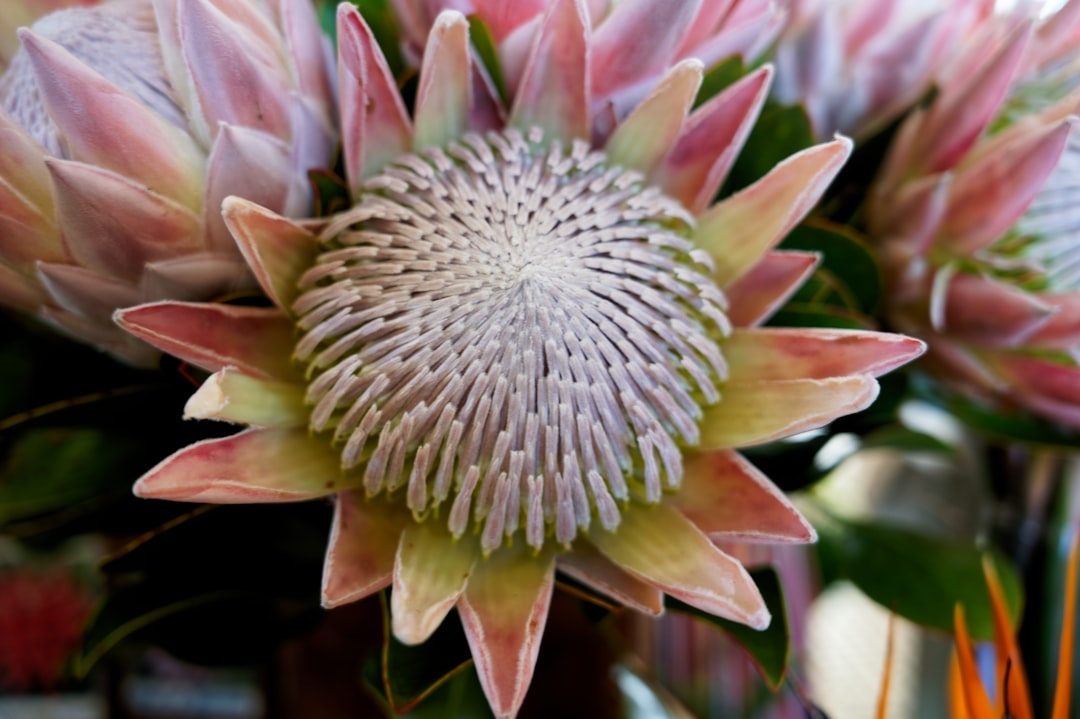
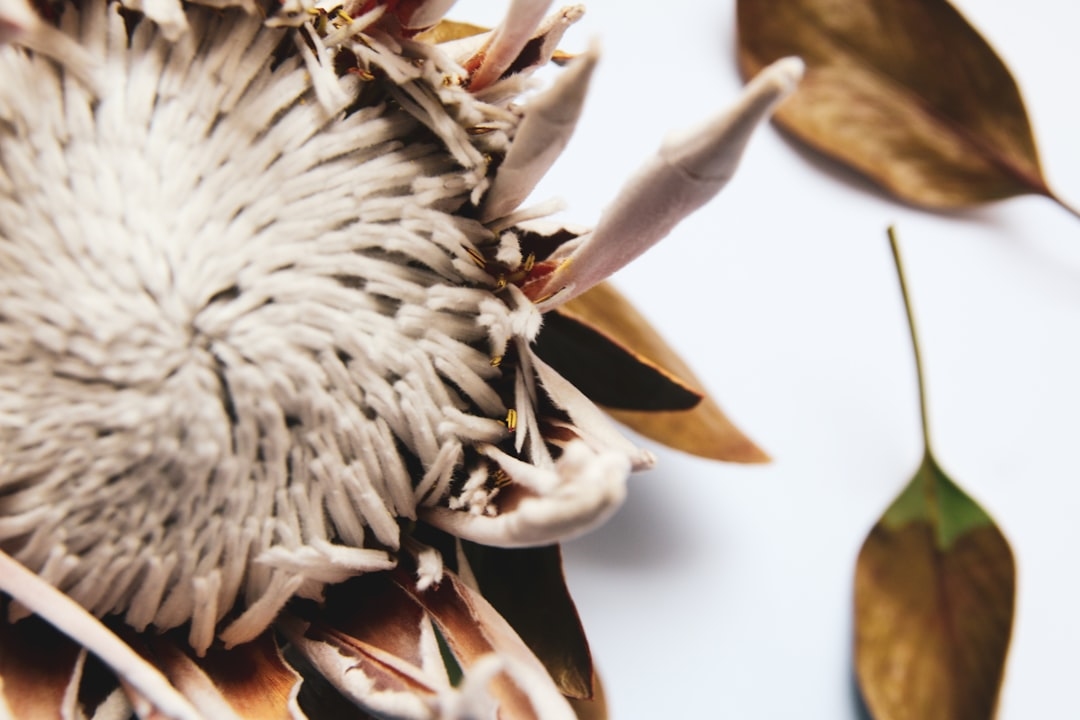
The genus was named by Carl Linnaeus in 1735 after Proteus, the shape-shifting Greek sea god. The name is apt. Protea flowers range from the massive, 12-inch dinner-plate heads of Protea cynaroides (the King Protea, South Africa’s national flower) to the delicate, nodding 3-inch blooms of Protea neriifolia. Colors span creamy white, pale pink, deep crimson, salmon, burgundy, and near-black.
Understanding the plant’s origins explains almost everything about how to grow it successfully. The fynbos biome where most proteas evolved is characterized by nutrient-poor, acidic, well-draining soils; dry summers; cool, wet winters; and periodic fires that actually trigger seed germination in many species. Replicating these conditions — particularly the low-phosphorus soil — is the single most important factor in protea cultivation.
The Complete Protea Growing Guide: Climate and Site Selection
Before purchasing a single plant, evaluate your site honestly. Proteas are not forgiving of poor placement, and most failures trace back to inappropriate climate or soil rather than poor watering habits.
USDA Hardiness Zones and Temperature Ranges
Most protea species thrive in USDA Zones 9–11, where winter temperatures rarely drop below 25°F. Protea cynaroides is among the hardiest, tolerating brief dips to 20°F when established. Southern California (particularly San Diego and Los Angeles counties), coastal Hawaii, central and northern Florida, and parts of the Pacific Northwest coast are prime growing regions in the US.
Zone 8 gardeners — parts of Texas, the Gulf Coast, and the Pacific Northwest — can succeed with careful microclimate selection: south-facing slopes, proximity to masonry walls that retain daytime heat, and well-draining raised beds that prevent cold water from pooling around roots in winter.
Sunlight Requirements
Proteas demand full sun — a minimum of 6 hours of direct sunlight daily, with 8 hours preferred. Partial shade results in elongated, weak stems, reduced bloom production, and increased susceptibility to fungal disease. In regions with intense summer sun above 100°F, light afternoon shade can prevent leaf scorch, but morning sun exposure is non-negotiable.
Choosing Your Planting Site
Slope placement isn’t merely aesthetic — it’s functional. Planting on a 15- to 30-degree slope dramatically improves drainage and cold air drainage. Avoid low-lying areas where frost pockets form and where water collects after rain. Air circulation matters too: dense plantings or spots sheltered by walls on multiple sides create humid microclimates that favor Botrytis and other fungal pathogens.
Soil Science: The Foundation of Successful Protea Cultivation
No aspect of protea growing is more misunderstood — or more critical — than soil chemistry. Get this wrong and no amount of careful watering or fertilizing will save your plants.
pH and Nutrient Requirements
Proteas require acidic soil with a pH between 5.0 and 6.5. Below 5.0, manganese and aluminum become toxic; above 6.5, iron becomes unavailable and chlorosis develops rapidly. Test your soil before planting using an inexpensive digital pH meter or a mail-in soil test from your local cooperative extension service. UC Davis and Texas A&M both offer mail-in testing for around $25–$40 per sample.
The phosphorus rule is the one most gardeners learn the hard way: proteas are extremely sensitive to phosphorus toxicity. In their native fynbos soils, available phosphorus levels are often below 2 ppm. Most American garden soils and virtually all commercial fertilizers contain far more than this. Even a single application of a standard balanced fertilizer (10-10-10) can cause rapid decline and death in proteas. Never use fertilizers containing superphosphate or any significant phosphorus fraction.
Soil Texture and Drainage
Sandy loam or gravelly soils with high permeability are ideal. A simple drainage test: dig a 12-inch hole, fill it with water, and measure how long it takes to drain. Proteas require drainage of at least 2 inches per hour; anything slower needs amendment. Incorporate coarse perlite, decomposed granite, or horticultural grit at a ratio of 30–40% by volume into native clay soils, or build raised beds at least 18 inches deep with a purpose-made mix.
Amending for Protea Success
A reliable planting mix for raised beds: 40% native soil (if sandy/loamy), 30% coarse washed sand, 20% composted bark fines (pine bark, not wood chips), and 10% perlite. Avoid peat moss — its high water retention contradicts what proteas need, and its sustainability concerns make it a poor choice regardless. Sulfur powder at 2 tablespoons per square foot can lower pH in alkaline soils, though this takes 6–8 weeks to take effect, so amend well before planting.
Many experienced protea growers skip bagged soil amendments entirely and instead source decomposed granite screenings from local quarries — often available for $30–$50 per cubic yard. Mixed 50/50 with native sandy soil, this creates a near-perfect protea medium: excellent drainage, low nutrients, and the slight acidity that fynbos plants love. Call your nearest landscaping supply yard and ask for “1/4-inch minus decomposed granite.”
Selecting the Right Protea Species and Varieties
With over 115 species and hundreds of cultivated varieties, narrowing down your selection can feel overwhelming. Think about three factors: your climate’s coldest winter temperatures, your garden’s aesthetic goals, and whether you want cut flowers or landscape plants (some varieties excel at both).
Best Species for American Gardens
Protea cynaroides (King Protea): The showstopper. Blooms reach 8–12 inches across with dramatic silky bracts in white, pink, crimson, or bicolor. Grows 3–5 feet tall and wide. Blooms mainly in winter and spring in California — an extraordinary time to have color in the garden. Hardy to Zone 9a (approximately 20°F with established roots).
Protea neriifolia (Oleander-leaf Protea): Arguably the most adaptable and floriferous species for US gardens. Produces 3–4 inch blooms with distinctive black-fringed bracts. Excellent cut flower with a 2–3 week vase life. Grows vigorously to 6–8 feet; requires annual pruning to maintain manageable size.
Protea repens (Common Sugarbush): The most widely cultivated protea commercially. Honey-scented blooms in pink, white, and red appear prolifically from fall through spring. More tolerant of slightly heavier soils than other species. A reliable starter plant for new growers.
Protea eximia (Duke of Burgundy): Deep burgundy-pink blooms with a broad, flattened form. Beautiful in both garden and vase. Grows to 8–10 feet if unpruned; responds well to hard annual cutting.
Protea ‘Pink Ice’ (Hybrid cultivar): One of the most cold-tolerant cultivars available, surviving to approximately 22°F. Pale pink, long-stemmed blooms ideal for the cut flower market. Widely available at California nurseries for $15–$30 per 1-gallon pot.
Leucadendrons and Companion Proteaceae
True protea growers rarely stop at the genus. Leucadendrons — particularly Leucadendron ‘Safari Sunset’ and L. ‘Jester’ — provide year-round foliage interest and pair beautifully with protea blooms in arrangements. Their cultural requirements are nearly identical, making them natural companions in the fynbos-inspired garden bed.
Planting Proteas: Timing, Technique, and Spacing
When to Plant
In California and similar Mediterranean climates, plant proteas in fall (October through December). This gives roots the entire cool, moist winter season to establish before the first summer drought. Spring planting is possible but demands more consistent irrigation through the plant’s first hot season. Avoid planting during peak summer heat — soil temperatures above 85°F stress roots and significantly reduce establishment success.
Planting Technique
Dig a hole twice as wide as the root ball but no deeper — proteas develop a specialized root system called proteoid roots (cluster roots) that sit in the top 8–12 inches of soil. Planting too deeply buries this zone and suffocates the plant. Set the crown at or very slightly above grade to ensure water sheds away from the stem. Backfill with the amended soil mix, firm gently, and water thoroughly once at planting.
Do not mulch directly against the stem. Apply a 2–3 inch layer of coarse bark mulch starting 4–6 inches from the stem, extending to the drip line. This insulates roots, reduces evaporation, and suppresses weeds without creating the moist stem environment that invites crown rot.
Spacing Guidelines
Spacing depends heavily on species. Compact varieties like P. cynaroides need 4–5 feet between plants. Vigorous growers like P. neriifolia and P. eximia need 6–8 feet. Crowding proteas is a common beginner mistake — they resent competition, and poor air circulation between plants invites fungal disease. If you’re establishing a cut flower garden, rows spaced 8 feet apart with plants 5 feet apart within rows allows equipment access and good airflow.
Watering Strategies for Established and New Plants
Irrigation management shifts dramatically between a plant’s first two years and its mature life. Understanding this transition prevents both overwatering in maturity and underwatering during establishment.
Year One and Two: Establishment Irrigation
Newly planted proteas need regular moisture while roots colonize the surrounding soil. Water deeply every 5–7 days during the first summer, applying enough to wet the soil to 12 inches depth. Use a soil moisture probe or simply dig a small test hole to verify penetration. As temperatures cool in fall, reduce to every 10–14 days. During winter rainfall, supplemental irrigation is usually unnecessary in California and the Pacific Northwest.
Mature Plants: Drought Tolerance and Summer Irrigation
Once established (typically after 18–24 months), most proteas need minimal summer irrigation — roughly once every 2–3 weeks during dry periods, depending on soil type and local evapotranspiration rates. Sandy soils may require weekly irrigation in peak summer; clay-amended beds may need watering only twice a month. The rule of thumb: water when the top 3–4 inches of soil are dry, not on a fixed calendar schedule.
Overwatering mature proteas is far more damaging than underwatering. Consistently wet soil in summer promotes Phytophthora root rot — a soilborne pathogen that’s essentially untreatable once established. If a mature protea suddenly wilts in summer despite irrigation, root rot is the most likely culprit.
Irrigation Method
Drip irrigation is strongly preferred over overhead watering. Keeping foliage dry reduces fungal disease pressure significantly. Install 0.5–1 GPH emitters at the drip line of each plant (not at the trunk) and run early in the morning so any incidental leaf moisture dries before evening. Avoid microsprinklers and overhead sprinklers wherever possible.
Fertilizing Proteas: Less Is More
The fertilizer protocol for proteas reads as counterintuitive to most gardeners: use almost nothing. These plants evolved in soils so nutrient-poor that their root systems developed unique physiological adaptations to extract scarce minerals. Providing conventional garden nutrition doesn’t help them — it kills them.
What to Use (and What to Absolutely Avoid)
If you fertilize at all, use a sulfur-coated urea or a low-analysis nitrogen-only fertilizer at half the recommended rate, once per year in early spring. Some experienced growers use iron chelate (iron EDTA) at label rates in spring if chlorosis appears — yellowing between leaf veins on new growth is the classic symptom of iron deficiency in alkaline soils.
Never apply: superphosphate, triple phosphate, standard balanced fertilizers (5-5-5, 10-10-10, etc.), tomato fertilizers, rose fertilizers, or any product listing phosphorus (P) as a significant component. Even seemingly small doses — a tablespoon of 10-10-10 around an established plant — can cause irreversible decline within weeks.
“The single most common reason I see proteas fail in American gardens isn’t cold damage or drought — it’s phosphorus poisoning from well-meaning fertilizer applications. These plants literally cannot tolerate the soil nutrient levels that most other ornamentals require. Treat them more like cacti in terms of nutrition, and they’ll reward you for decades.”
— Dr. Renata Voss, Ph.D., Horticultural Science, Extension Specialist at the UC Cooperative Extension, San Diego County
Pruning Proteas for Bloom Production and Plant Health
Proteas respond exceptionally well to pruning — in fact, regular cutting is essential for preventing the plants from becoming woody, top-heavy, and bloom-sparse over time. In their native habitat, periodic fires perform this function. In your garden, pruning shears take fire’s place.
When and How to Prune
Prune immediately after flowers fade, cutting stems back to a lateral branch or bud at least 12–18 inches below the spent flower head. For cut flower production, harvesting blooms as they open performs this pruning function simultaneously. Never cut into completely bare, leafless wood on mature proteas — unlike many shrubs, they don’t readily regenerate from old wood without foliage.
Annual pruning of 30–40% of the plant’s volume keeps proteas compact, promotes new growth from the base, and dramatically increases bloom count in subsequent seasons. Plants that go unpruned for 3–4 years often develop a sparse, leggy structure with most flowering concentrated at stem tips far from the plant’s center.
Sanitizing Your Tools
Proteas are susceptible to several fungal and bacterial pathogens transmissible on cutting tools. Between plants, wipe blades with 70% isopropyl alcohol or a 10% bleach solution (1 part bleach to 9 parts water). This 30-second habit can prevent the spread of Phytophthora, Botrytis, and bacterial canker across your planting.
Common Pests and Diseases in Protea Cultivation
Phytophthora Root Rot
The most lethal threat to cultivated proteas. Caused by the water mold Phytophthora cinnamomi, it spreads through contaminated soil, water, and tools. Symptoms: sudden wilting, leaf blackening, and stem dieback despite adequate moisture. Prevention is the only effective strategy — ensure excellent drainage, avoid overwatering, never bring in untested soil, and sanitize tools. Once a plant is infected, removal and soil solarization of the affected area are recommended before replanting.
Botrytis Blight (Gray Mold)
Botrytis cinerea attacks petals and young stems in humid, cool conditions. Most common in coastal California and Pacific Northwest climates in late fall and winter. Improve air circulation through thinning cuts, use drip irrigation, and apply a copper-based fungicide at the first sign of gray moldy growth on petals. Applications every 10–14 days during high-risk periods provide reasonable control.
Cottony Cushion Scale
A soft scale insect identifiable by the distinctive white, fluted egg sac attached to stems and leaf undersides. In California, the vedalia beetle (Rodolia cardinalis) provides excellent biological control in most coastal areas. For inland gardens without established vedalia populations, horticultural oil applied in late winter when eggs are present provides effective knockdown without disrupting beneficial insects.
Root-Knot Nematodes
Common in sandy soils in Florida and the Gulf Coast, these microscopic roundworms create galls on root systems, restricting water and nutrient uptake. Symptoms mimic drought stress: wilting, stunted growth, and yellowing. Soil solarization — covering moist soil with clear plastic for 4–6 weeks in summer — reduces nematode populations significantly before planting.
Harvesting and Arranging Protea Cut Flowers
Few flowers command attention in a vase like a well-conditioned protea. The large-headed species — particularly King Protea and P. neriifolia — appear in high-end floral arrangements retailing for $80–$300 in American cities. Growing your own supply transforms a costly luxury into a garden dividend.
Harvest Timing and Technique
Cut protea blooms when the flower head is approximately 75–80% open — the bracts have spread but the central mass of true florets is still partially closed. Flowers cut at this stage last the longest in the vase (10–21 days depending on species) and continue opening slowly after harvest. Flowers cut fully open decline more rapidly.
Always harvest in the early morning or late evening when stem cells are fully turgid. Use clean, sharp pruning shears and cut at a 45-degree angle. Immediately plunge cut stems into a bucket of cool, clean water. Never allow cut stems to sit in air for more than 60 seconds before reaching water — air embolisms in the vascular tissue dramatically reduce vase life.
Conditioning for Maximum Vase Life
After harvest, strip all foliage that would sit below the waterline, re-cut stems underwater at a 45-degree angle, and place in clean water in a cool location (55–65°F) for 4–12 hours before arranging. This “hardening” or conditioning step allows the stem to fully hydrate before the additional stress of display conditions.
Proteas do not benefit from standard floral preservatives containing sugar, which can promote bacterial growth in the high-starch stem environment. Plain, clean water changed every 2–3 days is generally superior. Copper sulfate at 50 ppm in the vase water has shown bacteriostatic effects in controlled trials, extending average vase life by 3–5 days.
Design Principles for Protea Arrangements
Proteas are architectural flowers — they work best as focal points rather than as filler. A single P. cynaroides bloom paired with 3–5 stems of leucadendron foliage and a structural branch of banksia creates a striking composition with minimal material. For American floral design sensibility, the “South African fynbos bundle” — a tight arrangement of protea, leucadendron, leucospermum (pincushion), and restio grass stems — is increasingly popular at weddings, with centerpieces retailing for $150–$400 each.
Protea foliage itself is design-worthy. The silvery-gray leaves of P. neriifolia and the deep green paddle leaves of King Protea add texture and structural interest. Don’t strip all foliage for arrangements — leave 2–4 leaves per stem for visual balance.
Growing Proteas in Containers
Container cultivation opens protea growing to gardeners in colder climates — containers can be overwintered in an unheated garage or cool greenhouse where temperatures stay above 28°F. The constraints of container growing actually align well with protea preferences: fast-draining mix, limited nutrients, and defined root space.
Use containers no smaller than 15 gallons for most species; King Protea needs at least a 25-gallon container at maturity. Terracotta is excellent for proteas — its porosity allows excess soil moisture to evaporate through the container walls, reducing root rot risk. Ensure drainage holes are large and unobstructed; add a layer of coarse gravel in the bottom inch of the pot.
Container plants need repotting every 3–4 years as roots circle the container. When repotting, use the same low-phosphorus, well-draining mix described earlier. Spring is the best repotting time. Container-grown proteas typically require slightly more frequent irrigation than in-ground plants — check soil moisture every 3–4 days in summer.
Propagating Proteas: Seeds and Cuttings
Growing from Seed
Protea seeds require smoke treatment or a gibberellic acid (GA3) soak to break dormancy — a fascinating adaptation to their fire-prone native habitat. Commercial smoke water is available from specialty suppliers for approximately $15–$25 per 100ml concentrate. Soak seeds in diluted smoke water (1:10 ratio) for 24 hours before sowing. Alternatively, a 24-hour soak in a 200 ppm GA3 solution achieves similar germination rates.
Sow treated seeds in a well-draining mix of 50% perlite and 50% washed sand at 65–72°F. Germination takes 4–8 weeks. Seedlings are slow-growing: most take 3–5 years to reach flowering size. Seed-grown plants show significant genetic variation, which is both a challenge (unpredictable flower color) and an opportunity (potential new selections).
Propagation from Cuttings
Semi-hardwood tip cuttings taken in late summer to early fall are the preferred propagation method for preserving named cultivar characteristics. Take 4–6 inch cuttings from non-flowering shoots, remove the lower two-thirds of leaves, wound the base of the stem with a knife, and dip in a rooting hormone containing 3,000–8,000 ppm IBA (indole-3-butyric acid). Insert into 50% perlite / 50% coarse sand medium under intermittent mist or inside a clear humidity tent.
Rooting takes 8–16 weeks at 65–72°F with bottom heat. Rooting success rates of 40–70% are typical for most species. Cuttings of P. cynaroides are notoriously difficult to root — expect success rates of 20–40% even under optimal conditions. Plants grown from cuttings flower 1–2 years earlier than seed-grown specimens.
Protea as a Commercial Cut Flower Crop
For gardeners considering the step from hobby to small-scale enterprise, protea represents a compelling niche opportunity. US imports of South African cut flowers, including protea, exceed $12 million annually — and domestic production remains limited, concentrated primarily in Hawaii and coastal California. Local protea blooms command premium prices: wholesale stems sell for $3–$8 each, with retail prices of $8–$20 per stem in urban markets.
A well-managed half-acre planting of P. neriifolia or P. repens in a suitable California microclimate can yield 8,000–15,000 marketable stems annually after year four, with minimal annual input costs beyond labor. Farmers markets, wedding florists, and specialty grocery retailers (Whole Foods, local co-ops) are the primary sales channels for small producers. The Protea Growers of America organization maintains regional grower directories and periodically organizes wholesale buyer connections.
Frequently Asked Questions About Growing Protea
How long does it take for a protea plant to bloom?
Most proteas grown from nursery transplants (1-gallon or 5-gallon pots) flower within 2–3 years of planting when cultural conditions are correct. Seed-grown plants typically take 3–5 years. Protea repens and hybrid cultivars like ‘Pink Ice’ tend to bloom earlier than species such as P. cynaroides.
Can proteas grow in clay soil?
Not without significant amendment. Heavy clay causes the waterlogged, anaerobic soil conditions that lead to fatal Phytophthora root rot in proteas. If your native soil is clay, build raised beds at least 18 inches deep with a custom-mixed, fast-draining growing medium. Do not rely on amending clay in place — the improvement is rarely sufficient for long-term protea success.
Why are my protea leaves turning yellow?
Yellowing in proteas has three common causes: (1) iron deficiency chlorosis from soil pH above 6.5 (interveinal yellowing on new growth), (2) overwatering or poor drainage causing root damage (general yellowing, often with wilting), or (3) phosphorus toxicity from fertilizer applications (yellowing followed by browning and stem dieback). Test soil pH and drainage before treating. Iron chelate supplements address chlorosis; improved drainage addresses overwatering. Phosphorus toxicity has no direct remedy — prevention is essential.
Are proteas deer resistant?
Proteas have moderate deer resistance compared to many ornamentals. The leathery texture of their foliage makes them less palatable than softer-leafed plants, and deer typically avoid them in favor of other species. However, in areas with heavy deer pressure or during drought when natural forage is scarce, deer will browse proteas. Young plants are more vulnerable than established specimens. Wire mesh tree guards are recommended in deer-prone areas during the first 2 years of establishment.
What is the best protea for cut flowers in a home garden?
Protea neriifolia consistently ranks as the top choice for home cut flower production due to its generous bloom count (up to 30–50 stems per mature plant annually), excellent 2–3 week vase life, adaptability to varied conditions, and attractive 3–4 inch blooms. For dramatic display value, Protea cynaroides produces fewer but spectacular large blooms. Growing both provides a range of sizes and forms for mixed arrangements.
Planning Your Fynbos-Inspired Protea Garden
The most satisfying protea plantings don’t treat these plants as isolated specimens but as anchors in a broader fynbos-inspired landscape. Pair proteas with companion plants that share identical cultural requirements: leucadendrons for year-round foliage structure and fall color, leucospermum (pincushion proteas) for vivid orange and yellow spring blooms, restio grasses for feathery texture, and Agapanthus for late summer color at the garden’s edge.
Design with succession blooming in mind. In a California garden, you can achieve near-continuous protea bloom: P. neriifolia peaks in winter and early spring, P. cynaroides follows in mid-spring, P. eximia extends color into early summer, and leucospermums bridge from winter into spring. Add a late-blooming leucadendron selection and the garden provides fresh cutting material for 8–9 months of the year.
Start with three to five plants — enough variety to identify what thrives in your specific microclimate without overcommitting resources. Document bloom times, growth rates, and any cultural challenges in a simple garden journal. Proteas are long-lived plants: a well-sited P. cynaroides can flower productively for 50 years or more. The time spent matching the right species to your precise conditions is among the best investments you’ll make in your garden.
Visit specialty protea nurseries in your region — in California, try California Protea and Perennial Farm in San Diego County or Annie’s Annuals for smaller starter plants. In Hawaii, seek out the specialty growers on Maui’s upcountry farms. Seeing mature specimens growing in your climate gives you an irreplaceable sense of the scale, texture, and bloom character that catalog photos simply cannot convey.