Contents:
- What Are Freesias? A Brief Background
- Choosing the Right Freesia Corms
- What to Look For at the Garden Center
- Single vs. Double Varieties
- The Freesia Growing Guide: Regional Planting Strategies
- Northeast and Midwest (Zones 4–6): Pot-Starting Indoors
- Mid-Atlantic and Southeast (Zones 7–9a): Fall Planting for Spring Bloom
- Pacific Coast and California (Zones 9b–11): Year-Round Growing
- Soil Preparation and Planting Depth
- Getting the Soil Right
- Planting Depth and Spacing
- Watering, Feeding, and Light Requirements
- Watering: Less Is More (Until It’s Not)
- Fertilizing for Maximum Bloom
- Sunlight: Full Sun, Non-Negotiable
- Staking and Support
- Common Pests and Problems
- Aphids and Thrips
- Fusarium Corm Rot
- Botrytis (Gray Mold)
- Cutting Freesias for Bouquets
- When and How to Cut
- Vase Care for Freesias
- Designing with Freesias
- Lifting, Storing, and Dividing Corms
- When to Lift
- Curing and Storage
- Naturalizing in Mild Climates
- Growing Freesias Sustainably
- Freesias Indoors: Growing in Containers
- Troubleshooting Common Freesia Problems
- Corms Planted but No Growth After 6 Weeks
- Stems Flopping Over
- Blooms Are Smaller Than Expected
- No Fragrance
- Freesia FAQ
- How deep do you plant freesia corms?
- Can freesias survive winter in the ground?
- How long do freesias take to bloom?
- What is the best freesia variety for fragrance?
- Why are my freesia stems short and weak?
- Building Your Freesia Cutting Garden: A Starting Plan
There’s a persistent myth in gardening circles that freesias are fussy, temperamental flowers best left to professional growers. Gardeners hear “South African native” and assume the worst — that these blooms demand exotic conditions, perfect humidity, or a greenhouse to survive. That’s simply not true. With the right freesia growing guide and a little regional know-how, you can coax these intensely fragrant, trumpet-shaped flowers into bloom in a backyard border, a patio container, or even a sunny windowsill. The key is understanding what freesias actually need, not what rumor says they need.
Freesias (Freesia refracta and its hybrids) have become one of the most sought-after cut flowers in American florist shops — and for good reason. Their scent is extraordinary: sweet, honeyed, citrusy, and unlike anything else in the spring garden. A single stem can perfume an entire room. Yet despite their presence in $12 grocery store bouquets and $80 wedding arrangements alike, surprisingly few home gardeners attempt to grow them. That gap is the opportunity.
This guide covers everything: corm selection, soil preparation, planting timelines by US region, watering and fertilizing rhythms, pest management, cutting for bouquets, and how to store corms for next season. Whether you’re gardening in Zone 5 in New England or Zone 9 in Southern California, there’s a freesia strategy that works for your climate.
What Are Freesias? A Brief Background
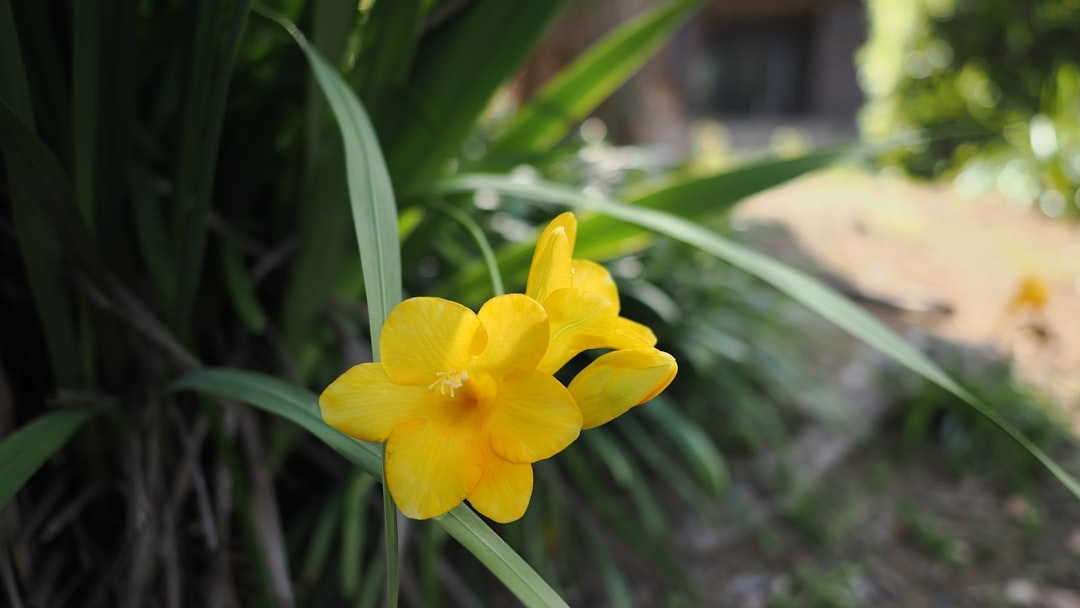
Freesias belong to the iris family (Iridaceae) and are native to the rocky slopes and grasslands of South Africa’s Cape region. They grow from small, pointed corms — often incorrectly called “bulbs” in retail packaging — and produce arching stems that hold 6 to 12 florets arranged in a distinctive one-sided spike. Each floret opens sequentially from the base of the spike upward, which means a single stem can last 7 to 14 days in a vase as buds continue opening.
Modern hybrid freesias come in a spectacular color range: white, cream, yellow, gold, orange, pink, red, lavender, purple, and bicolors. The species form (F. refracta) is predominantly yellow and white with the most intense fragrance. Many commercial double-flowered hybrids, while visually stunning, have been bred at the expense of scent — so if fragrance is your priority, seek out single-flowered varieties like ‘Ballerina’ (white), ‘Yellow River’ (golden yellow), or ‘Oberon’ (deep purple).
Freesias are classified as half-hardy corms. They tolerate light frost but will die back in a hard freeze. In USDA Hardiness Zones 9–11, they can be grown as perennials and will naturalize over time. In Zones 3–8, they’re treated as seasonal annuals or lifted and stored after the foliage dies back.
Choosing the Right Freesia Corms
What to Look For at the Garden Center
Corm quality is the single biggest predictor of bloom success. Larger corms produce more florets per stem and bloom earlier than small ones. When shopping in person, choose corms that are firm to the touch, free of soft spots or mold, and have a pointed growing tip that’s clearly defined. Avoid any corm that feels hollow or papery — these have dried out beyond viability.
Size matters: look for corms with a diameter of at least 1.5 cm (roughly ½ inch). Premium corms sold by specialty bulb suppliers like Colorblends or Brent and Becky’s Bulbs are often graded at 2 cm or larger and will produce noticeably more robust plants. Expect to pay $8–$15 for a bag of 25–50 corms from a big-box retailer, or $15–$25 for 25 premium-grade corms from a specialty grower. The price difference is worth it if you want florist-quality stems.
Single vs. Double Varieties
Single-flowered freesias have one layer of petals per floret. They’re lighter, more elegant on the stem, and — critically — far more fragrant. Double-flowered types have fuller, more rose-like blooms and photograph beautifully, but many have negligible scent. For cutting gardens, singles outperform doubles in vase longevity as well.
Top single-flowered varieties for US home gardens include:
- ‘Ballerina’ — Pure white with a golden throat; one of the most intensely scented freesias available.
- ‘Yellow River’ — Deep butter-yellow; extremely vigorous and reliable in Zones 5–8.
- ‘Blue Heaven’ — Soft lavender-blue; slightly less fragrant but strikingly beautiful.
- ‘Oberon’ — Dark violet-purple; strong scent and excellent stem length of 14–18 inches.
- ‘Stockholm’ — Warm salmon-pink; great heat tolerance, making it a strong choice for Southern gardens.
The Freesia Growing Guide: Regional Planting Strategies
This is where most generic growing guides fall short. Freesia timing and technique vary significantly across the US, and planting on a one-size-fits-all schedule is a reliable path to disappointment.
Northeast and Midwest (Zones 4–6): Pot-Starting Indoors
In Boston, Chicago, Minneapolis, or anywhere that sees soil temperatures drop below 40°F by November, freesias need a head start indoors. Plant corms in 6-inch pots or shallow trays in late September to early October, using a well-draining potting mix. Keep pots in a cool, bright location — a south-facing window works well — where temperatures stay between 50–60°F. This cool period mimics their natural South African growing season and encourages strong root development before the flower spikes emerge.
After danger of frost has passed (typically mid-May in Zone 5), acclimate pots outdoors over 7–10 days before moving them to a permanent outdoor location. Alternatively, plant corms directly in garden beds in late April or early May, accepting that bloom time will be pushed to late June or July. Expect 90–120 days from planting to first bloom when growing in cool northern climates.
Mid-Atlantic and Southeast (Zones 7–9a): Fall Planting for Spring Bloom
From Washington DC through Atlanta and into North Florida, fall planting — October through November — is the sweet spot. Soil temperatures in this range are still warm enough (above 55°F) to encourage root establishment, but cool enough to prevent premature top growth. Corms planted in fall will typically bloom February through April, coinciding with early spring and making them a spectacular companion to tulips and daffodils.
In Zone 8 and 9a areas like coastal Georgia or Central Texas, established corms may overwinter in the ground if mulched with 3–4 inches of straw or shredded leaves. Don’t count on this in Zone 7 without protection during cold snaps below 20°F.
Pacific Coast and California (Zones 9b–11): Year-Round Growing
Southern California, the Bay Area, and coastal Oregon are as close to freesia paradise as it gets in the US. In San Diego and Los Angeles (Zone 10), freesias can be planted virtually year-round, though the classic timing is September through November for January–March bloom. The mild winters mean corms can be left in the ground and will often naturalize, spreading slowly into dense clumps over 3–5 years.
Northern California gardeners in the Central Valley face summer heat extremes that force corms into summer dormancy — which is actually natural and healthy. Allow foliage to die back completely, then resume watering in September to trigger the next growth cycle. Some California growers report naturalizing freesias producing reliably for 8–10 consecutive years without lifting.
Soil Preparation and Planting Depth
Getting the Soil Right
Freesias are unforgiving of waterlogged soil. Root rot is the number one killer of freesia corms, and it’s entirely preventable. The goal is a loose, fast-draining growing medium with a pH between 6.0 and 7.0. In beds, amend heavy clay soils by incorporating 2–3 inches of coarse horticultural grit or perlite along with compost before planting. Raised beds naturally offer better drainage and are strongly recommended for gardeners with dense clay soils.
A simple pre-planting soil test — available through most state cooperative extension services for $15–$25, or with an at-home kit from a garden center — takes the guesswork out of soil pH and nutrient levels. If your pH comes in below 6.0, work in agricultural lime at the rate recommended on your test results, ideally 4–6 weeks before planting.
Planting Depth and Spacing
Plant freesia corms 2 inches deep (measuring from the base of the corm to the soil surface) with the pointed end facing up. Spacing of 3 inches between corms works well in a dense cutting-garden planting; for ornamental borders, 4–6 inches gives each plant room to develop without competition. Planting in clusters of 10–15 corms creates the natural, drift-like appearance that works well in cottage garden designs.
One useful trick: stagger plantings by 2-week intervals over a 6-week period. This succession planting gives you a continuous cutting supply over 4–6 weeks rather than one dramatic burst followed by nothing. Three staggered plantings of 25 corms each will produce far more usable cut stems across a longer window than 75 corms planted all at once.
Watering, Feeding, and Light Requirements
Watering: Less Is More (Until It’s Not)
After planting, water thoroughly once to settle the corms in, then hold back until you see the first green tips emerging — typically 3–4 weeks after planting in cool conditions. Overwatering dormant or newly planted corms invites fungal problems without any benefit, since the corm has no active root system to absorb the moisture yet.
Once growth is underway, water consistently but not excessively. A soil moisture check 2 inches below the surface is the most reliable guide: if the soil feels dry at that depth, it’s time to water. In typical spring conditions, this translates to roughly every 5–7 days in the Northeast and every 3–5 days in drier California or Southwest climates. Reduce watering sharply as foliage begins to yellow and die back at season’s end — this signals the corm is entering dormancy and needs to dry out.
Fertilizing for Maximum Bloom
Freesias are moderate feeders. Overfertilizing with high-nitrogen products produces lush, floppy foliage at the expense of flowers. The ideal approach is a low-nitrogen, phosphorus-rich fertilizer that encourages root and flower development. A granular 5-10-10 or liquid formula like Espoma Bulb-tone (3-5-3) applied at label rate every 3–4 weeks from emergence through bloom is a reliable protocol.
Bone meal is an excellent organic option worked into the soil at planting: 1 tablespoon per planting hole provides a slow-release phosphorus source that feeds root development through the first season. For an eco-friendly fertilizing approach, compost tea applied bi-weekly during the growing season adds both nutrients and beneficial microorganisms without chemical runoff — a meaningful advantage if your freesia bed drains toward a waterway or storm system.
Sunlight: Full Sun, Non-Negotiable
Freesias require a minimum of 6 hours of direct sunlight per day; 8 hours is optimal. Plants grown in partial shade produce weak, elongated stems that flop without support and carry fewer, smaller flowers. In hot-summer climates (USDA Zone 8 and above), afternoon shade can protect late-season blooms from heat damage — but morning sun is essential regardless of region.
Staking and Support
Freesia stems are naturally arching and will lean dramatically as they lengthen, especially in windy locations or when grown in the relative shelter of an indoor pot. Staking is not optional for gardeners wanting straight, display-quality stems. Install thin bamboo stakes (12-inch stakes work well for most varieties) and use soft plant ties or twist ties to support the stem at two points: once at 4–6 inches height and again when the spike begins to form.
For mass plantings in cutting gardens, stretched wire grid supports — the type used for peonies — installed at 8 inches above the soil at planting time are far more efficient than individual staking. As plants grow up through the grid, they’re naturally supported across the entire planting without individual attention.
Common Pests and Problems
Aphids and Thrips
Aphids cluster on soft new growth and flower buds, distorting developing florets and transmitting viral diseases. A sharp spray of water dislodges them effectively when caught early. For heavier infestations, insecticidal soap (such as Safer Brand) applied every 5–7 days for 3 treatments controls aphids without harming beneficial insects, a meaningful consideration for gardeners who value pollinators in their yard.
Thrips — tiny, slender insects that rasp flower petals — are harder to spot but cause characteristic silver streaking on petals. They thrive in hot, dry conditions. Maintaining consistent soil moisture and avoiding overhead watering (which can spread fungal issues) while introducing beneficial predators like lacewing larvae is an integrated pest management approach that reduces thrips populations without chemical inputs.
Fusarium Corm Rot
Fusarium oxysporum is the fungal pathogen responsible for the most serious disease problem in freesias. Infected corms develop brown, sunken lesions at the base, and plants either fail to emerge or collapse shortly after sprouting. Prevention is the only reliable strategy: start with clean, disease-free corms from reputable suppliers, plant in well-draining soil, and never replant freesias in soil that has hosted infected plants for at least 3 years. If you suspect infection, remove and bag affected plant material — never compost it.
Botrytis (Gray Mold)
Cool, humid conditions promote botrytis, which appears as a gray, fuzzy mold on petals and foliage. Adequate plant spacing (no closer than 3 inches) and good air circulation dramatically reduce incidence. Remove any affected plant material immediately. A preventive application of a copper-based fungicide at first sign of humid stretches can arrest early infections.
Cutting Freesias for Bouquets
When and How to Cut
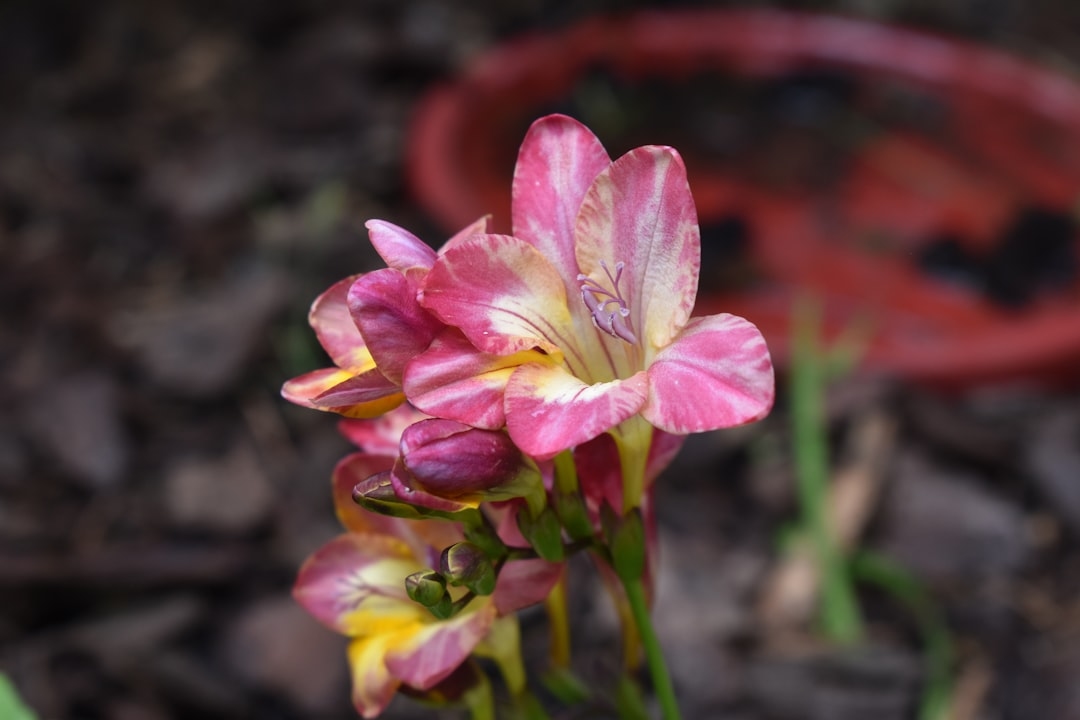
For maximum vase life, cut freesia stems when the first 1–2 florets on the spike are just beginning to open — buds are showing color but the uppermost florets are still closed. Cutting at this stage gives you 10–14 days of vase life as the remaining buds open sequentially. Cutting fully open stems shortens vase life to 5–7 days.
Always cut in the morning after the dew has dried but before midday heat, using clean, sharp scissors or floral snips. Make the cut at a 45-degree angle to maximize water uptake surface area. Immediately place stems in cool water (50–60°F) and move them to a cool, shaded location for at least 2 hours before arranging — this “conditioning” step alone can add 2–3 days of vase life.
Vase Care for Freesias
Freesias are relatively straightforward to keep fresh. Change the water every 2 days and re-cut stems by ½ inch each time. Keep arrangements away from direct sun, heat vents, and ripening fruit — ethylene gas from fruit accelerates petal aging and significantly shortens vase life. Commercial floral preservative packets (the ones that come with grocery store flowers) genuinely work: the biocide kills bacteria, the acidifier lowers water pH for better uptake, and the sugar feeds the remaining buds.
For homegrown arrangements, a DIY preservative of 1 teaspoon sugar, 1 teaspoon white vinegar or lemon juice, and ½ teaspoon bleach per quart of water closely approximates commercial packets at a fraction of the cost.
Designing with Freesias
Freesia stems are naturally light and airy, making them excellent as filler flowers in mixed arrangements. They combine beautifully with ranunculus, sweet peas, anemones, and tulips for a classic spring palette. For a monochromatic statement, a mass of single-color freesia stems — say, 30 stems of ‘Ballerina’ white in a clear glass cylinder — is quietly spectacular and allows the fragrance to be the star.
One design consideration worth knowing: freesias bend toward light. Rotate arrangements regularly if you want stems to remain upright, or embrace the gentle curve as an organic design element.
Lifting, Storing, and Dividing Corms
When to Lift
In Zones 8 and below, corms need to be lifted after the foliage yellows and dies back completely — typically 6–8 weeks after peak bloom. Do not rush this process. The post-bloom period is when the plant is replenishing the corm’s energy reserves for next season, and cutting back green foliage prematurely reduces next year’s bloom quality. Once foliage is fully yellow and papery, use a garden fork to carefully loosen the soil and lift the corm clump.
Curing and Storage
Spread lifted corms on a mesh tray or old window screen in a dry, ventilated space (a garage or shed works well) for 2–3 weeks. This curing period hardens the outer skin and reduces moisture that would promote rot in storage. Once cured, gently remove any remaining soil, peel off loose papery husks, and separate offset cormlets from the mother corm — these small offsets will bloom in their second year.
Store cured corms in mesh bags, paper bags, or old pantyhose at 55–65°F with low humidity. A basement shelf or the back of a closet is ideal. Do not store in plastic bags, which trap moisture and create conditions for rot. Label clearly by variety — you’ll thank yourself in September. Stored correctly, corms remain viable for 12 months, with premium-quality corms lasting up to 18 months.
Naturalizing in Mild Climates
In Zones 9–11, freesias are perennial and will naturalize without intervention. Over 3–5 years, a single corm planted in ideal conditions can multiply into a clump of 20–30 corms, producing an increasingly spectacular annual display. Division every 3–4 years prevents overcrowding and maintains bloom quality. The sustainable dividend of this approach is significant: an initial $20 investment in corms can supply cutting material for a decade or more with no annual re-purchase.
Growing Freesias Sustainably
The conventional cut flower industry has a substantial environmental footprint — roughly 80% of cut flowers sold in the US are imported, primarily from Colombia and Ecuador, with significant carbon costs from air freight and cold chain logistics. Growing your own freesias, even in modest quantities, is a meaningful act of supply-chain localization.
Beyond the growing-your-own angle, there are specific practices that make a freesia garden more ecologically sound. Choosing organic or slow-release fertilizers over synthetic high-nitrogen products reduces nitrogen runoff into storm systems. Mulching beds with 2–3 inches of wood chip or straw (not dyed mulch) conserves soil moisture, reducing watering frequency by as much as 40% in summer — a material saving in drought-stressed regions like California, Colorado, or Texas where water restrictions increasingly affect home garden practices.
Freesias are also pollinator-friendly. Their open, accessible floret shape attracts bumblebees, honeybees, and hoverflies. Avoiding broad-spectrum insecticides during bloom protects these visitors. If aphid pressure is high during bloom, tolerance is often the most ecologically rational response — a moderate aphid population rarely affects cut flower quality if harvesting is done promptly.
Freesias Indoors: Growing in Containers
Container growing opens freesia cultivation to gardeners with no outdoor space and extends the season for those who do. Plant 6–8 corms in a 6-inch pot or 12–15 corms in a 10-inch pot, using a well-draining mix of 2 parts potting soil to 1 part perlite. A pot that is too large relative to the number of corms will retain excess moisture and increase rot risk — size down rather than up.
Indoor freesias require the coolest, brightest spot available during their growth phase. A south or west-facing window with supplemental grow light support (12–14 hours of combined natural and artificial light per day) produces strong, bloom-ready plants in approximately 90 days from planting. Keep indoor temperatures between 60–65°F during the growth phase — warmer conditions accelerate growth but shorten stem length and reduce fragrance intensity.
One practical note for apartment gardeners: freesia fragrance is intense in an enclosed space. A 10-inch pot in full bloom will perfume a 400 square foot apartment powerfully. This is either a delight or an overwhelming sensory experience, depending on personal preference. Starting with 6–8 corms rather than a full pot is a sensible first trial.
Troubleshooting Common Freesia Problems
Corms Planted but No Growth After 6 Weeks
Check soil temperature first — if it’s consistently below 50°F at planting depth, corms will stall. Also verify planting depth and orientation. Corms planted upside-down (pointy end down) will still emerge, but will take 1–2 additional weeks and produce weaker initial growth. Finally, if corms were purchased from a questionable source and feel light or soft, they may have been non-viable from the start.
Stems Flopping Over
Almost always a combination of insufficient light and lack of staking. Plants receiving less than 6 hours of direct sun will produce elongated, weak stems regardless of other inputs. Increase light exposure and install support before stems begin leaning — correcting a flopped stem after the fact usually results in a permanent kink.
Blooms Are Smaller Than Expected
Small corm size at planting is the most common cause. Corms smaller than 1.5 cm will produce plants with fewer florets per spike and shorter overall stem length. Older, stored corms that have dehydrated even partially will also bloom poorly. If you’re working from stored corms and bloom quality has declined over 2–3 seasons, purchasing fresh premium corms resets the baseline.
No Fragrance
Double-flowered hybrid varieties are frequently bred for appearance at the cost of fragrance. Check variety descriptions before purchasing if scent is a priority. Temperature also affects fragrance intensity — freesias release volatile compounds most actively at temperatures between 60–70°F. Blooms kept in very warm rooms (above 75°F) lose fragrance more quickly.
Freesia FAQ
How deep do you plant freesia corms?
Plant freesia corms 2 inches deep, with the pointed end facing up. Space corms 3–4 inches apart for cutting gardens or 4–6 inches apart in ornamental borders. Deeper planting than 2 inches can delay emergence and reduce bloom quality.
Can freesias survive winter in the ground?
In USDA Zones 9–11, freesias can remain in the ground year-round and will naturalize. In Zones 7–8, they may overwinter with 3–4 inches of mulch protection, but reliable survival is not guaranteed below 20°F. In Zones 6 and below, lift corms after foliage dies back in fall and store them indoors at 55–65°F until replanting the following season.
How long do freesias take to bloom?
Freesias typically bloom 90–120 days after planting, depending on temperature and growing conditions. Warmer soil temperatures (65–70°F) at planting speed development. Corms started indoors in cool conditions (55–60°F) may take the full 120 days but produce stronger plants and more florets per stem.
What is the best freesia variety for fragrance?
Single-flowered varieties are consistently more fragrant than double-flowered hybrids. ‘Ballerina’ (white), ‘Yellow River’ (yellow), and the original species Freesia refracta alba are considered among the most intensely scented. Avoid double varieties labeled ‘Double Fantasy’ or similar unless fragrance is secondary to flower form.
Why are my freesia stems short and weak?
Short, weak stems are most often caused by insufficient sunlight (less than 6 hours daily), high temperatures during the growing phase (above 75°F consistently), or small corm size. Freesias grown in cool temperatures between 55–65°F produce the longest, sturdiest stems. Providing staking early — before leaning begins — also keeps stems oriented correctly as they develop.
Building Your Freesia Cutting Garden: A Starting Plan
For gardeners ready to move beyond a handful of corms scattered through a mixed border, a dedicated cutting garden section transforms freesia growing from occasional hobby to reliable supply chain for the home. Here’s a practical starting configuration.
A 4×8-foot raised bed planted with 150 corms in three succession rounds of 50 (planted 2 weeks apart) will produce approximately 120–140 usable cut stems across a 6-week window. At a conservative value of $1.50 per stem (the low end of what you’d pay for freesias at a farmers’ market), that’s $180–$210 worth of flowers from an investment of approximately $30–$40 in corms and modest soil amendment costs. In the second year, if corms are properly stored and replanted, the corm investment drops to near zero.
Pair your freesias with ranunculus corms and sweet pea seeds in the same bed for a complete spring cutting garden that provides varied stem types — focal flowers (ranunculus), fragrant accent stems (freesias), and tendrilling fillers (sweet peas) — across a shared growing season and similar cultural requirements. All three thrive in cool temperatures, well-draining soil, and full sun, which makes bed management straightforward.
Tracking bloom dates, corm sources, and variety performance in a simple garden journal — even a notes app on your phone — builds the kind of institutional knowledge that separates a reliably productive cutting garden from a hit-or-miss hobby. After two seasons of data, you’ll know exactly which varieties bloom earliest in your specific microclimate, which stores best, and which is worth doubling your order on next year.