Contents:
- Understanding Azaleas: Species, Types, and What Sets Them Apart
- Evergreen Azaleas
- Deciduous Azaleas
- A Note on Azalea Sizing
- Soil Preparation: The Non-Negotiable Foundation of Your Azalea Care Guide
- How to Test and Adjust Your Soil pH
- Drainage Is as Critical as pH
- Planting Azaleas: Timing, Technique, and Spacing
- When to Plant
- How to Plant Correctly
- Mulching: The Underrated Step
- Spacing Guidelines
- Sunlight and Siting: Finding the Right Location
- Wind Protection
- Watering: How Much, How Often, and How to Tell
- Fertilizing Azaleas: Timing and Product Selection
- When to Fertilize
- What to Use
- Pruning Azaleas: Timing Is Everything
- The Bloom-Bud Calendar
- How to Prune
- Deadheading
- Color Selection: Choosing Azaleas for Your Landscape Goals
- The Color Spectrum Available
- Sequencing Bloom Times
- A Reader’s Story: The Neighborhood That Gets It Right
- Color Combinations That Work
- Cold Hardiness: Matching Variety to Zone
- Common Pests and Diseases: Recognition and Response
- Lace Bugs
- Root Rot (Phytophthora cinnamomi)
- Powdery Mildew
- Azalea Caterpillar
- Azaleas in Containers: Growing Successfully in Pots
- Eco-Friendly and Sustainable Azalea Gardening
- Buying Azaleas: What to Look For and What to Avoid
- Practical Tips: Troubleshooting the Most Common Azalea Problems
- FAQ: Azalea Care Questions Answered for Featured Results
- When is the best time to prune azaleas?
- What soil pH do azaleas need?
- How often should I water newly planted azaleas?
- Why are my azalea leaves turning yellow?
- What are the best azaleas for cold climates (Zones 4–5)?
- Building a Long-Term Azalea Collection
- Planting depth: Set the root ball so the top sits 1–2 inches above soil grade
- Soil pH: 4.5–6.0 (acidic); amend with sulfur or peat moss if needed
- Sun: Dappled shade to morning sun; avoid harsh afternoon exposure
- Pruning window: Within 3 weeks after blooms fade — never in fall
- Hardiness: Zones 4–9 depending on variety (Encore® and Robin Hill series push Zone 4)
- Fertilizer: Acid-forming fertilizer once in early spring, once after bloom — skip fall feeding
This azalea care guide exists because one of America’s most beloved flowering shrubs is also one of the most mismanaged. Azaleas are planted in the wrong soil, pruned at the wrong time, and chosen for the wrong climate — and then blamed for being “difficult.” They’re not difficult. They’re specific. Understand their preferences, and they reward you with explosions of color that can last three weeks in spring and, with the right cultivars, recur through fall.
Here’s the fact most gardeners don’t know: there are over 10,000 named azalea cultivars worldwide. The plant sitting in a nursery flat labeled simply “pink azalea” could be a compact 2-foot mounding variety suited to a container, or a sprawling 8-foot species that will consume your foundation planting in five years. The variety you choose determines almost everything — bloom time, cold hardiness, sun tolerance, and ultimate size. Getting that selection right is where this guide starts.
Understanding Azaleas: Species, Types, and What Sets Them Apart
Azaleas belong to the genus Rhododendron — a fact that surprises many gardeners. Botanically, azaleas are simply rhododendrons with specific flower and leaf characteristics: typically funnel-shaped blooms, mostly five stamens (rhododendrons have ten or more), and leaves that tend to be smaller and thinner. The distinction matters practically because azaleas and rhododendrons share the same soil, light, and pH requirements, meaning your azalea care routine and your rhododendron care routine can largely overlap.
For American gardeners, azaleas split into two primary categories:
Evergreen Azaleas
These hold their leaves through winter, though older foliage may drop in spring as new growth emerges. They dominate the Southern garden tradition — the Kurume, Satsuki, and Glenn Dale hybrids that paint Georgia and the Carolinas pink and white every March. Encore® Azaleas, a patented series developed in Louisiana, fall into this category and have transformed how gardeners in Zones 6–9 think about bloom season, offering a spring flush, a smaller summer repeat, and a substantial fall bloom.
Deciduous Azaleas
Often called “native azaleas” or “wild azaleas,” these drop their leaves in fall and are generally more cold-hardy than their evergreen cousins. The Flame Azalea (Rhododendron calendulaceum), native to Appalachia, thrives in Zone 4 and produces orange-red blooms that look almost tropical. The Exbury and Knap Hill hybrids — developed in England but widely available in the US — bring yellow, gold, and apricot tones that evergreen types rarely achieve. Deciduous azaleas also tolerate more sun and slightly less acidic soil, making them more adaptable for gardeners outside the Southeast.
A Note on Azalea Sizing
Mature size varies enormously. Dwarf varieties like ‘Hino Crimson’ top out around 3 feet. Mid-size types like most Encore® cultivars reach 3–5 feet. Species like R. arborescens (Sweet Azalea) can hit 10–20 feet in ideal conditions. Always check the mature dimensions on the tag — not just the height, but the spread. A shrub listed as “4 feet tall, 5 feet wide” needs 2.5 feet of clearance from a walkway on each side.
Soil Preparation: The Non-Negotiable Foundation of Your Azalea Care Guide
More azaleas die from wrong soil than from any pest, disease, or winter cold. The issue is almost always pH. Azaleas require a soil pH between 4.5 and 6.0 — genuinely acidic conditions that most American garden soils don’t naturally provide, especially in the Midwest, Great Plains, and alkaline pockets of the West. At a pH above 6.5, azaleas cannot absorb iron and manganese even when those nutrients are present in the soil. The result is chlorosis: leaves turn yellow between the veins while the veins stay green. The plant looks sick because, chemically, it is.
How to Test and Adjust Your Soil pH
Before planting, test your soil. A basic digital pH meter costs $15–25 and gives reliable readings. Your local Cooperative Extension office often provides soil testing for $15–20 and returns detailed amendment recommendations — far more comprehensive than a meter alone. Take samples from 4–6 inches deep at multiple points in your planting area and average the results.
To lower pH by approximately one full unit in clay or loam soil, work in roughly 1 pound of elemental sulfur per 10 square feet. In sandy soil, use about half that rate. Sulfur works slowly — allow 2–3 months for full effect, which means testing and amending in fall before a spring planting is the ideal timeline. For faster results, acidified peat moss mixed into the planting hole provides immediate buffering. Agricultural sulfur is inexpensive (typically $8–12 for a 5-pound bag) and widely available at garden centers.
For gardeners with highly alkaline soil (pH above 7.0), raised beds filled with a custom mix are often more practical than endless amendment. A blend of 50% quality topsoil, 30% aged pine bark fines, and 20% sphagnum peat moss creates the loose, acidic, well-drained medium azaleas thrive in — and side-steps years of battling native soil chemistry.
Drainage Is as Critical as pH
Azaleas have shallow, fibrous root systems that sit in the top 12 inches of soil. Standing water for even 24–48 hours after rain can trigger Phytophthora root rot, a fungal disease that kills roots faster than the plant can compensate. Before planting, dig a hole 12 inches deep, fill it with water, and time how long it takes to drain. It should empty within one hour. If it takes longer, either amend with coarse material (pine bark, perlite) to improve structure, or build a raised bed.
Planting Azaleas: Timing, Technique, and Spacing
When to Plant
Fall planting — September through early November in most of the US — gives azaleas the best start. Cooler temperatures reduce transplant stress, and roots continue growing through mild fall and winter soil, establishing before summer heat arrives. Spring planting works well too, but demands more consistent watering through the first summer. Avoid planting in July and August in the Southeast and mid-Atlantic; heat stress combined with root disturbance creates conditions for decline.
How to Plant Correctly
Dig a hole two to three times wider than the root ball but only as deep as the root ball is tall. This is critical: azaleas planted too deep suffocate. The top of the root ball should sit 1–2 inches above the surrounding soil grade. Backfill with a mix of native soil and organic matter — a ratio of 2:1 native soil to compost or pine bark fines works well. Avoid filling with pure compost or peat; it creates a “bathtub effect” where the amended soil drains differently from the surrounding native soil and water pools around the roots.
After planting, build a shallow water-retention ring with excess soil 3–4 inches high around the outer edge of the planting hole. Fill this basin slowly two to three times to ensure water reaches the full root zone rather than running off. Then mulch generously.
Mulching: The Underrated Step
Apply 2–3 inches of organic mulch — pine bark nuggets, pine straw, or shredded hardwood — over the root zone, keeping it 2–3 inches away from the stem. Mulch serves four functions simultaneously: it conserves moisture, moderates soil temperature, suppresses weeds, and slowly acidifies the soil as it decomposes. Pine straw is particularly effective for pH management; it breaks down to release organic acids that keep the root zone within the ideal range. Replenish mulch annually in spring.
Spacing Guidelines
Resist the urge to space azaleas for immediate impact. A dwarf variety maturing to 3 feet wide should be planted 3 feet on center from its neighbors. Mid-size types (5 feet wide at maturity) need 4–5 feet of spacing. Crowded azaleas suffer from poor air circulation, which encourages powdery mildew and petal blight. They also compete for water and nutrients in the shallow root zone. The planted bed will look sparse for two to three years and then, suddenly, perfect.
Sunlight and Siting: Finding the Right Location
The idealized azalea habitat is the edge of a woodland — filtered light, humus-rich soil, and protection from drying winds. That context explains their preferences perfectly. Most evergreen azaleas perform best with morning sun and afternoon shade, or consistent dappled light throughout the day. Four to six hours of direct morning sun produces the most abundant flowering while protecting foliage from bleaching and scorch.
Deep shade (less than 3 hours of direct light) produces leggy, open plants with reduced flowering. Hot afternoon sun in Zones 7–9 bleaches flower color, stresses foliage, and increases water demands dramatically. The north or east side of a house, or beneath tall deciduous trees with high canopies, are typically ideal placements.
Deciduous azaleas are notably more sun-tolerant. Native species like the Pinxterbloom (R. periclymenoides) and Swamp Azalea (R. viscosum) grow in open clearings and forest edges with significant sun exposure. Exbury hybrids in northern climates (Zones 4–6) often benefit from full sun positions that would destroy a Kurume hybrid in Georgia.
Wind Protection
Winter winds desiccate evergreen azalea foliage faster than roots can replenish moisture from frozen soil. In Zone 5–6, siting evergreen azaleas on the sheltered north or east side of a building, fence, or windbreak planting significantly improves winter survival. For container azaleas overwintered outdoors, moving pots against a south-facing wall provides 5–10°F of additional thermal protection — often the difference between survival and tip dieback.
Watering: How Much, How Often, and How to Tell
Newly planted azaleas need consistent moisture for their entire first growing season. Plan on 1 inch of water per week from rain or irrigation, delivered slowly to penetrate the full root zone. A soaker hose set for 45–60 minutes provides deep watering without wetting foliage, which reduces disease risk. Established azaleas (3+ years in the ground) are considerably more drought-tolerant but will drop flower buds in August drought stress — which means next spring’s bloom suffers even if the plant looks fine.
The most reliable indicator of water need is soil moisture at 3–4 inches deep. Push a finger or a wooden chopstick into the mulch and soil; if it comes out dry and clean, water thoroughly. If it comes out with soil clinging to it, wait. Overwatering is as damaging as underwatering for azaleas, and more common in conscientious gardeners who water on a schedule rather than based on observation.
Fertilizing Azaleas: Timing and Product Selection
Azaleas are light feeders. Overfertilizing — especially with high-nitrogen products — produces lush vegetative growth at the expense of flowering and increases susceptibility to fungal issues. A disciplined, minimal approach outperforms enthusiasm here.
When to Fertilize
Apply fertilizer twice per year: once in early spring as buds begin to swell (typically late February in Zone 7, late March in Zone 6), and once in early summer after bloom finishes (June). Do not fertilize after July 4th in most of the country. Late fertilization stimulates new growth that won’t harden before frost, increasing winter damage.
What to Use
Choose a fertilizer formulated specifically for acid-loving plants — products like Espoma Holly-tone ($18–22 for 8 lbs), Mir-Acid, or any formulation labeled for azaleas and rhododendrons. These contain acidifying nitrogen sources (ammonium sulfate or urea) rather than the nitrate nitrogen found in general-purpose fertilizers, which can raise soil pH. Apply at the rate specified on the label — more is not better. For established shrubs in mulched beds with reasonable soil organic matter, a single spring application is often sufficient.
Azaleas growing in containers need more frequent feeding because nutrients leach through the drainage holes with every watering. Use a slow-release granular formulation in spring, then supplement with a liquid acid fertilizer at half-strength every 4–6 weeks through July.
Pruning Azaleas: Timing Is Everything
Pruning at the wrong time is the single most common reason azaleas fail to bloom. It’s a timing problem, not a technique problem, and it’s easy to avoid once you understand the plant’s annual cycle.
The Bloom-Bud Calendar
Azaleas set the flower buds for next spring’s bloom in mid-to-late summer — typically July through August for most evergreen types. Any pruning done after those buds form removes next year’s flowers. Prune in September thinking you’re tidying up the plant, and you’ll have a beautifully shaped shrub with no spring display. The rule is unambiguous: prune within three weeks after blooms fade. For most spring-blooming evergreen azaleas, that window falls in April or May depending on your zone.
How to Prune
For light shaping, hand pruners are sufficient. Make cuts just above a leaf node or branching point. For rejuvenation of an overgrown or leggy plant, azaleas tolerate hard pruning — cutting back to 12–18 inches from the ground — far better than most flowering shrubs. Leggy older specimens that have been neglected for a decade can be renewed this way. Expect a bloom-free season after hard pruning as the plant rebuilds its canopy and sets new buds, but by year two or three, you’ll have a full, well-structured shrub again.
Avoid shearing azaleas with hedge clippers into tight geometric balls — a common landscaping practice that reduces flowering, promotes dense outer growth that shades interior branches, and ultimately produces a plant that looks artificial and blooms only on its outermost layer. Hand-pruning individual branches to maintain a natural, layered appearance takes more time but produces a healthier and more attractive plant.
Deadheading
Unlike roses or annuals, azaleas don’t require deadheading to continue flowering within a season. Spent blooms on spring azaleas are simply left to fall or can be gently brushed off. The primary reason to remove spent blooms is aesthetic and to prevent petal blight — a fungal disease (Ovulinia azaleae) that causes flowers to turn brown and mushy, with infected petals falling and spreading spores to the soil. If petal blight is a recurring issue in your garden, remove and dispose of spent flowers promptly rather than leaving them to decompose in the mulch.
Color Selection: Choosing Azaleas for Your Landscape Goals
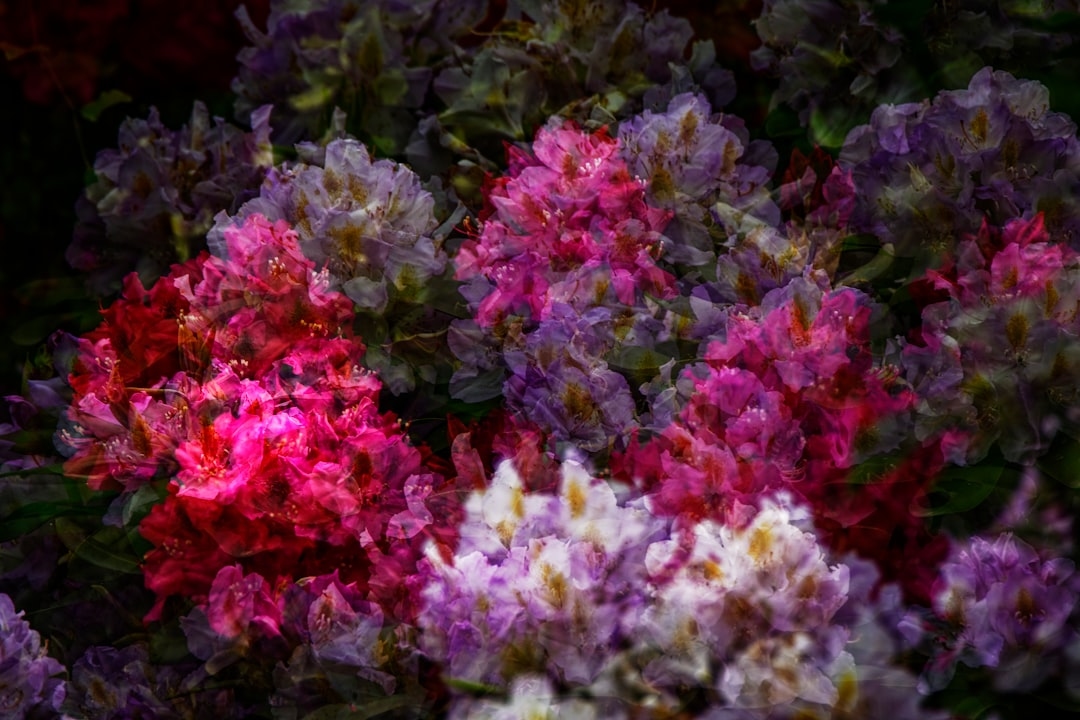
Color is where the fun begins — and where gardeners most often make choices they later regret. Selecting azaleas for color alone, without considering bloom time and mature size, produces landscapes where everything explodes simultaneously for two weeks and then offers nothing for the next eleven months. A more strategic approach sequences bloom times and layers heights for a display that evolves through the season.
The Color Spectrum Available
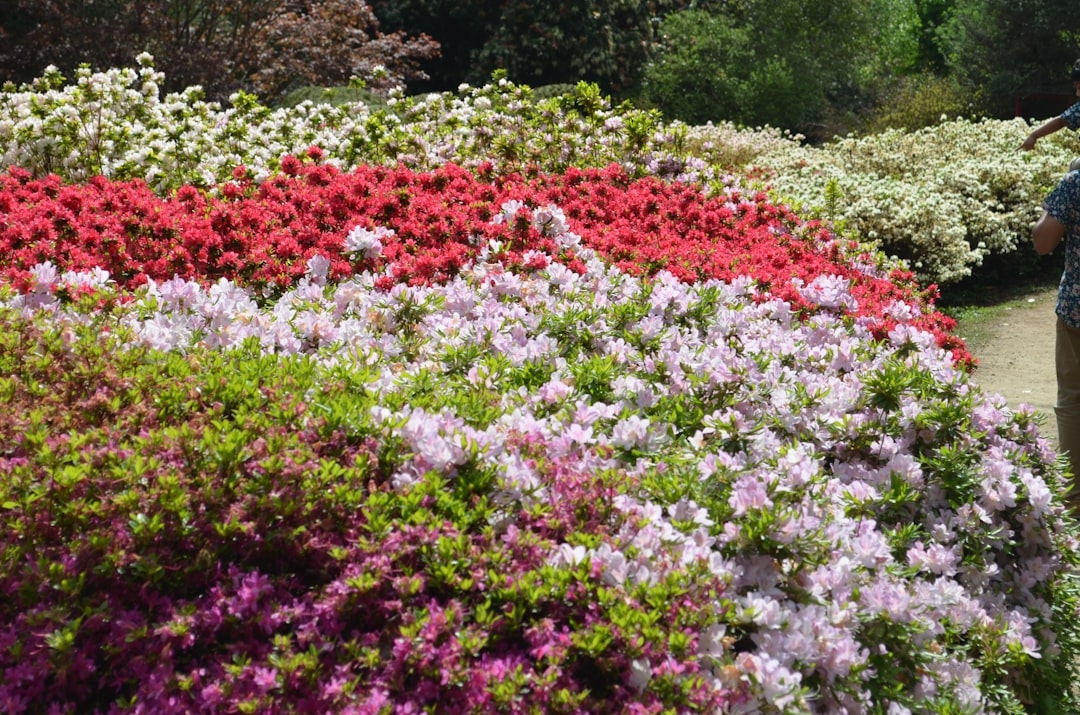
Azaleas deliver whites, creams, pinks (from barely-there blush to hot magenta), reds, oranges, purples, and bicolors with picotee edges or contrasting blotches. True yellow is nearly exclusive to deciduous types, particularly Exbury hybrids like ‘Gibraltar’ (orange-flame), ‘Klondyke’ (deep gold), and ‘Sun Chariot’ (canary yellow). If yellow or gold tones are a priority, plan around deciduous azaleas — no evergreen cultivar replicates them.
Sequencing Bloom Times
Early-blooming evergreen azaleas (late March–April in Zone 7): ‘Christmas Cheer’, ‘Coral Bells’, most Kurume hybrids.
Mid-season (April–May): Glenn Dale hybrids, most Southern Indica types, Exbury deciduous.
Late-season (May–June): Satsuki hybrids like ‘Gumpo White’ and ‘Gumpo Pink’, which extend the display into early summer.
Repeat-blooming (spring + fall): Encore® series — over 30 cultivars available in shades from white to deep purple.
Planting a combination of early, mid, and late-blooming varieties on the same property extends continuous azalea color from late March through June — a 10-to-12-week display rather than two weeks. Add Encore® Azaleas and fall color returns in September and October.
A Reader’s Story: The Neighborhood That Gets It Right
A gardener in Chapel Hill, North Carolina, spent several years frustrated that her azalea bed peaked brilliantly for ten days in April and then became a wall of plain green for the rest of the year. On a neighbor’s recommendation, she removed four identical mid-pink Kurumes and replaced them with a staggered combination: two early-blooming white ‘Delaware Valley White’ azaleas, one late-season Satsuki ‘Gumpo Pink’, and one Encore® ‘Autumn Ember’ for fall rebloom. The result, she described, was “like the bed woke up and started having a conversation instead of just shouting once.” The total plant cost was under $120. The lesson — diversify bloom times before diversifying colors — is one that transforms how a planting feels across a full season.
Color Combinations That Work
White azaleas are the great peacemakers of the spring garden. Planted between hot-pink and orange varieties that would otherwise clash violently, white cultivars like ‘Delaware Valley White’ or Encore® ‘Autumn Angel’ create visual breathing room. Purple-toned azaleas (try ‘Girard’s Purple’ or Encore® ‘Autumn Amethyst’) pair exceptionally well with yellow-foliaged companion plants like ‘Gold Mound’ spirea or golden Japanese forest grass (Hakonechloa macra ‘Aureola’). Avoid planting red azaleas directly adjacent to orange ones — the combination reads as a mistake rather than a design choice.
Cold Hardiness: Matching Variety to Zone
Zone selection is non-negotiable. An azalea listed as hardy to Zone 7 will die to the ground — or die entirely — in a Zone 5 winter. The disappointment is predictable and preventable.
For gardeners in Zones 4–5, the deciduous native azaleas and their hybrids are the most reliable choices. The Northern Lights series, developed at the University of Minnesota specifically for cold climates, survives temperatures down to -30°F. ‘Rosy Lights’, ‘White Lights’, and ‘Lemon Lights’ offer fragrance and cold performance that no evergreen type can match in those zones. The Robin Hill series of semi-evergreen azaleas, bred in New Jersey, extends evergreen performance into Zone 5b in protected sites.
In Zones 6–9, the selection opens dramatically. Encore® Azaleas are rated to Zone 6 (with some performing in Zone 5b in sheltered spots), giving repeat-bloom capability to gardeners who previously couldn’t access it. In Zone 9 and warmer parts of Zone 8, Indica azaleas — including the spectacular ‘George Lindley Taber’ with its white-and-lavender bicolor flowers — dominate the landscape trade.
Common Pests and Diseases: Recognition and Response
Lace Bugs
The most common azalea pest in the eastern US. Azalea lace bugs (Stephanitis pyrioides) feed on leaf undersides, creating a stippled, silver-gray bleaching on upper leaf surfaces. Look for dark, varnish-like droppings on the leaf undersides. A single generation overwinters as eggs attached to leaves; three to four generations per year can devastate foliage. Azaleas in full sun experience significantly higher lace bug pressure than those in shade — another reason proper siting matters. Control options range from insecticidal soap (two to three applications, 5–7 days apart) for light infestations, to systemic imidacloprid soil drenches for severe cases. For an eco-conscious approach, encouraging natural predators like lacewing larvae and minute pirate bugs by avoiding broad-spectrum pesticides provides season-long biological suppression.
Root Rot (Phytophthora cinnamomi)
This water mold kills azaleas from the roots up. Early symptoms include wilting that doesn’t respond to watering, yellowing foliage, and dieback of individual branches. There is no effective cure once root rot is established — the focus must be prevention through proper drainage and avoiding overwatering. If you lose a plant to root rot, do not immediately replant azaleas in the same spot without improving drainage first.
Powdery Mildew
A white, powdery coating on young leaves and shoots in late spring and fall. More disfiguring than fatal, powdery mildew thrives in humid conditions with poor air circulation — exactly what overcrowded plantings create. Proper spacing is the primary prevention strategy. For treatment, neem oil or potassium bicarbonate sprays applied at first sign of infection are effective and low-toxicity options.
Azalea Caterpillar
The larva of the moth Datana major feeds in large gregarious groups and can strip an azalea of its foliage within days. The caterpillars are distinctive — black with yellow stripes — and feed together, making them easy to spot and hand-remove into soapy water before population levels require insecticide intervention. Check your plants in August and September, when feeding is most intense.
Azaleas in Containers: Growing Successfully in Pots
Container culture opens azalea growing to gardeners with no in-ground space and allows gardeners in marginal zones to grow tender varieties that would die in the ground. Success depends on matching container size to plant size, using the right growing medium, and managing water and fertilizer more attentively than you would with in-ground plants.
Choose a container at least 2–3 inches wider in diameter than the root ball, with abundant drainage holes. A 3-gallon plant belongs in a 10–12-inch pot initially, moving to a 14–16-inch pot as it matures. Terra cotta pots, while beautiful, dry out rapidly and require daily watering in summer heat — a glazed ceramic or resin pot retains moisture more consistently. Use a potting mix formulated for acid-loving plants, or blend standard potting mix with 25–30% perlite and a generous handful of acidic sphagnum peat.
Container azaleas need more frequent fertilizing and more careful monitoring for soil pH drift. Tap water in many US cities is alkaline (pH 7.5–8.5), and regular watering with it gradually raises container soil pH over a growing season. Testing container soil pH every 8–10 weeks, and correcting with a dilute acidifier when needed, prevents the nutrient lockout that produces yellow, struggling plants.
Eco-Friendly and Sustainable Azalea Gardening
Azaleas fit naturally into low-input, ecologically minded garden practices — when chosen and sited correctly. A well-established, appropriately sited azalea requires no pesticides, minimal water beyond natural rainfall, and only light annual fertilization. That profile makes them one of the lower-maintenance flowering shrubs in the landscape once the first one to two years of establishment are behind you.
For pollinator value, native deciduous azaleas are exceptional. The tubular flowers of R. viscosum, R. arborescens, and their hybrids are specifically adapted to long-tongued bees and butterflies, including several specialist native bee species. Planting native azalea species supports local pollinator populations in ways that exotic cultivars — especially double-flowered forms with reduced nectar access — cannot replicate.
Choosing compost and pine bark mulch over synthetic mulch films supports soil biology and reduces plastic waste in the garden. The organic matter improves soil structure over years, feeding the microbial communities that help azalea roots access nutrients naturally. If you’re fertilizing with organic slow-release products rather than synthetic quick-release granules, you’re also reducing the risk of fertilizer runoff into storm drains and local waterways — a real concern in dense residential areas where azazales are often planted close to impervious surfaces.
Finally, consider water harvesting. Azaleas planted beneath roof overhangs can be served partially by a rain barrel system — soft, slightly acidic rainwater is actually preferable to municipal tap water for acid-loving plants, making this both an eco-friendly and horticulturally sound practice.
Buying Azaleas: What to Look For and What to Avoid
The best time to buy azaleas is during bloom, for the obvious reason that you know exactly what color and flower form you’re getting. The second-best time is fall, when root systems are stronger and plants establish more readily. Buying from a reputable local nursery over a big-box store is worth the price premium — typically $18–35 for a 1-gallon container versus $10–15 at a home improvement store — because local nurseries stock regionally appropriate varieties and their plants are generally grown under better conditions.
Inspect plants carefully before purchasing. Avoid any azalea with:
- Circling or kinked roots emerging from drainage holes (root-bound plants establish poorly)
- Yellowing foliage with green veins (classic chlorosis from pH problems or poor nursery care)
- Stippled, silver-gray foliage (lace bug damage)
- White powdery coating on leaves (powdery mildew)
- Bare or sparse interior branching (the plant has been in its container too long)
A compact, well-branched plant with glossy foliage and firm buds, even if smaller than its neighbors on the bench, will establish and perform better than a large but stressed plant.
Practical Tips: Troubleshooting the Most Common Azalea Problems
- No blooms despite healthy appearance: Pruned too late (after bud set in July–August), or sited in too much shade, or root zone too wet. Check pruning timing first.
- Yellow leaves with green veins: Soil pH too high. Test immediately and amend with sulfur or use an acidifying fertilizer as a short-term fix.
- Leaves dropping in fall: Normal for deciduous types. For evergreen types, some interior leaf drop in spring is also normal. Fall leaf drop on evergreen azaleas combined with dieback suggests root rot — probe soil and drainage.
- Sparse bloom on one side only: Insufficient light on the shaded side. Gradually increase sun exposure over two to three seasons, or accept asymmetry and use it as a design feature.
- Overgrown plant blocking a window: Hard prune in spring immediately after bloom, cutting back to the desired height and accepting one bloom-free year as the recovery cost. Avoid shearing to maintain size year after year — it creates a plant with no interior structure.
- Plant wilting in morning despite moist soil: This is the signature symptom of Phytophthora root rot. Dig carefully around the root zone and inspect roots — healthy azalea roots are white and firm; rotted roots are brown, soft, and smell musty.
FAQ: Azalea Care Questions Answered for Featured Results
When is the best time to prune azaleas?
Prune azaleas within three weeks after they finish blooming in spring — typically late April through May for most zones. Azaleas set their flower buds for the following year in mid-to-late summer. Any pruning after July removes those developing buds and eliminates next spring’s bloom. Never prune azaleas in fall or winter.
What soil pH do azaleas need?
Azaleas require acidic soil with a pH between 4.5 and 6.0. Above pH 6.5, they cannot absorb iron and manganese, resulting in yellowing leaves with green veins (chlorosis). Test soil before planting and amend with elemental sulfur to lower pH if necessary. Retest annually, as pH tends to drift upward over time, especially in areas with alkaline irrigation water.
How often should I water newly planted azaleas?
Water newly planted azaleas deeply once or twice per week for the first growing season, providing approximately 1 inch of water per week total from rain and irrigation. Check soil moisture at 3–4 inches deep before watering — the soil should feel dry to the touch at that depth before you water again. Consistent moisture without waterlogging is the goal throughout the establishment period.
Why are my azalea leaves turning yellow?
Yellow leaves with green veins on azaleas indicate iron chlorosis caused by high soil pH — typically above 6.5. The fix is to lower soil pH using elemental sulfur or an acidifying fertilizer. If all leaves are yellowing uniformly, the cause may be overwatering or root rot. Test soil pH first; if it’s in the correct range (4.5–6.0), investigate drainage and root health.
What are the best azaleas for cold climates (Zones 4–5)?
For Zones 4–5, choose deciduous azalea varieties bred for cold hardiness. The Northern Lights series developed by the University of Minnesota — including ‘Rosy Lights’, ‘White Lights’, and ‘Lemon Lights’ — survives temperatures to -30°F. The Robin Hill semi-evergreen hybrids perform in Zone 5b with site protection. Avoid evergreen Kurume, Satsuki, and Southern Indica hybrids in these zones — they are rated only to Zone 6 or warmer.
Building a Long-Term Azalea Collection
The most satisfying azalea gardens don’t happen in a single planting season. They’re built over years — a variety added here, a gap filled there, a problematic specimen replaced with something better suited. As your understanding of your site deepens (which spots stay wet after rain, which corner gets that brutal afternoon sun in August, which area stays protected in a hard freeze), your plant selections improve.
Start a simple garden journal for your azaleas. Note bloom dates, peak color, lace bug pressure, any winter damage, and pruning dates. After three seasons, patterns emerge that no general guide can provide — the specific microclimate intelligence of your own property. That data, more than anything else in this azalea care guide, is what separates gardeners who maintain their plants from gardeners who truly understand them.
Visit botanical gardens in your region during azalea season — typically April through May in most of the US. The Azalea Collection at the National Arboretum in Washington, D.C. contains over 70,000 plants representing hundreds of varieties; the Birmingham Botanical Gardens in Alabama and the Callaway Gardens in Georgia maintain outstanding collections with cultivar labels. Seeing mature, labeled specimens in your climate zone is the fastest education available, and it often leads to specific variety names you can take back to your local nursery.
Azaleas planted thoughtfully today will still be blooming in thirty years. Give them the right soil, the right light, and the right pruning window — and then step back. They’ll handle the rest.