Contents:
- What Makes Sweet Peas So Special
- Choosing the Right Sweet Pea Varieties
- Heirloom vs. Modern Hybrids
- Sweet Peas vs. Perennial Peas: Know the Difference
- The Sweet Pea Growing Guide: From Seed to First Bloom
- When to Sow Sweet Peas
- Seed Preparation: The Step Most Gardeners Skip
- Containers and Sowing Depth
- Pinching Out for Bushy Plants
- Planting Out and Support Structures
- Hardening Off and Transplanting
- Building a Support That Works
- Soil, Feeding, and Watering
- Soil Preparation
- Fertilizing Through the Season
- Watering Deeply and Consistently
- Maximizing Fragrance and Flower Production
- The Cut-and-Come-Again Principle
- Deadheading When You’re Not Cutting for Vases
- Vase Life Tips
- Common Problems and How to Fix Them
- No Flowers or Leggy Plants
- Powdery Mildew
- Aphids
- Failure to Germinate
- Saving Seed for Next Year
- Sweet Peas as Cut Flowers: Growing for the Vase
- Frequently Asked Questions
- When should I plant sweet pea seeds?
- Why do my sweet peas have no scent?
- How do I get sweet peas to flower longer?
- Can sweet peas grow in containers?
- Are sweet peas toxic to pets?
- Planning Next Season Before This One Ends
You planted sweet peas last spring, followed the packet instructions, and got a handful of leggy stems with barely any scent. Sound familiar? You’re not alone. Sweet peas are one of those flowers that look simple on paper but reward the growers who understand their quirks — the ones who know about cold stratification, the pinching trick, and why a warm wall can ruin everything.
This sweet pea growing guide covers everything from seed selection to vase life, with the kind of detail that actually makes a difference. Whether you’re growing a cottage garden pillar or filling buckets for a summer wedding, the same core principles apply.
What Makes Sweet Peas So Special
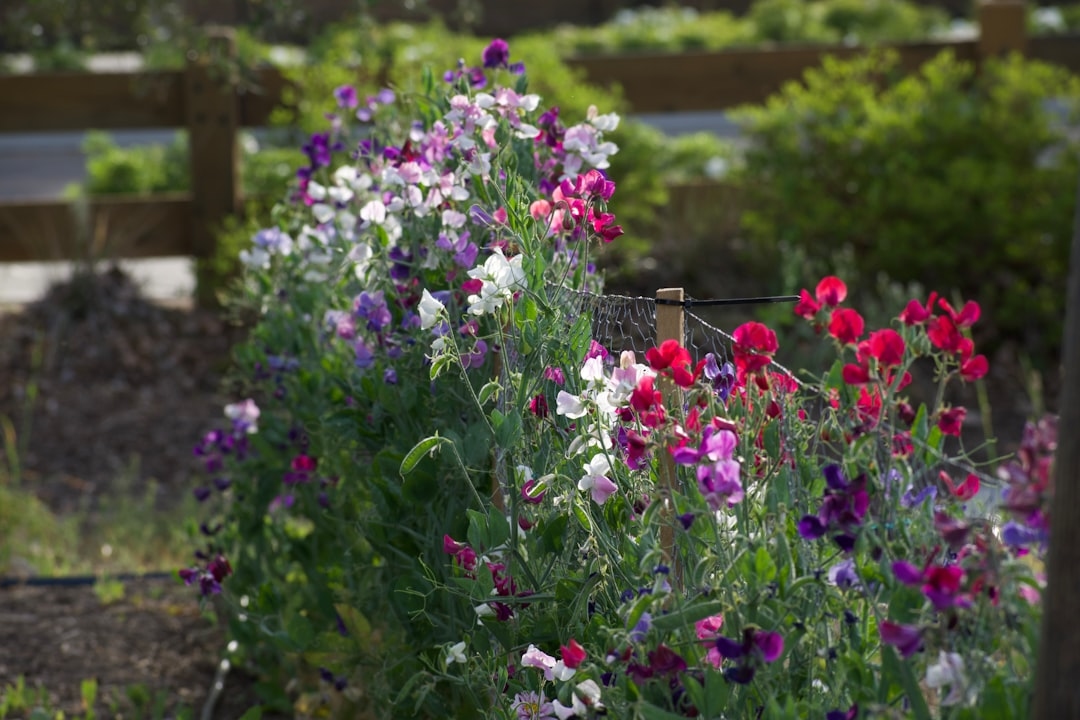
Sweet peas (Lathyrus odoratus) have been cultivated in British and American gardens since the 17th century, when Sicilian monk Father Franciscus Cupani sent seeds to England in 1699. That original species was small-flowered and intensely fragrant — almost nothing like the large-bloomed modern hybrids you find at garden centers today.
That trade-off matters. Plant breeders spent the 20th century developing bigger, showier blooms, and in doing so, they bred out much of the scent. The ruffled Spencer types that dominate floral competitions are undeniably beautiful, but if fragrance is your priority, you need to seek out heirloom or “old-fashioned” varieties. More on that below.
What makes Lathyrus odoratus genuinely unique among annual climbers is its cool-season preference. Unlike most flowering annuals that thrive in summer heat, sweet peas perform best when temperatures stay between 50°F and 65°F. They sulk above 75°F and will stop flowering entirely when heat sets in. That biological quirk dictates almost every growing decision you’ll make.
Choosing the Right Sweet Pea Varieties
Heirloom vs. Modern Hybrids
The variety decision is where most gardeners quietly go wrong. Garden centers stock what sells visually, which means you’ll mostly find modern Spencer hybrids with 4–5 inch blooms in mixed color packs. These are beautiful cut flowers, but if you’re growing sweet peas for their legendary fragrance, look past the display rack.
Heirloom varieties to seek out include ‘Cupani’ (the original bicolor, deep maroon and violet, powerfully scented), ‘Matucana’ (nearly identical to Cupani with slightly more ruffled petals), and ‘Black Knight’ (deep burgundy with a heady, warm fragrance). For a fragrant modern variety that doesn’t sacrifice scent, ‘Painted Lady’ — a pink-and-white bicolor — has been grown in American gardens since the 1730s and remains one of the most reliable performers in USDA Zones 3–9.
Sweet Peas vs. Perennial Peas: Know the Difference
A common point of confusion: Lathyrus odoratus (sweet pea) is an annual, while Lathyrus latifolius (perennial or everlasting pea) is a hardy perennial that returns each year. The perennial pea has larger, coarser leaves and produces magenta or white flowers with no fragrance at all. It’s a useful, tough climber, but it’s not what you want if scent is the goal. Check the Latin name when ordering online — the mix-up is especially common in seed swaps.
Serious sweet pea growers sow two separate batches: one in October or November (overwintered in a cold frame or cool garage) and a second in late January. The autumn-sown plants develop deeper root systems and typically flower 3–4 weeks earlier in spring. By staggering sow dates, you extend your cutting season from May through July instead of getting a single flush in June.
The Sweet Pea Growing Guide: From Seed to First Bloom
When to Sow Sweet Peas
Timing is the single biggest variable in sweet pea success. In USDA Zones 6–9, sow seeds directly into the garden in October or November for spring flowering. In Zones 3–5, sow indoors in late January or early February, 10–12 weeks before your last frost date, and transplant out in early April when the soil reaches at least 45°F.
Don’t be tempted to start seeds too early indoors. Sweet peas grown in warm conditions quickly become root-bound and stressed. Eight to ten weeks is the maximum indoor growing window before quality declines.
Seed Preparation: The Step Most Gardeners Skip
Sweet pea seeds have a hard coat that slows germination. Soaking seeds in water for 12–24 hours before sowing speeds germination from the typical 10–14 days down to 7–10 days. Some growers nick the seed coat opposite the “eye” (the dark scar where the seed attaches to the pod) with a nail file — this is called scarification and is especially useful for dark-coated varieties like ‘Matucana’.
Germination temperature matters too. Aim for 55°F–65°F. Seeds sown in a warm 70°F+ room often germinate unevenly and produce weak seedlings.
Containers and Sowing Depth
Sweet peas develop long taproots quickly, so container depth is critical. Standard cell trays are too shallow. Use root trainers (at least 9 inches deep), individual 3-inch pots, or — the traditional English method — cardboard toilet paper tubes filled with compost. Sow two seeds per tube, 1 inch deep. If both germinate, snip the weaker seedling at soil level rather than pulling it out, which disturbs the roots.
Pinching Out for Bushy Plants
Once seedlings reach 4–6 inches tall with two sets of true leaves, pinch out the growing tip just above the second leaf pair. This single action redirects the plant’s energy into side shoots, producing 3–4 stems instead of one. Most commercial growers pinch as standard practice; most home gardeners skip this step and wonder why their plants produce only a few weak stems.
“The pinching step is non-negotiable if you want a cutting-quality plant. I tell my students: one pinch in February is worth a dozen stems in June. Sweet peas are generous — they just need a little direction early on.”
— Dr. Miriam Ashford, Horticulture Extension Specialist, University of Vermont Cooperative Extension
Planting Out and Support Structures
Hardening Off and Transplanting
Harden off indoor-grown seedlings over 7–10 days before transplanting. Start by placing them in a sheltered outdoor spot for 2–3 hours on day one, gradually increasing exposure. Transplant on a cloudy day or in the evening to minimize transplant shock. Space plants 6–9 inches apart at the base of their support structure.
Sweet peas are frost-tolerant once hardened — established plants can handle temperatures down to 25°F without damage, which is one reason early planting pays off.
Building a Support That Works
Sweet peas climb via tendrils and can reach 6–8 feet tall in good conditions. They need a support structure with thin, graspable elements — they can’t wrap around thick posts or smooth bamboo canes without help. Good options include:
- Twiggy pea brush: The traditional method. Push branchy twigs (hazel or birch work best) into the soil at planting time. Tendrils grab immediately and plants establish with almost no intervention. This is the highest-performing low-cost option.
- Nylon netting with 4–6 inch mesh: Stretched between two T-posts, this creates an easy wall of support and makes harvesting fast. Use at least 6-foot-tall netting.
- Bamboo wigwam: Visually appealing for border plantings. Use 8-foot canes and tie jute twine horizontally at 6-inch intervals to give tendrils something to grab.
Position your structure on the north or east side of a fence or wall wherever possible. Sweet peas growing against a south-facing wall in the US South or Midwest often overheat in late May, collapsing weeks before their potential peak.
Soil, Feeding, and Watering
Soil Preparation
Sweet peas are heavy feeders with deep roots. Before planting, work a 3–4 inch layer of well-rotted compost or aged manure into the soil to a depth of 12 inches. Target a soil pH of 7.0–7.5 — slightly alkaline. If your soil tests below 6.5, add garden lime at 5 lbs per 100 square feet several weeks before planting.
In the Pacific Northwest and parts of the Southeast where soils are naturally acidic, this pH adjustment step is often the difference between struggling plants and vigorous ones.
Fertilizing Through the Season
For the first 6 weeks after transplanting, use a balanced fertilizer (10-10-10) at half strength every two weeks to encourage root and stem development. Once flower buds appear — typically late April through May depending on zone — switch to a high-potassium feed like a tomato fertilizer (typical NPK around 4-5-8). Potassium drives flower production and intensifies fragrance. Continue feeding every 10–14 days through peak flowering.
Avoid high-nitrogen fertilizers once plants are established. Excess nitrogen produces lush, dark-green foliage and almost no flowers.
Watering Deeply and Consistently
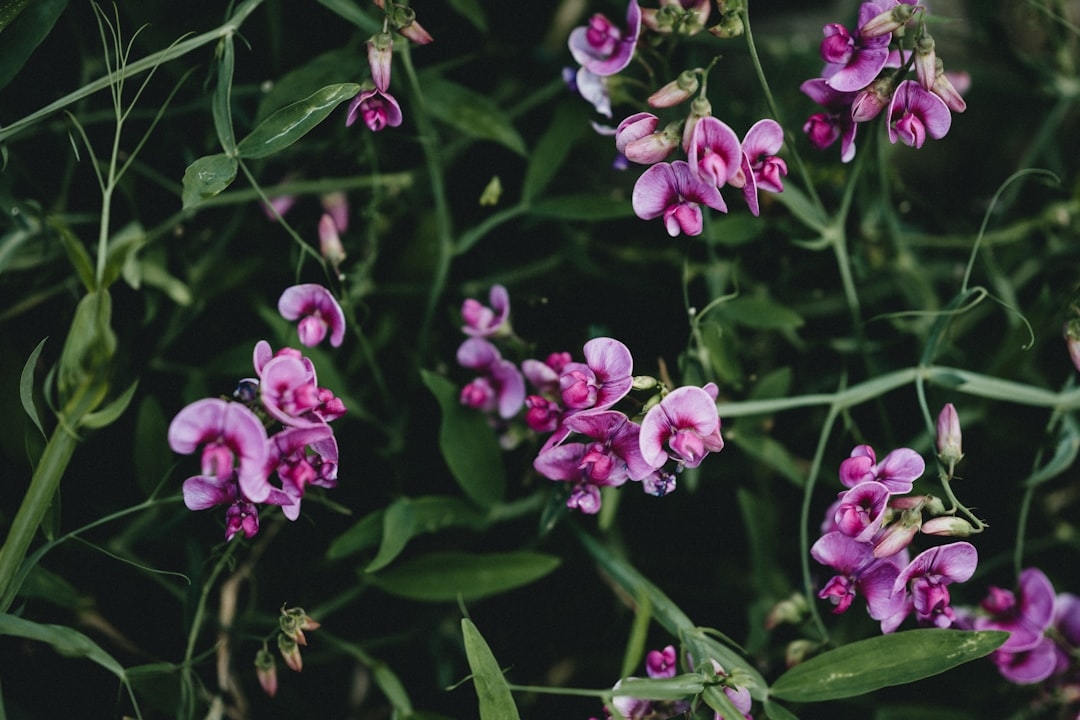
Sweet peas need consistent moisture — about 1 inch of water per week — but they’re highly sensitive to waterlogged soil. Their roots will rot quickly in poorly drained ground. A simple test: dig 6 inches down 30 minutes after watering. The soil should be moist but not muddy.
Mulching with 2–3 inches of straw or shredded bark around the base of plants does double duty: it retains soil moisture and keeps roots cool during warm spells, extending the flowering window by 2–3 weeks in Zones 6 and above.
Maximizing Fragrance and Flower Production
The Cut-and-Come-Again Principle
Sweet peas are one of the clearest examples of a “the more you pick, the more you get” flower. Each stem you cut signals the plant to produce more. Leave spent flowers to set seed pods, and the plant interprets its reproductive mission as complete — flowering stops within days.
During peak season, cut every stem that’s ready, every single day if possible. Harvest in the morning when stems are fully hydrated, and cut long — right down to the base of the stem where it emerges from the main shoot. This encourages the longest possible replacement stems.
Deadheading When You’re Not Cutting for Vases
If you’re growing sweet peas as ornamentals rather than cut flowers, deadhead religiously — remove every fading bloom before it can form a seed pod. This one task, done three times a week, can extend a planting’s flowering season from 4 weeks to 8–10 weeks.
Vase Life Tips
Fresh-cut sweet peas typically last 5–7 days in a vase. To maximize vase life: cut stems at an angle in the early morning, place immediately in cool water, remove any foliage below the waterline, and keep the vase out of direct sunlight and away from ethylene-producing fruit (apples and bananas off-gas ethylene, which accelerates petal drop). Change the water every two days.
Common Problems and How to Fix Them
No Flowers or Leggy Plants
The two most common causes: sowing too late (warm temperatures trigger vegetative growth instead of flowering) and skipping the pinch. If your plants are 3 feet tall with no buds by late May in Zone 6, they’ve likely been through warm nights. Improve air circulation, mulch the roots heavily, and accept a shortened season — then resolve to sow earlier next year.
Powdery Mildew
Powdery mildew is the most common disease problem with sweet peas, appearing as a white dusty coating on leaves in warm, dry conditions with poor airflow. Prevention beats treatment: space plants at least 6 inches apart, avoid overhead watering, and don’t over-fertilize with nitrogen. At the first sign of mildew, spray with a solution of 1 tablespoon baking soda per gallon of water with a few drops of liquid dish soap. Repeat every 7 days.
Aphids
Black bean aphids (Aphis fabae) and green peach aphids are the primary insect pests. They cluster on new growth and flower buds. A strong jet of water dislodges most colonies without chemicals. For persistent infestations, insecticidal soap spray (2 tablespoons per gallon of water) applied in the early morning is effective and doesn’t harm pollinators once dry.
Failure to Germinate
If seeds fail to sprout within 3 weeks, the most likely culprits are: soil temperature below 50°F, seeds sown too deep (over 1.5 inches), or old seed with low viability. Sweet pea seeds remain viable for 2–3 years if stored in a cool, dry place. Test older seeds by placing 10 seeds on a damp paper towel in a warm spot — if fewer than 6 germinate in 2 weeks, buy fresh seed.
Saving Seed for Next Year
One of the most satisfying aspects of growing heirloom sweet peas is seed saving. Allow 3–4 of your best plants to set seed pods at the end of the season. The pods will turn papery brown and begin to twist — harvest them just before they fully split open. Shell the seeds, dry them on a paper towel for 2 weeks, and store in a paper envelope inside an airtight jar in a cool, dark location. Label with variety name and harvest date.
Note: seeds saved from hybrid varieties won’t grow true to type. Only save seeds from open-pollinated or heirloom varieties for reliable results.
Sweet Peas as Cut Flowers: Growing for the Vase
Sweet peas are among the most requested cottage-style wedding flowers in the US, and professional flower farmers in the Pacific Northwest and Northeast grow them specifically as a premium cut crop. At farmers markets and specialty florists, bunches of 10 stems retail for $8–$15 depending on the market and season.
For cut flower production, plant in long rows with twine-and-post cordon systems rather than wigwams. The cordon method — training a single stem up a vertical string and removing all side shoots below 18 inches — produces longer, straighter stems ideal for bouquets. Most hobby growers won’t need this level of precision, but if you’re growing for events or selling at market, it’s worth learning.
Frequently Asked Questions
When should I plant sweet pea seeds?
In USDA Zones 6–9, sow directly outdoors in October or November for spring blooms. In Zones 3–5, start seeds indoors in late January or early February, 10–12 weeks before the last frost date, and transplant outside in early April when soil temperatures reach at least 45°F.
Why do my sweet peas have no scent?
Most modern hybrid sweet peas, especially large-flowered Spencer types, have been bred for size and color at the expense of fragrance. For maximum scent, choose heirloom varieties such as ‘Cupani’, ‘Matucana’, or ‘Painted Lady’. Heat stress also mutes fragrance — cool mornings in the 55°F–65°F range produce the strongest scent.
How do I get sweet peas to flower longer?
Pick or deadhead every flower before it sets seed — this is the single most effective technique. Mulching roots to keep soil cool, switching to a high-potassium fertilizer when buds appear, and avoiding south-facing walls in warm climates will also extend the flowering season by several weeks.
Can sweet peas grow in containers?
Yes, but container choice is critical. Use a container at least 12 inches deep and 12 inches wide per 2–3 plants. Sweet peas in pots dry out quickly and need watering daily in warm weather. They also need the same support structure as in-ground plants. Choose compact varieties like ‘Bijou’ or ‘Patio Mixed’ for container growing — standard climbing types will struggle without significant vertical space.
Are sweet peas toxic to pets?
Yes. All parts of Lathyrus odoratus are toxic to dogs, cats, and horses if ingested in quantity. The seeds contain lathyrogens, which can cause neurological symptoms. Keep pets away from plants and collected seed pods. This is also why sweet peas should never be confused with edible garden peas (Pisum sativum).
Planning Next Season Before This One Ends
The best time to order sweet pea seeds is in August and September — before specialty suppliers sell out of the most sought-after heirloom varieties. Favorites like ‘Cupani Original’ and ‘Painted Lady’ from trusted US suppliers like Renee’s Garden, Baker Creek Heirloom Seeds, and Select Seeds often go out of stock by November.
While you’re still harvesting this season’s blooms, take notes: which varieties produced the most stems, which colors faded fastest in the vase, which plants showed mildew first. Those observations, written on a card tucked into next year’s seed packet, are worth more than any growing guide. Sweet peas reward attention — and every season teaches you something the last one didn’t.