Contents:
- What Are Marigolds? A Quick Background
- Top Marigold Varieties to Grow
- African Marigolds (Tagetes erecta)
- French Marigolds (Tagetes patula)
- Signet Marigolds (Tagetes tenuifolia)
- Triploid Marigolds (Tagetes hybrids)
- Marigold Growing Guide: Planting from Seed vs. Transplants
- Starting Seeds Indoors
- Direct Sowing Outdoors
- Budget Breakdown: Seed Starting vs. Buying Transplants
- Seasonal Timeline: When to Plant Marigolds
- Late Winter (February–March)
- Early Spring (March–April)
- Late Spring (May)
- Summer (June–August)
- Fall (September–October)
- Soil, Sun, and Water Requirements
- Sunlight
- Soil
- Watering
- Fertilizing Marigolds Without Overdoing It
- Common Pest and Disease Problems
- Aphids
- Spider Mites
- Powdery Mildew
- Botrytis (Gray Mold)
- Marigolds as Companion Plants: What the Research Actually Shows
- Edible and Medicinal Uses of Marigolds
- Saving Marigold Seeds: A Free Garden Strategy
- A Reader Story: Getting More Than Expected
- Marigolds for Cutting Gardens and Arrangements
- Growing Marigolds in Containers
- Practical Tips for Better Marigold Results
- Frequently Asked Questions
- How long do marigolds take to bloom from seed?
- Do marigolds come back every year?
- Why are my marigolds not blooming?
- Are marigolds safe for pets?
- Can I grow marigolds indoors?
- Where to Go From Here
You buy a six-pack of marigolds from the garden center for $3.99, tuck them into a bare patch of soil near the tomatoes, and forget about them for a week. Then one morning you walk outside and the whole bed is glowing orange and gold. That’s the marigold experience — low effort, high payoff, and a little bit of magic every time.
Marigolds are one of the most forgiving, productive, and versatile flowers you can grow. They repel pests, attract pollinators, brighten up containers, and cost almost nothing to start from seed. Yet plenty of gardeners treat them as an afterthought. This marigold growing guide changes that. Whether you’re filling a window box or planting a full cutting garden, you’ll find everything you need here to grow marigolds that perform all season long.
What Are Marigolds? A Quick Background
Marigolds belong to the genus Tagetes, a member of the daisy family (Asteraceae). They’re native to Mexico and Central America, which explains their love of heat and their tolerance for dry spells. Spanish conquistadors brought them to Europe in the 16th century, and from there they spread to Africa, India, and beyond. Today, marigolds are among the top five most widely grown annual flowers in the United States.
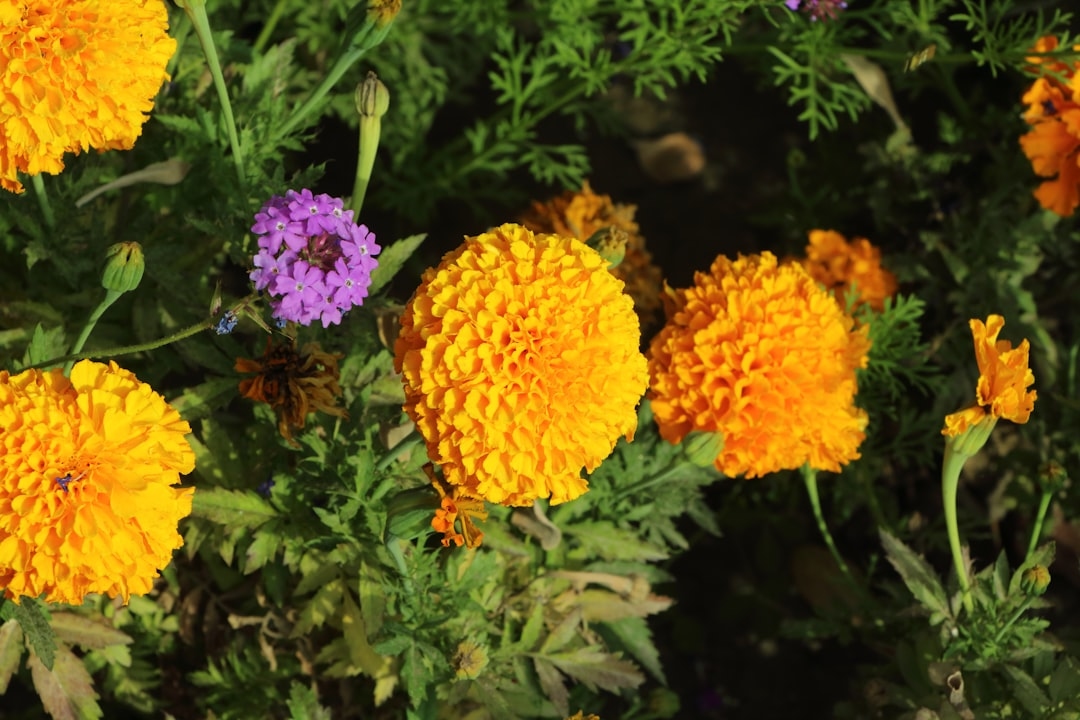
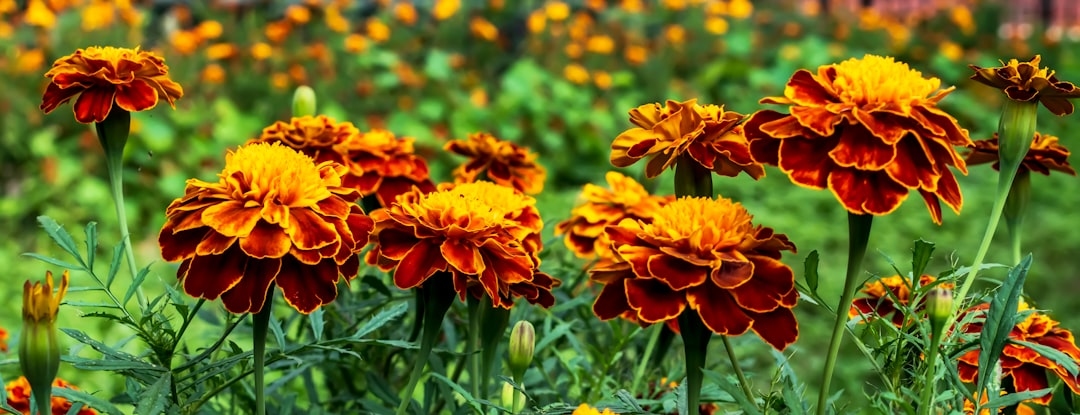
There are roughly 50 species in the genus, but American gardeners work with a handful of them regularly. The flowers range from half-inch singles to four-inch pom-pom doubles, and colors run the full spectrum from pale lemon yellow through burnt orange to deep mahogany. Some varieties even come in creamy white, which was considered impossible to breed until Tagetes erecta ‘Kilimanjaro White’ was introduced in the 1970s after decades of effort.
Marigolds are true annuals in most of the US — they complete their life cycle in one season. In USDA Hardiness Zones 9–11, they can overwinter and behave as short-lived perennials, but most growers treat them fresh each year regardless of zone.
Top Marigold Varieties to Grow
Choosing the right variety makes a big difference. Here are the four main types you’ll encounter, plus specific cultivars worth growing.
African Marigolds (Tagetes erecta)
These are the big ones — tall plants reaching 18 to 36 inches with fully double flowers up to 4 inches across. They’re showstoppers in the back of a border and excellent for cutting. They’re also slower to establish, so they benefit from an early indoor start.
- ‘Crackerjack Mix’ – A classic, reaching 24–36 inches. Mixed orange, yellow, and gold. One of the best bang-for-your-buck choices at around $2.50 per seed packet for 50+ seeds.
- ‘Kilimanjaro White’ – Creamy white blooms on 18-inch plants. Surprisingly elegant for a marigold.
- ‘Sunset Giants’ – Deep orange, 3–4 inch flowers. Excellent for fresh arrangements and tolerates heat exceptionally well.
French Marigolds (Tagetes patula)
Compact and bushy, French marigolds top out at 6 to 12 inches and bloom prolifically all season. They’re the workhorses of container gardening and edging. They also deadhead more forgivingly than their African cousins — skip a week and they still keep blooming.
- ‘Bonanza Series’ – 8-inch mounds, bicolor blooms in red-gold and orange-gold. A top seller for container use.
- ‘Durango Series’ – Slightly taller at 10–12 inches, with larger flowers. Better for cutting than most French types.
- ‘Mr. Majestic’ – Striped petals in red and gold. Unusual and eye-catching, especially in mixed plantings.
Signet Marigolds (Tagetes tenuifolia)
The most underrated type. Signet marigolds have fine, ferny foliage and masses of small, single flowers. The whole plant is edible — flowers and leaves both — and carries a distinct citrus-tarragon scent. Plants stay tidy at 8–10 inches and need almost no maintenance.
- ‘Lemon Gem’ – Bright yellow flowers, intense lemon scent. Excellent for herb gardens and salads.
- ‘Tangerine Gem’ – Orange version with the same citrusy fragrance. A favorite for edible borders.
Triploid Marigolds (Tagetes hybrids)
These are sterile hybrids between African and French types. Because they can’t set seed, they put all their energy into blooming — which means near-constant flowers with almost no deadheading required. They’re typically more expensive as transplants ($4–6 per cell pack vs. $2–3 for French types) but earn their keep over a long season.
- ‘Zenith Series’ – 14–16 inches tall, 2.5-inch blooms. One of the most heat-tolerant options available.
Marigold Growing Guide: Planting from Seed vs. Transplants
Seeds are almost always the better financial choice. A packet of marigold seeds costs $1.50–$3.50 and contains anywhere from 30 to 100+ seeds. A six-pack of transplants from the nursery runs $3.99–$6.99 and gives you just six plants. For a 10-foot border, seeds win every time.
Starting Seeds Indoors
African marigolds need 6–8 weeks of indoor lead time before your last frost date. French and signet types are faster — 4–6 weeks is plenty. Use a basic seed-starting mix (a 32-cell tray and a bag of mix cost about $8–12 total). Sow seeds ¼ inch deep, keep the soil at 70–75°F, and expect germination in 4–7 days. That fast germination rate is one of marigolds’ best features — you get near-instant feedback that your seeds are viable.
Once seedlings have two sets of true leaves, thin to one plant per cell or pot up to 3-inch containers. Harden off over 7–10 days before transplanting outdoors.
Direct Sowing Outdoors
French and signet marigolds direct-sow beautifully. Wait until soil temperature reaches at least 65°F — a $10 soil thermometer pays for itself quickly. Sow seeds ¼ inch deep, 6 inches apart, and thin to final spacing once seedlings are 2 inches tall. Direct-sown plants often catch up to transplants within three weeks.
Budget Breakdown: Seed Starting vs. Buying Transplants
- Seed starting (20 plants): $3 packet + $10 tray/mix = $13 total, or about $0.65 per plant
- Buying transplants (20 plants): ~4 six-packs at $4.99 each = $19.96 total, or about $1.00 per plant
- Savings from seed: ~35% less, and you’ll likely have seeds left over for next year
Seasonal Timeline: When to Plant Marigolds
Timing varies by region, but here’s a practical calendar framework for most of the continental US.
Late Winter (February–March)
Start African marigold seeds indoors 8 weeks before your average last frost. In Zone 6 (last frost mid-April), that means starting seeds in late February. Use a heat mat to maintain soil temperature and speed germination.
Early Spring (March–April)
Start French and signet types indoors 4–6 weeks before last frost. Begin hardening off transplants when overnight temperatures consistently stay above 45°F. Cold snaps below 32°F will damage young transplants, so watch the forecast.
Late Spring (May)
Transplant outdoors after last frost. For most of Zone 5–7, this means mid-to-late May. Direct sow French and signet types as soon as soil warms to 65°F. This is peak planting season for most American gardeners.
Summer (June–August)
Marigolds hit their stride in the heat. Deadhead regularly to keep blooms coming. In very hot climates (Zone 8–10), African marigolds may pause blooming during peak heat in July and August — they’ll resume when temperatures drop below 90°F. French and signet types tend to be more tolerant of heat stress.
Fall (September–October)
A second flush of blooming often kicks in as temperatures cool. This is also seed-saving season — let a few flowers dry completely on the plant before collecting seeds for next year. Marigolds bloom until the first hard frost, making them one of the last flowers standing in most American gardens.
Soil, Sun, and Water Requirements
Marigolds are not fussy, but giving them the right conditions early means less intervention later.
Sunlight
Full sun is non-negotiable — aim for at least 6 hours of direct sunlight per day. Plants in partial shade will grow leggy, produce fewer flowers, and become more susceptible to powdery mildew. In hot climates, afternoon shade can help prevent stress, but morning sun is essential.
Soil
Marigolds prefer well-draining soil with a pH between 6.0 and 7.0. They tolerate poor soil better than most annuals — in fact, overly rich soil encourages lush foliage at the expense of flowers. If you’re amending beds, add compost rather than synthetic fertilizer. One cubic foot of compost per 10 square feet of bed is usually plenty.
Watering
Water deeply once or twice a week rather than shallow daily watering. Marigolds have moderate drought tolerance but will drop buds if stressed severely. Aim for about 1 inch of water per week total (rainfall + supplemental). Avoid overhead watering if possible — wet foliage invites fungal problems. Drip irrigation or soaker hoses work well for marigold beds.
Fertilizing Marigolds Without Overdoing It
Less is more. Heavy feeding produces big plants with few flowers. If you’ve amended your soil with compost at planting, you may not need to fertilize at all through the season.
For containers, which have limited nutrients, apply a balanced liquid fertilizer (10-10-10 or similar) at half strength every 3–4 weeks. A 32-oz bottle of liquid fertilizer costs about $8–12 and will last all season for most home gardeners. Avoid high-nitrogen formulas — nitrogen pushes leaf growth, not blooms.
Signs of overfertilization: lush, dark green foliage with almost no flowers. If this happens, stop fertilizing and give the plant time to redirect its energy.
Common Pest and Disease Problems
Marigolds have a reputation as pest deterrents, and it’s earned — but they’re not immune to problems themselves.
Aphids
Aphids cluster on new growth and flower buds. A strong stream of water knocks them off effectively, and they rarely recover in large numbers after a good hosing. For persistent infestations, insecticidal soap spray (about $6 per bottle) works without harming beneficial insects when used correctly.
Spider Mites
These show up during hot, dry spells, causing stippled, pale foliage. Increase humidity around plants and apply neem oil (diluted to 2% solution) as both a treatment and preventive. Watch for fine webbing on the undersides of leaves — that’s your early warning sign.
Powdery Mildew
A white powdery coating on leaves, most common in humid conditions with poor air circulation. Space plants properly — French marigolds need at least 8–10 inches between them; African types need 12–18 inches. Once powdery mildew takes hold, remove affected leaves and improve airflow. A baking soda spray (1 tablespoon per gallon of water) can slow its spread.
Botrytis (Gray Mold)
Gray fuzzy mold on petals and stems, especially in cool, wet weather. Remove affected plant parts immediately and avoid overhead watering. Good spacing prevents most cases.
Marigolds as Companion Plants: What the Research Actually Shows
The claim that marigolds repel pests has been repeated so often that it’s easy to assume it’s folklore. The reality is more nuanced — and more interesting.
French marigolds (Tagetes patula) produce a compound called alpha-terthienyl in their roots. Research published in agricultural journals has confirmed that this compound is toxic to root-knot nematodes (Meloidogyne spp.) — microscopic soil pests that damage tomato, pepper, and carrot roots. The catch: for genuine nematode control, you need to grow marigolds as a cover crop for a full season, then till them in. A border planting helps but doesn’t eliminate nematodes the way a dense cover crop does.
Above ground, marigolds attract aphid predators — ladybugs, lacewings, and hoverflies all visit marigold flowers. They also draw spider mites away from vegetable plants, acting as a trap crop. Slugs, on the other hand, are attracted to marigolds, so watch out if slugs are a problem in your garden.
Best companion planting pairings:
- Tomatoes: Plant French marigolds every 2–3 feet along tomato rows
- Peppers: Interplant at the edge of pepper beds to attract beneficial insects
- Squash: Use as a trap crop for squash bugs — check marigolds regularly and remove bugs by hand
- Roses: Plant at the base to deter aphids from migrating upward
Edible and Medicinal Uses of Marigolds
Signet marigolds are fully edible, and their flowers add a citrusy, slightly spicy note to salads, grain bowls, and herb butters. The petals of Tagetes erecta are also edible but have a stronger, more resinous flavor that some people find bitter. Use them in smaller amounts as a garnish.
In traditional Mexican and Central American cooking, marigold leaves and flowers are used to season tamales and stews — a culinary tradition that predates European contact. The dried petals of African marigolds are also used commercially as a natural yellow food dye and as a component in poultry feed to produce richer-colored egg yolks.
Calendula (Calendula officinalis), sometimes called “pot marigold,” is a different plant entirely — it’s the one used medicinally in skin creams and salves. True Tagetes marigolds are not the same as calendula, though they’re frequently confused.
Saving Marigold Seeds: A Free Garden Strategy
Open-pollinated varieties (not F1 hybrids) come true from seed, which means you can collect seeds and grow nearly identical plants next year. This is one of the best budget gardening strategies available.
Here’s how to save seeds properly:
- Let flowers dry completely on the plant — petals should be brown and papery, not just faded.
- Pull the dried flower head from the stem and hold it over a paper bag.
- Pull apart the base of the flower head — this is where the seeds are attached. Each seed is a thin, dark sliver with a lighter tip.
- Spread seeds on a paper towel and let them dry for one more week in a warm, airy spot.
- Store in a labeled paper envelope in a cool, dry location. Viability stays high for 2–3 years.
Note: Triploid hybrids are sterile and won’t produce viable seeds. F1 hybrid seeds will germinate but may not match the parent plant. Stick to heirloom or open-pollinated varieties for reliable seed saving — look for ‘Crackerjack’, ‘Lemon Gem’, or ‘Tangerine Gem’ specifically.
A Reader Story: Getting More Than Expected
A gardener in central Ohio shared a story that captures what marigolds can do when you stop underestimating them. She’d been growing vegetables for years but always avoided flowers — too fussy, too expensive to maintain. Her neighbor convinced her to scatter a packet of ‘Lemon Gem’ signet marigold seeds along the edge of her raised beds one May. She watered them twice, then mostly ignored them.
By July, the border was a solid ribbon of gold and the tomatoes behind it were showing less aphid damage than in previous years. She started cutting stems for small kitchen arrangements. She noticed hoverflies — natural aphid predators — visiting constantly. By September, she’d collected a full envelope of seeds for next year. Total investment: $2.49 for the seed packet. Total time spent: maybe 20 minutes all season.
That’s not a miracle — that’s just what marigolds do when you give them sun and decent soil.
Marigolds for Cutting Gardens and Arrangements
African marigolds are underused as cut flowers. Their stems are sturdy, their vase life runs 7–10 days in clean water, and the large double blooms hold up well. The trick is to cut stems in the morning when flowers are fully open but still cool, strip the lower leaves (which cause water contamination), and place them immediately in water.
The scent can be polarizing — the foliage especially has a strong, resinous smell. If scent is a concern, keep cut marigolds in a well-ventilated room and change the water every two days.
For market growers: African marigolds at U-pick farms and farmers markets typically sell for $3–5 per bunch of 10 stems. They’re profitable precisely because seed and production costs are so low.
Growing Marigolds in Containers
French and signet marigolds excel in containers. A 12-inch pot holds three to four French marigold plants comfortably. Use a quality potting mix with good drainage — not garden soil, which compacts in containers and causes root problems.
Container plants need more frequent watering than in-ground plants, especially during summer heat. Check soil moisture daily by pushing a finger 2 inches into the mix — if it’s dry at that depth, water thoroughly until it drains from the bottom.
Window box configuration that works well: alternate ‘Bonanza’ French marigolds with sweet alyssum and trailing lobelia. The marigolds provide bold color, the alyssum adds fragrance, and the lobelia softens the edges. Total cost for a 24-inch window box: $10–15 in plants plus $8–10 in potting mix.
Practical Tips for Better Marigold Results
- Deadhead consistently. Remove spent flowers before seed heads form. This redirects the plant’s energy from seed production to flower production. Do it every 5–7 days during peak season.
- Pinch young plants. When transplants are 4–6 inches tall, pinch out the central growing tip to encourage branching. You’ll get a bushier plant with 30–50% more flowers.
- Mulch the base. A 2-inch layer of straw or shredded leaves keeps soil moisture consistent and reduces fungal splash-back. Don’t mulch right against the stem — leave a 2-inch gap.
- Don’t crowd them. Check the seed packet spacing recommendation and stick to it. Crowded marigolds get powdery mildew and produce fewer flowers per plant.
- Water at the base. Overhead watering is the leading cause of foliar disease in marigolds. Use a watering can, drip line, or soaker hose whenever possible.
Frequently Asked Questions
How long do marigolds take to bloom from seed?
French and signet marigolds bloom in 45–55 days from seed. African marigolds take longer — typically 65–80 days from seed to first bloom. Starting African types indoors 6–8 weeks before your last frost date ensures you’ll see flowers by early to mid-summer.
Do marigolds come back every year?
In most of the US, marigolds are true annuals — they complete their life cycle in one season and die with the first hard frost. In USDA Zones 9–11, they may survive mild winters and regrow, but most gardeners replant each spring regardless. Saving seeds at the end of the season is the most practical way to carry marigolds forward year to year.
Why are my marigolds not blooming?
The three most common causes are insufficient sunlight (less than 6 hours per day), overfertilization with nitrogen, and not deadheading spent blooms. Check each factor before assuming disease or pest problems. Marigolds in full sun with moderate soil fertility should bloom continuously from planting through frost.
Are marigolds safe for pets?
True Tagetes marigolds are considered mildly toxic to cats and dogs by the ASPCA. Ingestion can cause mild gastrointestinal upset — vomiting or drooling — and skin irritation from contact with the foliage. They’re not considered severely toxic, but keep curious pets away from marigold beds as a precaution.
Can I grow marigolds indoors?
Marigolds need very high light levels — at least 6 hours of direct sun or equivalent grow light intensity (5,000+ lux). A south-facing window in winter typically doesn’t provide enough light for strong growth. Under a full-spectrum grow light placed 6 inches above the plants and running 14–16 hours per day, compact French and signet types can grow and bloom indoors successfully.
Where to Go From Here
Marigolds reward action more than planning. Buy a packet of seeds this week — ‘Lemon Gem’ if you want something edible and unusual, ‘Crackerjack Mix’ if you want big impressive blooms for cutting, ‘Bonanza Series’ if containers are your thing. Sow them, give them sun and decent drainage, deadhead when you remember, and let them do what they’ve been bred to do for five centuries.
Once you see how little these flowers ask for and how much they give back, they stop being an afterthought and start becoming a staple. Most experienced gardeners arrive at the same conclusion eventually: marigolds belong in every garden, every year, no exceptions.